






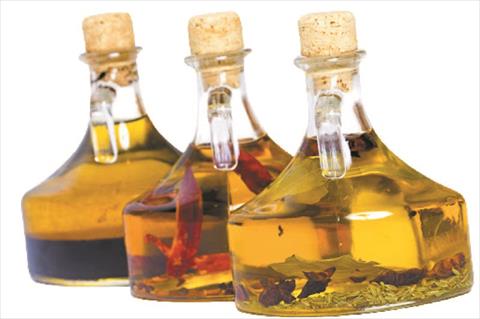
Engineer Tarek Abu Bakr, Deputy of the Export Council for Agricultural Crops, stated that the selection of Beni Suef Governorate to host the fourth edition of the Medicinal and Aromatic Plants Festival, scheduled for October 18-19, was due to it being the largest governorate producing and manufacturing essential oils in Egypt. He pointed out that the main governorates producing medicinal and aromatic plants include Fayoum, Beni Suef, Minya, and Assiut.
During a phone interview on the Al-Gad’an program on Al Mehwar channel, he explained that Beni Suef houses the largest factories for extraction and distillation of oils, especially geranium oil, producing about 95% of Egyptian essential oils and 60% of global production alone.
He emphasized the need to support farmers to increase the productivity per feddan of essential oil from 20 to 35 kilograms, stressing the importance of keeping distillation and extraction factories close to cultivation areas to ensure quality and reduce costs.
He added that there is a plan to link farmers, producers, and international importers through establishing a steam sterilization unit for medicinal and aromatic plants as part of a national project covering 147 feddans in Beni Suef Governorate. This includes sterilization units and training for farmers on the requirements of foreign markets, in addition to introducing modern agricultural mechanization in cooperation with the governorate.
He pointed out that the festival aims to identify the challenges facing the medicinal and aromatic plants sector, noting that the previous edition resulted in providing bank financing for the sector within the 5% initiative to support small projects.
He explained that the new project’s funding will be provided by the Ministry of Local Development for the benefit of Beni Suef Governorate, while the usufruct rights will belong to the Export Council for Agricultural Crops.
He revealed the establishment of a technical applied technological school for aromatic plants supported by a German grant, accommodating 500 students, with studies starting next year with only 50 students, alongside a Canadian project to bring in foreign experts for teaching.
He also mentioned the approval to establish a branch of the Central Laboratory for Pesticide Residue and Heavy Elements Analysis in Food in Beni Suef, with investments exceeding 500 million Egyptian pounds, to facilitate export procedures for companies.
Abu Bakr confirmed that exports of medicinal and aromatic plants increased by 11% last year to reach about 385 million dollars, expecting them to double to reach one billion dollars within the next five years, especially amid rising global demand due to geopolitical tensions.

Recommended for you
Al-Jaghbeer: The Industrial Sector Leads Economic Growth
Alternative to UNIFIL Forces
Egypt Post: We Have Over 10 Million Customers in Savings Accounts and Offer Daily, Monthly, and Annual Returns
Talib Al-Rifai Chronicles Kuwaiti Art Heritage in "Doukhi.. Tasaseem Al-Saba"
Exhibition City Completes About 80% of Preparations for the Damascus International Fair Launch
Trump Advisor: Disarming Hamas is Central.. Palestinian Authority to Take Over Gaza After Required Reforms