









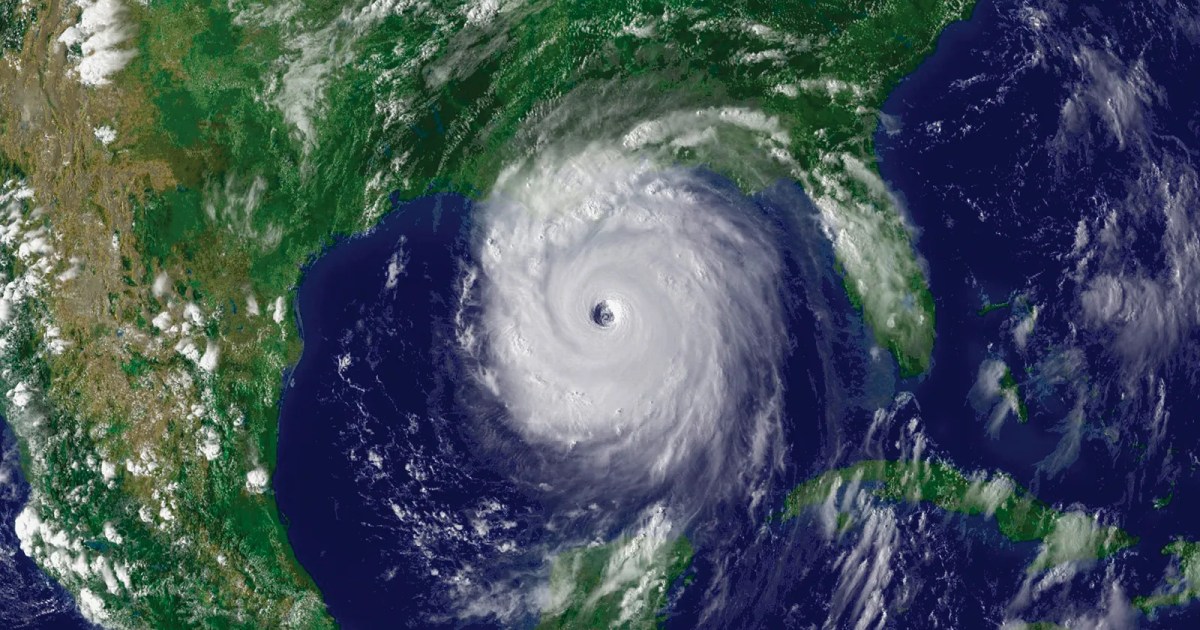
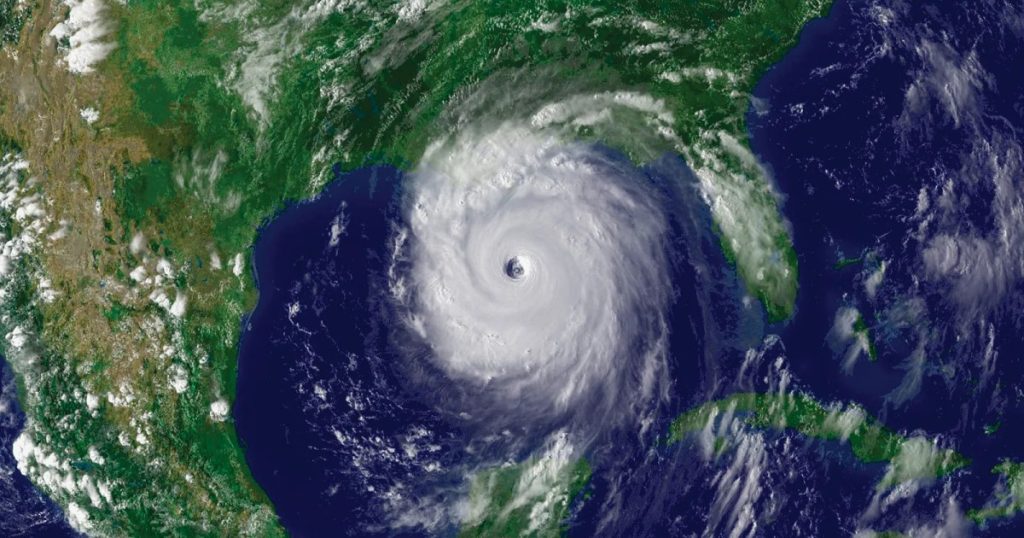
Tropical cyclones are the costliest weather phenomena worldwide, especially in vulnerable regions such as the Caribbean, Southeast Asia, and the southern United States. Scientists indicate that climate change has made them more frequent and deadlier in recent years.
Hurricane Ragasaa, which struck the Philippines, southern China, Hong Kong, and Taiwan last week, caused preliminary economic losses estimated in the tens of billions of dollars, along with dozens of deaths and widespread destruction.
The most hurricane-prone areas are coastal regions around the equator, especially the western Pacific Ocean, then the Indian Ocean, and the North Atlantic Ocean, including the Caribbean Sea and the Gulf of Mexico.
The Arabian Sea, located between the Arabian Peninsula and the Indian subcontinent, also experiences tropical cyclone activity, sometimes causing floods and significant damage in countries like Oman.
The massive damage caused by hurricanes results from fierce winds, heavy rains, and flooding, which can destroy infrastructure, homes, and farms. The economic impact can be huge, with losses amounting to billions of dollars, loss of lives, and long-term recovery costs.
All of the world’s ten costliest tropical cyclones occurred in the Atlantic Ocean. Leading the list is Hurricane Katrina, which struck New Orleans and surrounding areas in 2005, killing 1,392 people.
Katrina’s material losses were estimated at about $186 billion, followed by Hurricane Harvey in 2017 with economic losses of $157 billion, and then Hurricane Maria in 2017 with damages worth $112 billion.
Between 2017 and 2023, 137 separate disasters cost the United States over one trillion dollars, with the main cause being category four or five hurricanes that hit land in five of the past seven years, including Harvey, Irma, Maria, Michael, Laura, Ida, and Ian.
2022 was the third costliest year ever for climate disasters in the United States, with total losses from 18 major climate disasters reaching about $165 billion.
Hurricane Ian, a category five storm, alone cost the US approximately $112.9 billion. Recently, consecutive hurricanes Helen (category four) and Milton (category five) in late 2024 caused economic losses of $79.6 billion and $34.3 billion respectively.
Helen was also the most dangerous hurricane in the Atlantic since Maria (2017) and the deadliest to hit the US mainland since Katrina.
In the Pacific Ocean, Typhoon Doksuri in 2023, which caused damages exceeding $28 billion mostly in China, is the strongest tropical cyclone so far. It is followed by Typhoon Hagibis in Japan in 2019, which caused $18 billion in damages, and then Typhoon Jebi in 2018, the largest typhoon in Japan in terms of insured losses.
While the final cost of Hurricane Ragasaa has not yet been determined, Typhoon Mangkhut remains the costliest in Hong Kong to date, striking the region in 2018 and causing direct economic losses of $593 million.
Studies indicate that tropical cyclones have become more volatile and destructive due to climate change. In 2024, rising ocean temperatures caused by human-induced global warming intensified all hurricanes in the Atlantic Ocean.
For example, the strength of Hurricanes Helen and Milton increased by 25 and 38 kilometers per hour respectively, which experts attribute to rising ocean and atmospheric temperatures due to global warming.
Warm oceans provide additional energy to hurricanes, making them form and intensify faster, last longer, and move more slowly over one area, causing wider destruction.
A recent study found that rising sea temperatures have made the average North Atlantic hurricane take 33 hours to weaken, compared to 17 hours about 50 years ago.
The study states that since 1975, category four and five hurricanes have increased by 25% to 30% with every degree rise in global temperatures.
Scientists predict that rising sea levels will make hurricanes and coastal storms more damaging. Studies expect sea levels to rise between 30 and 120 centimeters if greenhouse gas emissions remain moderate this century, amplifying coastal storms.
The main problem in increasing losses, experts say, is the inability to predict hurricanes, partly because these storms intensify faster with warmer ocean waters, gaining more power and rapid condensation, with wind speeds increasing by 56 kilometers per hour within 24 hours.
Rapidly intensifying storms reduce the time authorities have to activate warning systems, putting coastal communities at great risk. For example, in 2022, Hurricane Ian destroyed parts of Florida after intensifying quickly, shortening the expected rapid intensification period from two days to less than 36 hours.




Recommended for you
Al-Jaghbeer: The Industrial Sector Leads Economic Growth
Alternative to UNIFIL Forces
Egypt Post: We Have Over 10 Million Customers in Savings Accounts and Offer Daily, Monthly, and Annual Returns
Talib Al-Rifai Chronicles Kuwaiti Art Heritage in "Doukhi.. Tasaseem Al-Saba"
Exhibition City Completes About 80% of Preparations for the Damascus International Fair Launch
Trump Advisor: Disarming Hamas is Central.. Palestinian Authority to Take Over Gaza After Required Reforms