







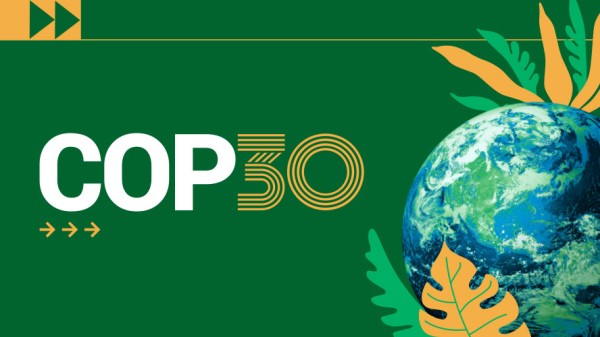
The 30th United Nations Climate Change Conference (COP 30), launching in Brazil in less than a month, faces a major challenge: uniting the world’s countries to continue combating the climate crisis despite difficulties and obstacles, foremost among them the United States’ withdrawal from the Paris Agreement.
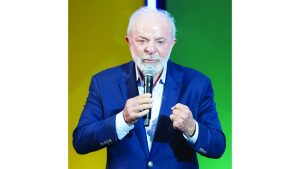
Brazilian President Luiz Inácio Lula da Silva insisted that the coastal city of Belém in the Amazon region be the venue for the UN Framework Convention on Climate Change conference from November 10 to 21, marking the most important annual milestone in negotiations on this issue.
Lula aims to gather dozens of heads of state and government, but a few days earlier (on November 6 and 7) to ease the logistical burden posed by the influx of 50,000 negotiators, activists, experts, and other participants to the city.
So far, only a few leaders have confirmed participation (Colombia, South Africa, among others), while many have delayed their decisions due to current geopolitical and economic turmoil. Prince William will represent British King Charles, while the Austrian president declined participation due to hotel prices.
During a visit to Rome on Monday, the Brazilian president announced he met Pope Leo XIV and invited him to the conference, but the pontiff will not be able to attend due to prior commitments.
This sharp rise in prices threatens the participation of NGOs and poorer countries, casting a shadow over the core of the negotiations. Countries including Gambia, Cape Verde, and even Japan told AFP they will likely reduce their delegations.
An informal ministerial meeting preceding the conference is held in Brasília on Monday and Tuesday, dedicated to a final review of the current situation.
Lula acknowledged problems in Belém earlier in October from the conference site but added, “We must show the world the reality of the Amazon.” He inspected construction progress in this city with limited infrastructure and a population of 1.4 million.
In a provocative tone, he confirmed his intention to “sleep on a boat, in a hammock.”
No “Major Headlines”
The conference takes place amid high expectations after the world experienced the two hottest years ever, with heatwaves and storms causing casualties.
However, unlike the last two sessions which resulted in notable agreements on fossil fuels and financing, Marta Torres-Ganvaus from the IDDRI research center urged “not to expect major headlines or agreements on big and bold issues.”
Brazilians noted a lack of general willingness to commit to new ambitious promises, preferring instead to prioritize implementing previously agreed solutions.
When asked about resource provision from rich to poor countries, COP 30 President André Corrêa do Lago briefly said there are “many requests, but more limited commitments.”
Victor Minotti, spokesperson for the NGO Demand Climate Justice, considered “there is a great lack of trust between rich and poor countries” and that “the last COP only deepened this distrust.”
Last year, COP 29 set a new goal for aid from developed to developing countries of $300 billion annually by 2035, far below expectations.
The Brazilian presidency will especially seek to show that countries still believe in the multilateral approach despite difficulties, including the US withdrawal from the Paris Agreement, trade wars, the rise of climate-skeptic parties, and more.
Lula, expected to run for a new presidential term next year, intends to confirm “Brazil’s return” to the international stage after hosting the G20 summit in Rio de Janeiro at the end of 2024 and the BRICS summit last July.
Trump Invited
Lula, who slowed deforestation in his country but supports oil exploration off the Amazon, promised what he called a “COP of truth.”
However, the divided European Union failed to reach an agreement on its new climate commitments for 2035 by the deadline, while China only set minimum targets. The United States is not expected to send a delegation.
Nevertheless, Lula said he tried to convince Donald Trump, telling him in a phone call, “It’s important that you come to Brazil because you will be in the heart of the Amazon, to see what this beloved Amazon looks like.”


Recommended for you
Al-Jaghbeer: The Industrial Sector Leads Economic Growth
Egypt Post: We Have Over 10 Million Customers in Savings Accounts and Offer Daily, Monthly, and Annual Returns
Alternative to UNIFIL Forces
Talib Al-Rifai Chronicles Kuwaiti Art Heritage in "Doukhi.. Tasaseem Al-Saba"
Exhibition City Completes About 80% of Preparations for the Damascus International Fair Launch
Unified Admission Applications Start Tuesday with 640 Students to be Accepted in Medicine