







National drama producers are turning their attention to a new television project expected to make a wide impact in the upcoming Ramadan season, as producer Sadiq Al-Sabah announced the start of preparations for a Moroccan version of the famous Arab series “Al Hayba,” which has been a cultural phenomenon in the Arab world in recent years.
In a televised interview broadcast on the Lebanese LBC channel, Al-Sabah revealed that preparations have already begun to produce this work, explaining that the Moroccan version will be presented with a different spirit but will maintain the essence of the original story, which combines suspense, excitement, and social drama, adapting the events and characters to suit the Moroccan environment in terms of dialect, cultural details, and local customs.
The producer confirmed that this experience comes “similar to the Turkish version” inspired by the original work, noting that the Moroccan version will include prominent Moroccan stars to be announced soon. He added that this project will be “a big step towards raising the bar for Moroccan drama production” thanks to the vast technical and human resources dedicated to it.
Al-Sabah mentioned in his television interview that next year will witness “a qualitative leap in Moroccan drama,” expressing confidence in the ability of Moroccan creators to present a version that carries their cultural specificity while keeping pace with Arab and international artistic standards.
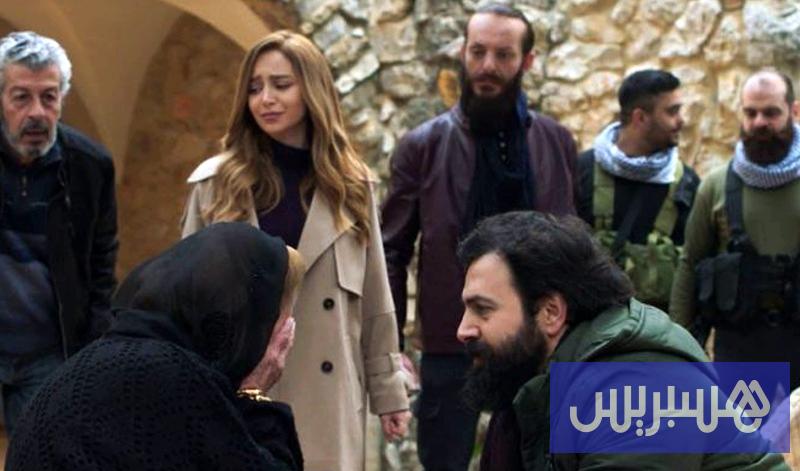
“Al Hayba” is considered one of the most successful Arab drama works in the last decade; it gained wide popularity since its first season launched in 2017, starring the star Tim Hassan as “Jabal Sheikh Al Jabal,” alongside several prominent Lebanese and Syrian actors.
The story is set in a fictional village called “Al Hayba,” controlled by a powerful family that rules by its own customs and lives conflicts with the law, clans, and impossible love stories.
The series ran for five consecutive seasons before concluding with a feature film released in 2022, starring Zeina Makki and Mohammed Aqil, providing a dramatic ending to a story that captivated viewers across the Arab world.
With the start of preparations for a Moroccan version of “Al Hayba,” it seems that national drama is entering a new phase of openness and Arab cooperation, a step expected to enhance its regional presence and push it towards more grand productions competing in the artistic arena.



Recommended for you
Al-Jaghbeer: The Industrial Sector Leads Economic Growth
Alternative to UNIFIL Forces
Egypt Post: We Have Over 10 Million Customers in Savings Accounts and Offer Daily, Monthly, and Annual Returns
Talib Al-Rifai Chronicles Kuwaiti Art Heritage in "Doukhi.. Tasaseem Al-Saba"
Exhibition City Completes About 80% of Preparations for the Damascus International Fair Launch
Trump Advisor: Disarming Hamas is Central.. Palestinian Authority to Take Over Gaza After Required Reforms