









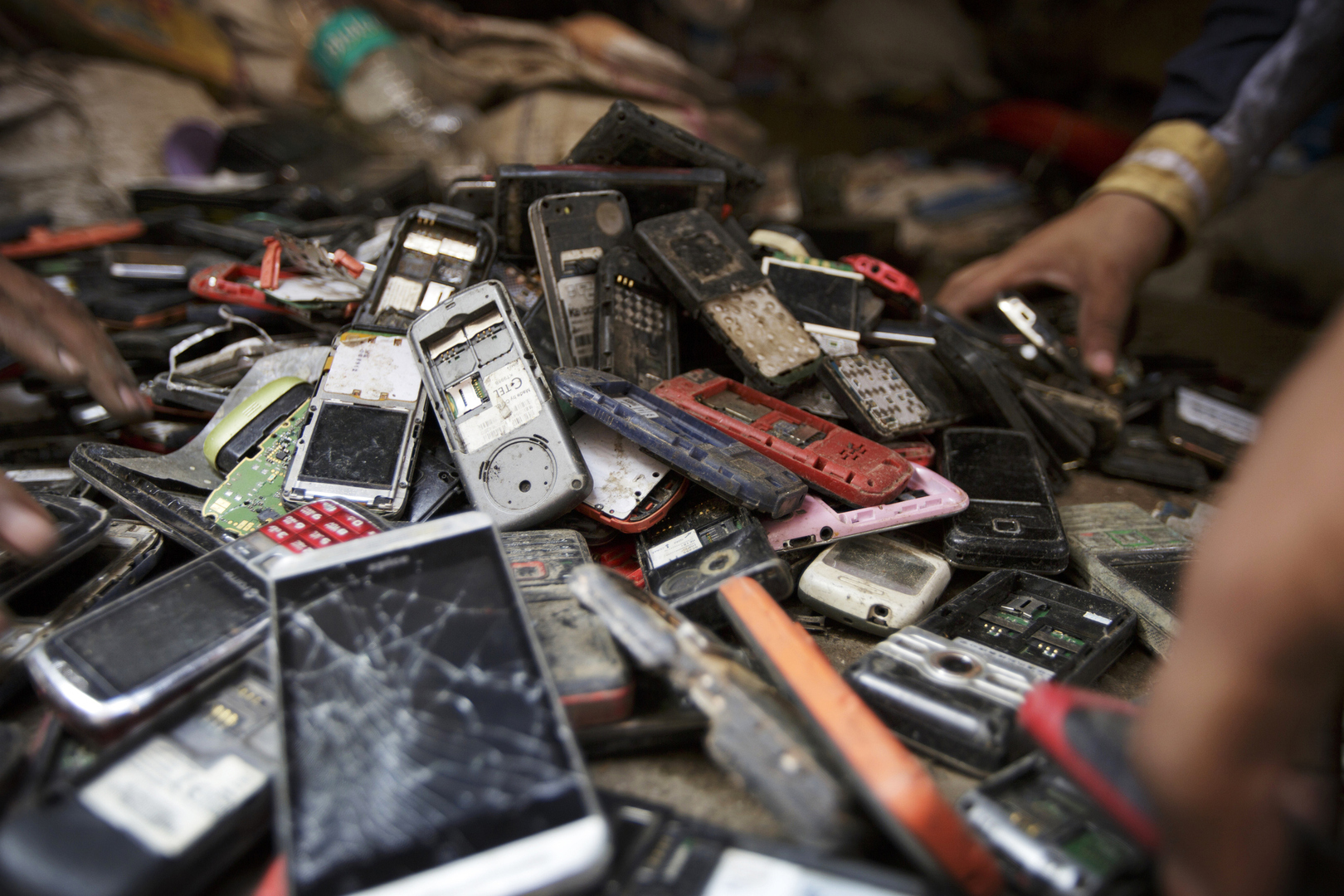
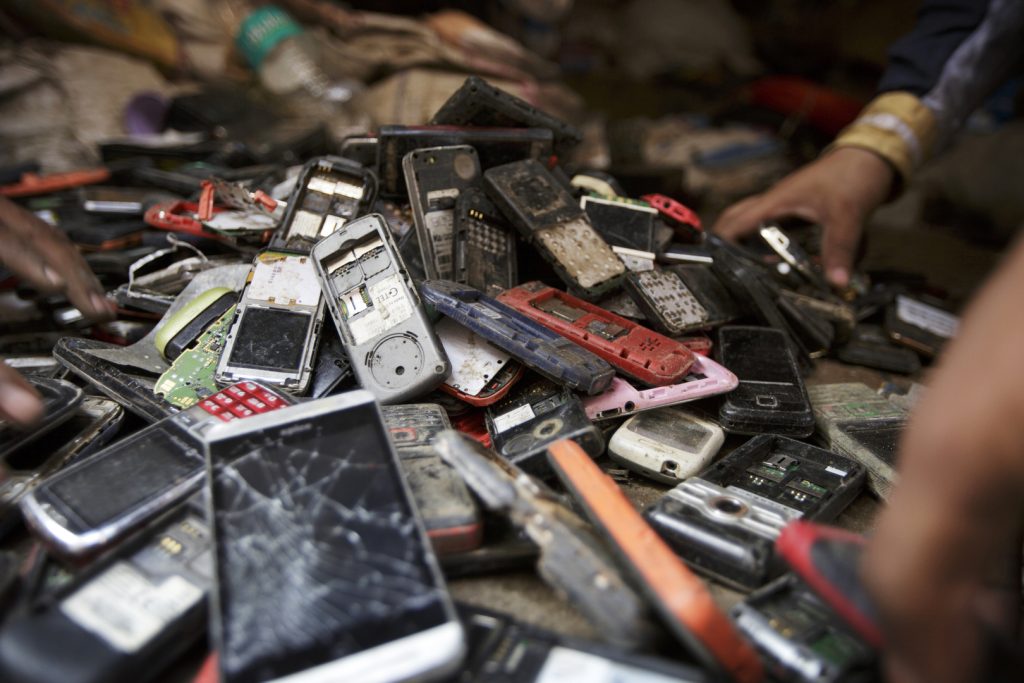
A study revealed alarming results, showing that children living near electronic waste processing areas face a risk of developing high blood pressure four times greater than their peers in other areas.
This risk arises from their continuous exposure to toxic metals and volatile organic compounds that interfere with metabolic pathways linked to the gut and disrupt the body’s blood pressure regulation mechanism.
The study was conducted in October 2022 and its results were recently published in the journal Environment & Health. It included 426 children from an electronic waste recycling area in China, where all participants underwent thorough examinations including urine sample analysis and blood pressure measurement.
Using advanced techniques, the research team measured 18 heavy metals and 15 metabolites of volatile organic compounds, along with analysis of more than 180 other metabolites.
The results revealed a concerning health scenario, with the study recording a 12.7% prevalence of high blood pressure among children, a rate four times higher than the national average of 3.1%.
Delving deeper into statistical analyses, clear associations appeared between metal levels in urine and blood pressure, with cobalt and gallium positively correlated with systolic blood pressure, while selenium and tin were linked to diastolic blood pressure.
More worryingly, advanced metabolic analysis revealed profound disturbances in children’s metabolic pathways, showing notable changes in amino acid, fatty acid, and steroid pathways.
The researchers identified specific metabolites such as glutamine, creatinine, and N-phenylacetyl-l-glutamine (PAGln) playing a central role in these disturbances.
These findings indicate that pollution from electronic waste affects our health in a complex and interconnected way, causing changes in the gut microbiome environment which plays a key role in maintaining overall health. When children’s bodies are exposed to these pollutants, they disrupt the natural bacterial balance in the gut, affecting the body’s ability to regulate blood pressure normally. Biochemical processes responsible for detoxification are also impaired, leading to accumulation of harmful substances and resulting in high blood pressure.
Although the study indicates a decrease in most pollutant levels compared to previous data from electronic waste areas, many volatile organic compounds remained elevated, with some exceeding average concentrations recorded in children from other Chinese regions. Levels of metals such as rubidium, strontium, and arsenic also continued to surpass those recorded in children and workers from other countries.
These results highlight the urgent need for immediate interventions to protect children’s health in these areas, as proposed mechanisms suggest pollutants like benzene and styrene may raise blood pressure through oxidative stress, endothelial dysfunction, and autonomic nervous system imbalance.
The study emphasizes the importance of future longitudinal studies to confirm causal relationships and develop targeted strategies to reduce exposure, especially from electronic and plastic waste recycling activities.




Recommended for you
Al-Jaghbeer: The Industrial Sector Leads Economic Growth
Alternative to UNIFIL Forces
Egypt Post: We Have Over 10 Million Customers in Savings Accounts and Offer Daily, Monthly, and Annual Returns
Talib Al-Rifai Chronicles Kuwaiti Art Heritage in "Doukhi.. Tasaseem Al-Saba"
Exhibition City Completes About 80% of Preparations for the Damascus International Fair Launch
Trump Advisor: Disarming Hamas is Central.. Palestinian Authority to Take Over Gaza After Required Reforms