









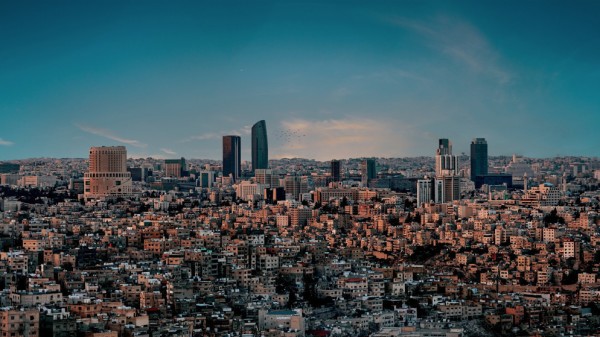
Jordan’s real Gross Domestic Product (GDP) grew by 2.8% during the second quarter of 2025, compared to 2.4% in the same period last year, according to estimates released by the Department of Statistics.
This performance confirms that the Jordanian economy not only withstood regional and international pressures and challenges, including the war between Iran and Israel during this period, but also managed to achieve growth thanks to government monetary, financial, and economic measures that helped stabilize the balance and boost economic activity. This reflects Jordan’s ability to face exceptional circumstances and turn them into an opportunity to continue steady and confident growth.
The growth covered various economic sectors, with agriculture leading at a growth rate of 8.6%, followed by manufacturing industries with 5.0%. Data also showed growth in the electricity and water sector by 4.9%, social and personal services by 4.0%, alongside a notable contribution from the transport, storage, and communications sector.
The highest contribution to GDP came from the finance, insurance, and real estate sector at 18.3%, followed by manufacturing industries at 18.2%, government services producers at 12.6%, wholesale and retail trade, hotels and restaurants at 9.5%, and finally transport, storage, and communications at 9%.
The growth coincided with a noticeable improvement in macroeconomic indicators, where national exports rose by 8.5% in July compared to the same period in 2024, tourism income grew by 7.5% during the first eight months of the year to reach $5.3 billion, and the number of tourists increased by 14.9%. Foreign reserves reached a comfortable level close to $23 billion, alongside stable inflation rates and declining unemployment rates.
Regarding investment, the volume of inflows increased by 14% during the first quarter of the year. Amman Stock Exchange indicators improved, surpassing the 3000-point mark, reaching their highest levels in 15 years. Foreign investments rose to $6 billion since the beginning of the year, the number of registered companies increased by 17% until the end of July, licensed building areas grew by 19%, and demand for real estate “apartments” increased by 4% during the first third of the current year.


Recommended for you
Talib Al-Rifai Chronicles Kuwaiti Art Heritage in "Doukhi.. Tasaseem Al-Saba"
Exhibition City Completes About 80% of Preparations for the Damascus International Fair Launch
Al-Jaghbeer: The Industrial Sector Leads Economic Growth
Unified Admission Applications Start Tuesday with 640 Students to be Accepted in Medicine
Egypt Post: We Have Over 10 Million Customers in Savings Accounts and Offer Daily, Monthly, and Annual Returns
His Highness Sheikh Isa bin Salman bin Hamad Al Khalifa Receives the United States Ambassador to the Kingdom of Bahrain