







Dubai proves day by day that it is not only a city of trade and economy but a vibrant global platform embracing creativity and knowledge, granting the Arabic language new spaces for dissemination and dialogue. Through pioneering initiatives such as the “Translation Challenge” and the “Tarjim” program within the Dubai International Writing Program, among other qualitative initiatives launched by the emirate, Dubai has become a unique model in supporting translators, providing platforms for knowledge and experience exchange, and enhancing the presence of Arabic on the international stage as a language capable of interacting with global sciences and knowledge.
In this context, “Al Bayan” conducted a survey with several specialized translators to gather their opinions on the impact of these initiatives, the main challenges facing translators amid technological development and artificial intelligence, and the role of translation in making Dubai a cultural bridge connecting world cultures.
Skill Development
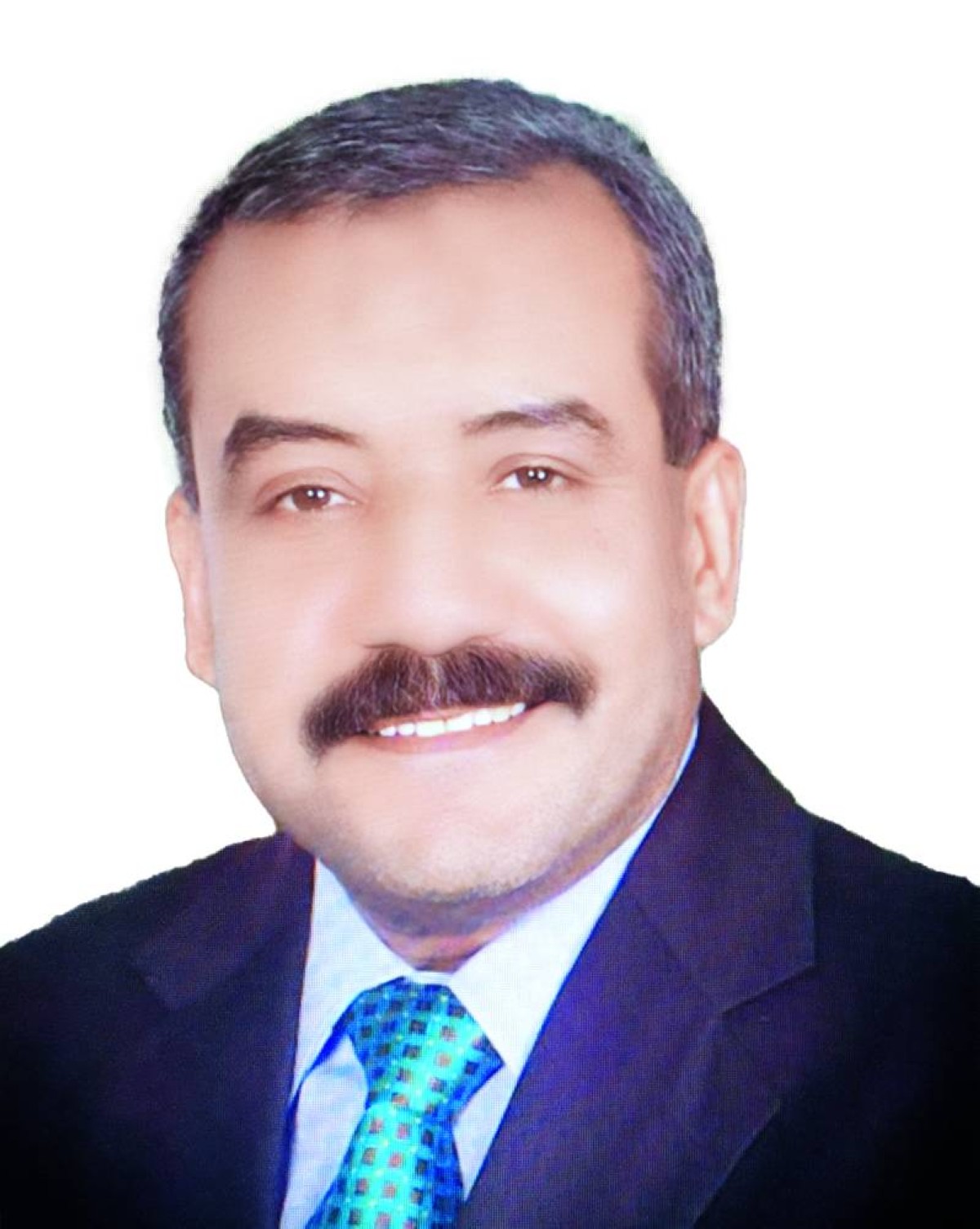
Mustafa Abdulwahed Said, a specialist in financial, economic, legal, and commercial translation, said: “There is no doubt that these initiatives contribute significantly to developing and refining translators’ skills, as ideas and experiences are exchanged, supporting the use of language in general and Arabic in particular across various fields. I remember attending a course where the trainer placed an idiomatic verb inside a circle with arrows pointing in all directions indicating different conjugations of the idiomatic verb. I adopted this idea and method and published a complete dictionary of idiomatic verbs, which was published and distributed by Lebanon Library. Therefore, those who attend such events and initiatives may come out with an idea, method, or way to develop their work and style as translators.”
Artificial Intelligence
Said added: “The challenges of machine translation using artificial intelligence lie in the reliance on this type of translation and the ease of access and use to keep pace with the technological boom characterizing this era. Over time, translators lose their historical roles and their human imprint that adds soul to the translated text. This dry, soulless machine translation deprives the reader of the flavor in which the translator reflects the literature of the translated text. Translators need to intensify efforts to raise competencies and gain more experience to face this type of translation, which is nothing more than pasting synonymous words side by side in the target language, even if they are not suitable for the translated text unit or consistent with the text context, resulting inevitably in a translation without soul, creativity, or craftsmanship that the human translator used to add.”
Knowledge Experience
Said believes that “holding courses, conferences, discussions, and exchanging knowledge experiences facilitates communication between generations and even within the same generation, contributing to the transfer of civilizations represented by the different nationalities present in Dubai. Translation works that preserve the spirit of the environment from which they are translated must be increased, so that the text includes a tableau reflecting the other’s civilization, vocabulary, and surrounding environment. If we gather different translations from multiple countries, the mosaic of the tableau is completed, and the role of translations in transferring civilizations and communication between them is fulfilled.”
Competitive Platforms
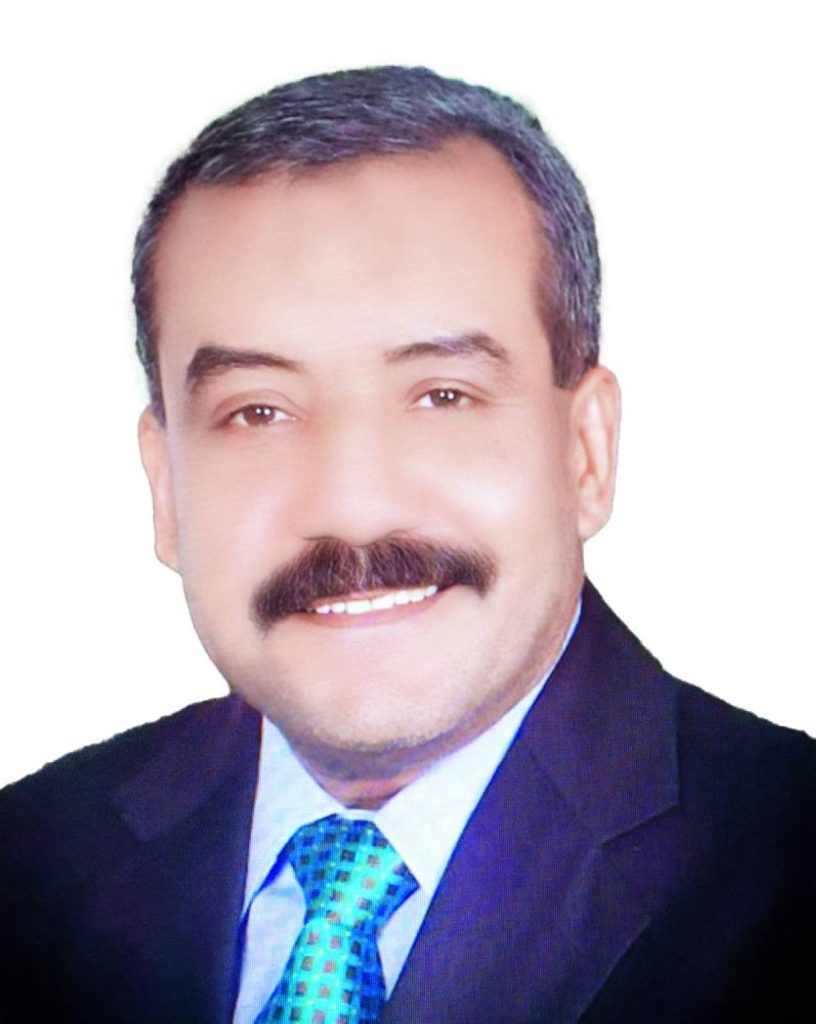
In the same context, Mohamed Sameeh Abu Al-Kass, a legal translator with more than 16 years of experience, confirmed: “There is no doubt that Dubai’s initiatives in the field of translation, such as the Translation Challenge and Dubai Translation Conference, have significantly contributed to developing an integrated professional environment for translators. They not only provide platforms for competition and talent showcasing but also establish a culture of innovation in translation and open wide horizons for the Arab translator to engage in global movement. These initiatives have enhanced the presence of the Arabic language on the international scene and proved that Arabic can interact with modern sciences and knowledge with the same strength as other global languages.”
Initiatives
He explained: “Today, translators face complex challenges amid the rise of artificial intelligence technologies and machine translation tools. The most prominent of these challenges is the loss of the human and creative dimension of texts, as machines may lack the perception of subtle differences in style or cultural context. Hence, the role of cultural initiatives emerges in enabling translators to maintain the human imprint through specialized training programs, workshops focusing on literary and linguistic creativity, and encouraging translation that respects cultural identity rather than merely literal text transfer.”
Global Center
Abu Al-Kass concluded: “Today, Dubai embodies a miniature image of the world with its diversity of peoples and cultures. Here comes the role of translation as a civilizational tool that enhances understanding and communication among more than 200 nationalities living in this city. Translation is not just a means of conveying meaning but a bridge that transfers values, knowledge, and human experiences. By supporting translation, Dubai strengthens its position as a capital of cultural convergence and a global center spreading values of openness and coexistence, solidifying its status as a pioneering city in building bridges of dialogue between East and West.”
While Dubai continues to launch its qualitative initiatives in the field of translation, translators remain witnesses and partners in shaping this renewed civilizational scene. Translation, with its power to bring peoples closer and exchange knowledge, confirms that Dubai is not just a city passing through cultures but a nurturing home and a meeting place that consolidates human dialogue in its finest form.

Recommended for you
Talib Al-Rifai Chronicles Kuwaiti Art Heritage in "Doukhi.. Tasaseem Al-Saba"
Exhibition City Completes About 80% of Preparations for the Damascus International Fair Launch
Al-Jaghbeer: The Industrial Sector Leads Economic Growth
Unified Admission Applications Start Tuesday with 640 Students to be Accepted in Medicine
Egypt Post: We Have Over 10 Million Customers in Savings Accounts and Offer Daily, Monthly, and Annual Returns
His Highness Sheikh Isa bin Salman bin Hamad Al Khalifa Receives the United States Ambassador to the Kingdom of Bahrain