









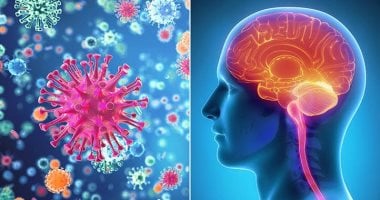
Meningitis is swelling or inflammation of the brain and spinal cord tissues, making children and adolescents more vulnerable to this life-threatening infection. According to doctors, causes of meningitis include medications, injuries, conditions like cancer and lupus, but the most common cause is infection, according to the ‘Times Now’ website.
Experts believe that children and adolescents are more susceptible to meningitis compared to adults due to factors related to the development of their immune system and social behavior.
Doctors confirm that the main reason for increased susceptibility in very young children is their weak immune system. Infants and young children have less developed immune systems with fewer and less functional innate and adaptive immune cells, meaning their bodies are less effective at fighting bacteria and viruses that cause meningitis.
Infants receive protection from antibodies passed from their mothers, but this passive immunity wanes around 6 months of age, creating a window of vulnerability until their immune system strengthens.
Infants and young children have not had enough exposure to build natural immunity against various strains of disease-causing bacteria and viruses. Children with certain medical conditions, such as a history of recurrent sinus infections, brain surgery, or cochlear implants, are at higher risk. Serious head injuries also increase the risk of meningitis.
Children who have not received recommended vaccinations, such as the Haemophilus influenzae type b (Hib) vaccine and pneumococcal vaccine, are more vulnerable to certain types of meningitis.
Doctors say meningitis symptoms may vary in infants compared to older children and adults. In bacterial meningitis, fever, headache, and stiff neck may appear suddenly and the condition can worsen rapidly. Symptoms include stiff neck, nausea or vomiting, sensitivity to light, confusion or altered mental status, low energy or lethargy, poor appetite, small round rash-like spots, hallucinations, loss of balance, and difficulty waking up.
Infectious causes of meningitis include bacteria, viruses, fungi, and parasites. Non-infectious causes include diseases, some medications, and other conditions.
Bacterial causes include Streptococcus pneumoniae, Group B Streptococcus, Neisseria meningitidis, Haemophilus influenzae, Listeria monocytogenes, Escherichia coli, and Mycobacterium tuberculosis. Viral causes include non-polio enteroviruses, mumps, herpes viruses, measles, influenza, arthropod-borne viruses, lymphocytic choriomeningitis virus, and Coxsackie virus. Parasitic causes include Angiostrongylus cantonensis, Baylisascaris procyonis, and Gnathostoma spinigerum.



Recommended for you
Talib Al-Rifai Chronicles Kuwaiti Art Heritage in "Doukhi.. Tasaseem Al-Saba"
Exhibition City Completes About 80% of Preparations for the Damascus International Fair Launch
Al-Jaghbeer: The Industrial Sector Leads Economic Growth
Unified Admission Applications Start Tuesday with 640 Students to be Accepted in Medicine
Egypt Post: We Have Over 10 Million Customers in Savings Accounts and Offer Daily, Monthly, and Annual Returns
His Highness Sheikh Isa bin Salman bin Hamad Al Khalifa Receives the United States Ambassador to the Kingdom of Bahrain