









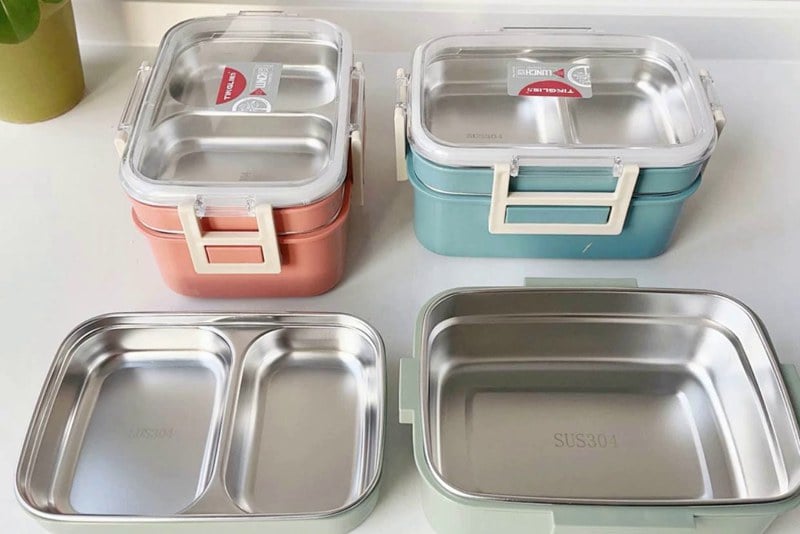
With the start of the school season, many Moroccan mothers face a daily challenge of preparing the “lunchbox” for their children, a task added to other responsibilities related mainly to household duties and secondly to professional work, among other roles borne by housewives. Mothers seek to solve a difficult equation balancing what the child likes to eat and what their body needs in essential nutrients to ensure focus and activity inside the classroom or nursery.
The burden increases on mothers and fathers alike. Besides the pressures of returning to school, such as buying school supplies, backpacks, clothes, and preparing children for early bedtime and homework, parents are preoccupied with thinking about the breakfast meal, which is essential along with lunch for schoolchildren.
Yousra, a French language teacher at the secondary level, said that the school entry represents a daily headache for her to balance between household responsibilities and work, adding that thinking about preparing the “lunchbox” takes a large part of her time to ensure her daughter’s focus and discipline throughout the day.
The same mother told Hespress electronic newspaper: “I try as much as possible to balance between what my daughter likes to eat and what her body needs nutritionally, even if it requires extra time and effort from me,” considering this effort “an investment in her academic and health future.”
The speaker added that “daily thinking about varying the contents of the lunchbox is a challenge, especially with the rising prices of some food items,” adding: “But still, I try to innovate with what is available and find simple ways to make the meal nutritious and attractive at the same time,” stressing that “these small details are very important to the mother because they ultimately translate into psychological comfort and reassurance about our children.”
Soumia Boulaasas, a diet and nutrition specialist, said that the “lunchbox” should be a complete meal including essential elements, emphasizing that breakfast remains essential and primary for the child and it is preferable to have it at home before heading to school.
The same specialist explained to Hespress that “breakfast should mainly include proteins, sugars, fats, vitamins, phosphorus, and potassium, as they play a role in enhancing concentration and academic achievement, not just a traditional ‘sandwich’ that fills the child’s stomach without nutritional value.”
Boulaasas stated that “this variety, which seems easy on the surface, can only be achieved by including whole grain bread, rich in phosphorus, potassium, and dietary fibers, along with plant proteins or healthy fats like olive oil, in addition to simple sugars such as dates with a cup of milk or tea.”
The specialist warned against including certain types of food in children’s lunchboxes, notably fried potato chips, soft drinks, industrial juices, cakes, and sweets full of sugar and artificial colors, as well as excessive chocolate, considering that this type of food negatively affects the child’s concentration inside the classroom. She pointed out that sugars are the main cause of nutritional imbalance in children due to their direct effect on neurotransmitters responsible for concentration.
The speaker also noted that sometimes the contents of the lunchbox do not consider the child’s psychological side, as some mothers decorate it with colors, shapes, and chocolate beads, which may distract the student’s mind more than focusing on the lesson inside the classroom.
Regarding lunch, Boulaasas recommended including animal proteins such as chicken, fish, or grilled meatballs, avoiding fried foods, accompanied by a quantity of fiber-rich vegetables, seasonal fruit, and a bottle of water to ensure body hydration. She urged families to pay attention to proper nutrition to protect the student’s health and ensure their mental and physical readiness for a lively school day, warning about the necessity of psychological preparation for the child at night regarding the morning lunchbox and preparing a varied weekly schedule to avoid repetition and encourage children to finish their food.




Recommended for you
Al-Jaghbeer: The Industrial Sector Leads Economic Growth
Alternative to UNIFIL Forces
Talib Al-Rifai Chronicles Kuwaiti Art Heritage in "Doukhi.. Tasaseem Al-Saba"
Egypt Post: We Have Over 10 Million Customers in Savings Accounts and Offer Daily, Monthly, and Annual Returns
Exhibition City Completes About 80% of Preparations for the Damascus International Fair Launch
Trump Advisor: Disarming Hamas is Central.. Palestinian Authority to Take Over Gaza After Required Reforms