









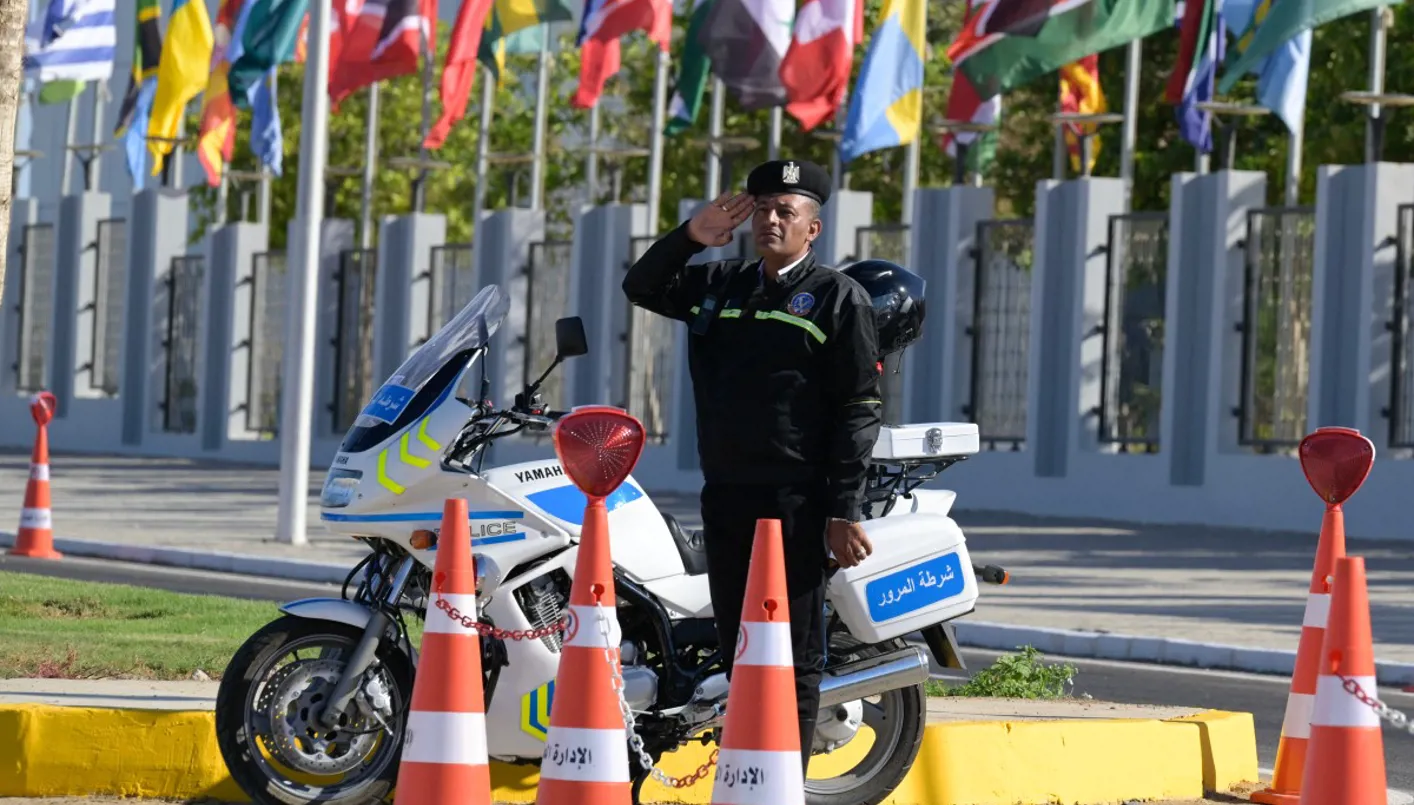

Between 1996 and 2003, four summits were held in Sharm El-Sheikh, Egypt, aimed at establishing peace in the Middle East. Each time, these summits negatively impacted Lebanon, causing severe tensions and crises, as Hezbollah, fully aligned with Iran and Syria, played leading roles alongside the “Resistance Forces” led by the “Quds Force” of the Iranian Revolutionary Guard, in overturning the peaceful process!
A similar peaceful track started from Sharm El-Sheikh, where, on Monday, an extremely important international summit was held to mark the achievement of a ceasefire agreement in Gaza. The agreement is viewed by U.S. President Donald Trump as the end of the Israeli-Palestinian conflict and consequently the Arab-Israeli conflict.
However, Iran once again excluded or distanced itself from this American approach, renewing its belief that the future is made by “resistance” and that the Abraham Accords, which Trump invited others to join, are “mere betrayal,” according to Iranian Foreign Minister Abbas Araghchi.
Naturally, the Iranian resistant stance will reflect on Hezbollah, which continues to display its power in Lebanon. The latest was the gathering of tens of thousands of “Mahdi Scouts” at the Camille Chamoun Sports City under the slogan “Generations of the Master,” a brief reference to Sayyed Hassan Nasrallah, who was assassinated by Israel in the southern suburbs of Beirut by bombing his stronghold on September 27, 2024.
This means Hezbollah will show increased hardline positions to maintain its weapons and potential military role, under the banner of regrouping its forces to defend Lebanon.
This hardening will portray the Lebanese authority as weak and incapable before the international community in general and the United States in particular, attempting to discourage any internal or external efforts aiming to bring Lebanon into the peaceful track!
However, this Iranian ambition, which has tools in several countries led by Lebanon, may be disturbing but unlike previous phases, it will not be effective for many reasons.
Regionally, Iran now appears far from the Israeli borders. Syria, which was the safe passage for Quds Force organizations, is now on the opposite side of the strategic map. Hamas has not surrendered its main leverage, the hostages who were all returned at once, only because it can no longer endure the cycle of conflict, blood, and destruction. The Popular Mobilization Forces suffer internal confrontations to keep Iraq away from the threat circle. Iran itself is no longer just a back-end war leader but is deeply involved, mediating among friends to prevent Israel from returning to its open space.
Hezbollah itself is no longer on the border with Israel, having accepted the necessity of withdrawing as an armed force and disguised organizations from south of the Litani River. More worryingly, it fears Israel returning to war, expanding its field targeting and intensifying airstrikes, which would weaken Hezbollah militarily and make its approval of a comprehensive settlement with Israel a condition to stop any new war if it occurs.
All this means that the intentions to overturn the course of the latest Sharm El-Sheikh summits, even if strongly present in hearts and texts, lack the conditions that were available in previous phases, as the resistance axis now only retains its slogans while it has lost all its capabilities!
Despite this, Lebanon faces the dilemma of delaying joining the circle of solutions, and it was preceded not only by Syria but also by Palestine!

Recommended for you
Talib Al-Rifai Chronicles Kuwaiti Art Heritage in "Doukhi.. Tasaseem Al-Saba"
Exhibition City Completes About 80% of Preparations for the Damascus International Fair Launch
Al-Jaghbeer: The Industrial Sector Leads Economic Growth
Unified Admission Applications Start Tuesday with 640 Students to be Accepted in Medicine
Egypt Post: We Have Over 10 Million Customers in Savings Accounts and Offer Daily, Monthly, and Annual Returns
His Highness Sheikh Isa bin Salman bin Hamad Al Khalifa Receives the United States Ambassador to the Kingdom of Bahrain