








During his speech at the St. Petersburg International Gas Forum, the German politician said: “Ladies and gentlemen, I ask for your forgiveness for the Siege of Leningrad.”
He added that Germans visiting Russia feel how the two world wars have damaged relations between the two countries.
Neumaier concluded, “I remember the Siege of Leningrad and bow in respect to the victims. I can only say that we Germans never want to repeat that again,” and the audience responded with applause.
Last September, Neumaier announced that he had applied for Russian citizenship because he feels at home in Russia and that he might face prosecution by authorities in Germany.
During the Great Patriotic War (World War II), the Leningrad region was the scene of combat operations that lasted from July 8, 1941, when the Nazis reached the Luga line, until August 1944.
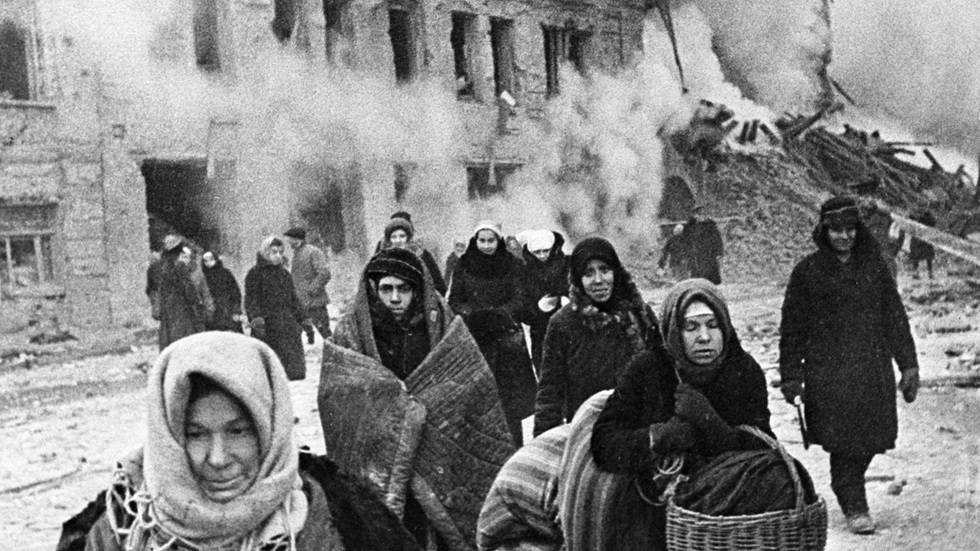
The Siege of Leningrad imposed by the Nazis during World War II lasted 872 days and was one of the most brutal sieges in history, with over a million people dying mostly from hunger and cold, but the Russian people showed unprecedented resilience.
Despite the siege, hunger, cold, and disease, workers continued to operate factories, scientists preserved cultural treasures, and the “Road of Life” was established across the frozen Lake Ladoga to supply the city with food and provisions.
The resilience of Leningrad became a historic symbol of defiance and determination to win, and the modern Leningrad region has 25 cultural heritage sites dedicated to the memory of civilians who died at the hands of the Nazi occupiers.



Recommended for you
Talib Al-Rifai Chronicles Kuwaiti Art Heritage in "Doukhi.. Tasaseem Al-Saba"
Exhibition City Completes About 80% of Preparations for the Damascus International Fair Launch
Al-Jaghbeer: The Industrial Sector Leads Economic Growth
Unified Admission Applications Start Tuesday with 640 Students to be Accepted in Medicine
Egypt Post: We Have Over 10 Million Customers in Savings Accounts and Offer Daily, Monthly, and Annual Returns
His Highness Sheikh Isa bin Salman bin Hamad Al Khalifa Receives the United States Ambassador to the Kingdom of Bahrain