








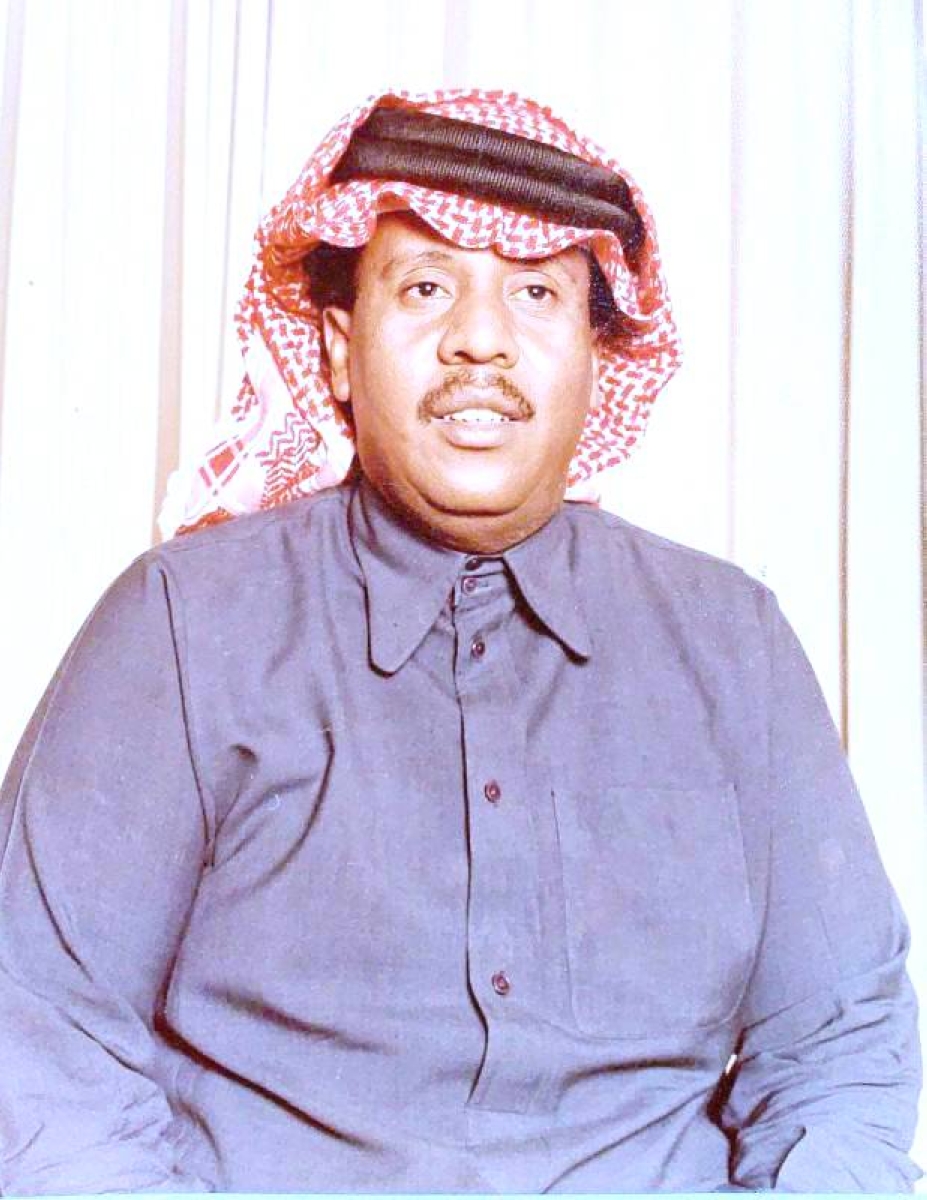
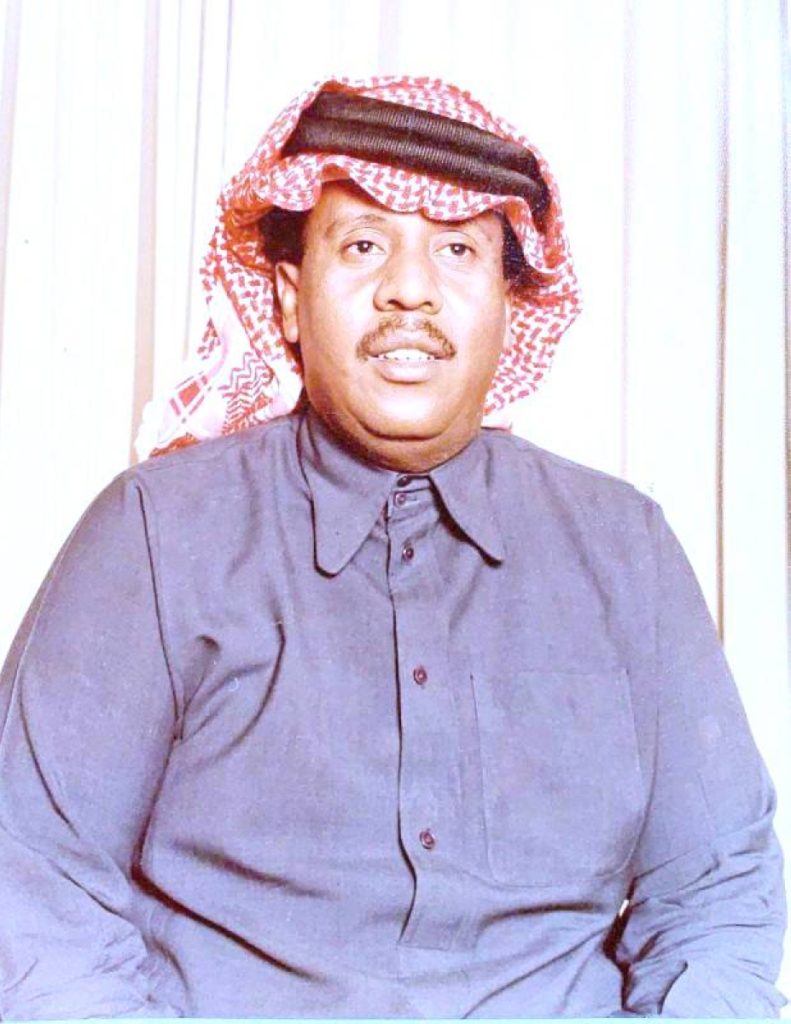
When reviewing the history of popular song in Saudi Arabia, Salama Al-Abdullah is not merely a singer from a bygone era, but a lasting shadow; a voice that managed to establish an independent artistic identity distinct from the schools of his time, leaving an indelible mark on both popular and critical consciousness.
One of the most important features of his career is that he combined deep heritage, the sincerity of the Najdi dialect, and a spirit of contemporary renewal—not arbitrary renewal but one rooted in tradition. His blend of popular, traditional, and contemporary styles was sincere, producing songs still sung today by other artists, such as “Tawallat Bik Wallah,” “Ya Dha Al-Hamam,” and “Shirou,” yet the echo of his performance remains the reference; he was the one who shaped those texts with his voice and planted them in the collective memory of the scene.
Salama Abdullah Al-Shammari emerged in the late 1960s and early 1970s as one of the pillars of Saudi popular song, with a singing career spanning nearly four decades. A key aspect of his career was founding a production company, which gave his works wider distribution. His continuous renewal in melody and performance brought him close to classical Najdi song without sinking into rigid conservatism.
In collaboration with prominent poets such as Ahmed Al-Nasser, Khalaf bin Hithal, Rashid Al-Juaithen, and other leading names in Nabati poetry, Salama was able to select texts that suited his voice and timing, adding a musical charge that makes the song more than just melody and words: it is an emotional experience.
Among his songs still frequently repeated are “Ya Dha Al-Hamam,” which remains in familiar playlists today, or albums like “Aroos Al-Shamal” and “Malik Udhr,” which appear on modern streaming platforms as works that demonstrate depth of performance and broad vision.
What distinguishes Salama is that his voice did not follow prevailing singing trends but crafted his own style. In vocal criticism, we say: he did not imitate but reshaped the Saudi singing language with his vocal balance, tone, and personal performance style.
Salama lived through a transitional era in the Saudi scene, when audiences demanded authenticity and sought renewal simultaneously. In this context, his experience was a difficult balance, which he largely succeeded in, representing a pivotal point in the history of Saudi song that transitioned from “Bedouin-popular” to broader vocal ranges.
Today, as the history of Saudi song is revisited, Salama Al-Abdullah should be given a status not only as a singer but as one who shaped the independent voice of Saudi popular art, as a historical artistic value that is not confined to his era but lives on in the collective memory and nourishes generations rediscovering him.



Recommended for you
Al-Jaghbeer: The Industrial Sector Leads Economic Growth
Alternative to UNIFIL Forces
Egypt Post: We Have Over 10 Million Customers in Savings Accounts and Offer Daily, Monthly, and Annual Returns
Talib Al-Rifai Chronicles Kuwaiti Art Heritage in "Doukhi.. Tasaseem Al-Saba"
Exhibition City Completes About 80% of Preparations for the Damascus International Fair Launch
Trump Advisor: Disarming Hamas is Central.. Palestinian Authority to Take Over Gaza After Required Reforms