









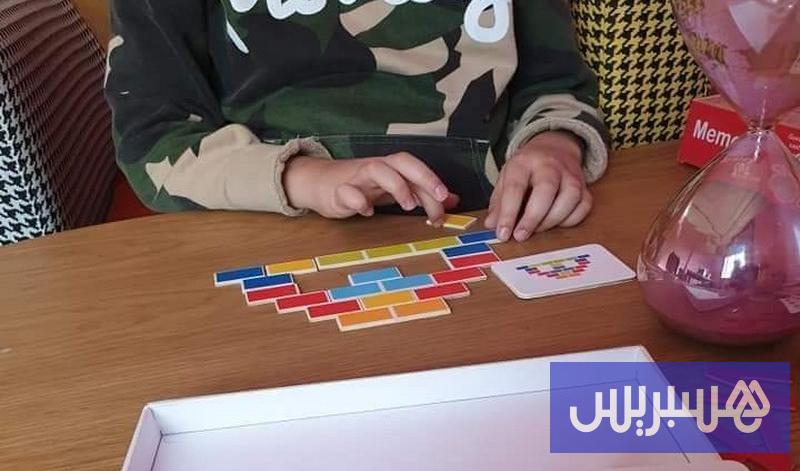
With the start of the new school year, Moroccan families face worrying questions about the difficulties their children encounter in academic achievement. While many parents attribute children’s failure or struggling success to laziness or lack of ability, specialists confirm the existence of so-called “invisible disabilities,” which are often the real reason behind a child’s academic struggles.
Experts agree that addressing these invisible disabilities requires broad societal awareness and close cooperation between families, schools, and medical and educational professionals to prevent children suffering from these disabilities from being marginalized and failing academically, which poses a threat to their future and life.
Dr. Abdelilah Madani, a pediatric specialist, emphasized in his interview that “50 percent of children, if they are well-nourished, properly dressed, and live in socially stable families, there is no logical reason for them to fail.”
Madani explained to Hespress: “When a child fails academically, it does not mean he is lazy or unintelligent, but he may be suffering from one of the brain disorders known as invisible disabilities, such as dyslexia, dyscalculia, difficulties in spelling and spatial-temporal orientation, in addition to symptoms of autism or hyperactivity and attention deficit.”
The pediatric specialist confirmed that these cases require accurate diagnosis and multidisciplinary intervention. He said: “We work on assessing the child’s condition in cooperation with doctors and specialists, and when we confirm the presence of a disorder, we seek to support him with special pedagogical and educational means. For example, some children need extra time in exams, or someone to write for them instead of writing themselves, or to answer orally instead of writing.”
He added: “When we provide this support, the child gradually acquires new skills and can continue his life normally. But if the diagnosis is not made, the child may drop out of school early, exposing him to the risk of delinquency or living on the street.”
Samira Lghrib, president of the Moroccan Dyslexia Association, explained that diagnosis is not direct but usually begins with observation by teachers, then the child is referred to a multidisciplinary committee including specialists in psychology, speech therapy, neuro-motor therapy, and special education.
Lghrib added to Hespress that “learning disorders are diverse; they are not limited to dyslexia but also include difficulties in writing, arithmetic, and others.”
According to Lghrib, the child undergoes an initial follow-up period lasting about six months before the final diagnosis is made. She continued: “This disability does not disappear but accompanies the child for life, but its severity can be reduced through regular therapeutic sessions, allowing the child to adapt to his academic path and continue learning at various stages, from primary to higher education.”
Lghrib addressed the challenges of school life, saying: “The issue is not only about adapting exams but also the daily school life. The teacher is required to determine the amount of text the child memorizes, how much he writes, and whether he is allowed to use a calculator in math or not. This requires extra effort and a special challenge from the teacher to successfully integrate the student.”
She added that “the biggest goal we aspire to is to generalize training on learning disorders at all levels, with the participation of civil society, so that the implementation of inclusive education projects is effective and meets the aspirations of children and their families.”



Recommended for you
Al-Jaghbeer: The Industrial Sector Leads Economic Growth
Alternative to UNIFIL Forces
Egypt Post: We Have Over 10 Million Customers in Savings Accounts and Offer Daily, Monthly, and Annual Returns
Talib Al-Rifai Chronicles Kuwaiti Art Heritage in "Doukhi.. Tasaseem Al-Saba"
Exhibition City Completes About 80% of Preparations for the Damascus International Fair Launch
Trump Advisor: Disarming Hamas is Central.. Palestinian Authority to Take Over Gaza After Required Reforms