








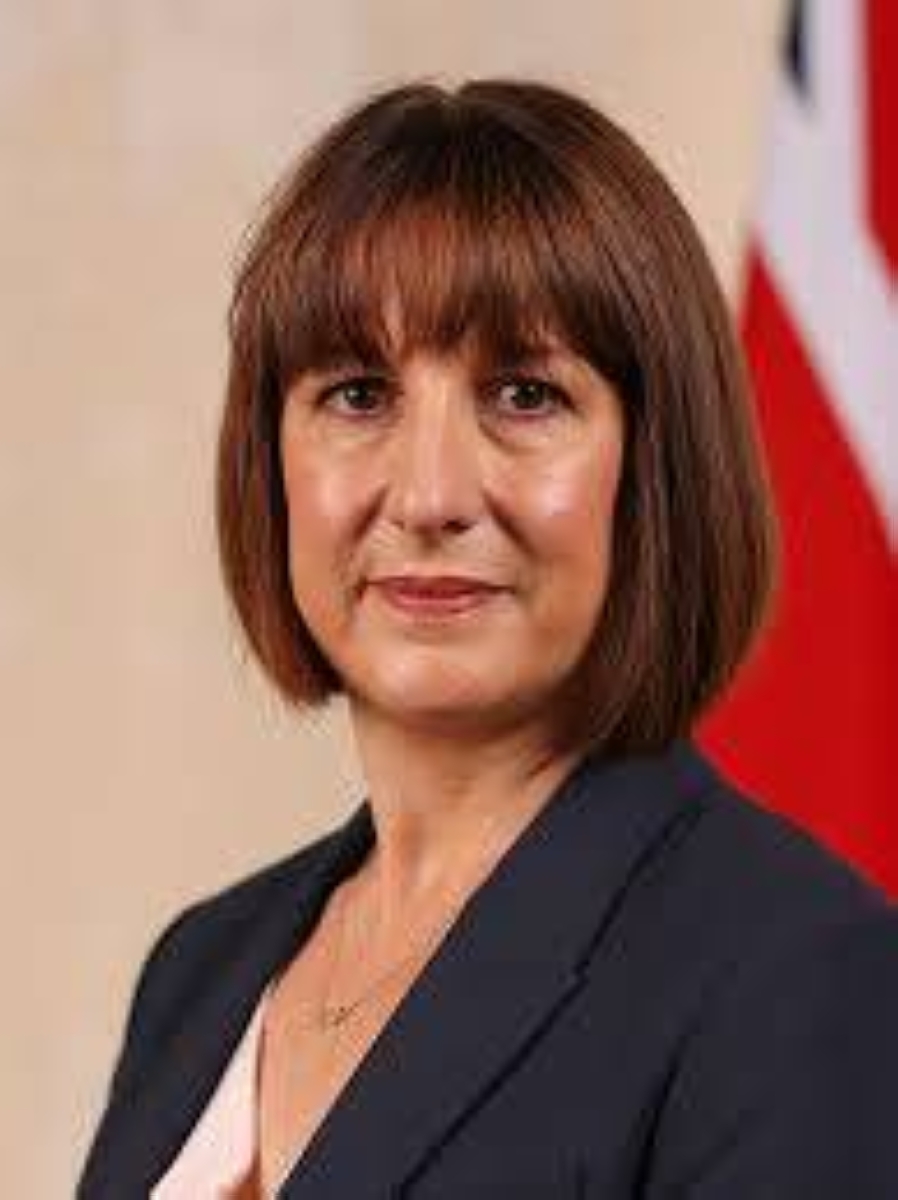
UK Chancellor Rachel Reeves intends to strengthen the financial safety margin in next month’s budget as part of her fiscal framework, aiming to shield public finances from future shocks and market volatility, according to The Sunday Telegraph.
Currently, Reeves plans to expand the financial margin more than before to enhance the public finances’ ability to withstand bond market fluctuations and rising borrowing costs, which may lead her to impose more taxes or cut spending to achieve this goal.
A Treasury spokesperson said the financial rules set by Reeves help keep interest rates low while prioritizing investment that supports long-term growth.
He added, “This is the responsible choice to reduce borrowing levels in the coming years, so we can increase spending on public services and working-class priorities and reduce debt servicing burdens.”
Reeves announced in the spring statement issued last March that spending and tax plans would maintain a financial margin of £9.9 billion ($13 billion) against her main target of balancing current public spending and tax revenues by 2030.
Government borrowing costs have risen more than expected, and the government abandoned a plan to save £5 billion annually from welfare spending, while the Office for Budget Responsibility downgraded its economic growth forecasts.
Economic research centers indicate Reeves may need to raise taxes by about £30 billion in the upcoming November 26 budget to cover the new fiscal gap.
Economists believe any move to expand the financial margin could reassure markets, given the current narrow margin fuels recurring speculation about tax hikes or spending cuts during the semi-annual fiscal rule reviews, which could pressure economic growth.




Recommended for you
Talib Al-Rifai Chronicles Kuwaiti Art Heritage in "Doukhi.. Tasaseem Al-Saba"
Exhibition City Completes About 80% of Preparations for the Damascus International Fair Launch
Al-Jaghbeer: The Industrial Sector Leads Economic Growth
Unified Admission Applications Start Tuesday with 640 Students to be Accepted in Medicine
Egypt Post: We Have Over 10 Million Customers in Savings Accounts and Offer Daily, Monthly, and Annual Returns
His Highness Sheikh Isa bin Salman bin Hamad Al Khalifa Receives the United States Ambassador to the Kingdom of Bahrain