






French researcher and Arab world expert Pierre Boussel considers that Morocco, on its path to developing artificial intelligence as a pivotal technology and strengthening its position in this field, faces a “structural gap” challenge. This gap is characterized by the national digital system’s heavy reliance on “foreign technology,” including machine learning algorithms developed abroad, alongside the obstacle of widespread digital illiteracy, especially in rural areas.
In a report titled “The AI Challenge in Morocco,” published on the research company Geopolitical Intelligence Service’s website, Boussel explained that Morocco’s digital sovereignty agenda rests on three main pillars: developing a national cloud computing infrastructure, expanding data centers, and designing dedicated support mechanisms for tech startups. He added that “this is hoped to lead to a national transformation ultimately resulting in digital self-sufficiency.”
However, he noted that “a structural gap still exists,” clarifying that “as in many other countries in the region, Morocco’s digital system still heavily depends on foreign technological components, including servers, software, security protocols, certificates, and cloud infrastructure.”
The expert added that these elements “are largely imported, operated, or manufactured by entities subject to foreign jurisdictions, while processing sensitive data, whether administrative, economic, or personal, requires external systems that provide limited guarantees regarding confidentiality or institutional oversight.”
A “similar challenge,” according to the French researcher, applies to the reliance on AI algorithms developed abroad, noting that “these systems, often designed by multinational tech companies, operate as opaque black boxes. The countries using them have no control over their design, and it cannot be guaranteed that the processed data remains under national oversight.”
Moreover, the article warns that these algorithms are usually trained on datasets reflecting social and legal contexts different from those in Morocco, “which may lead to misinterpretations, operational bias, or discriminatory outcomes.”
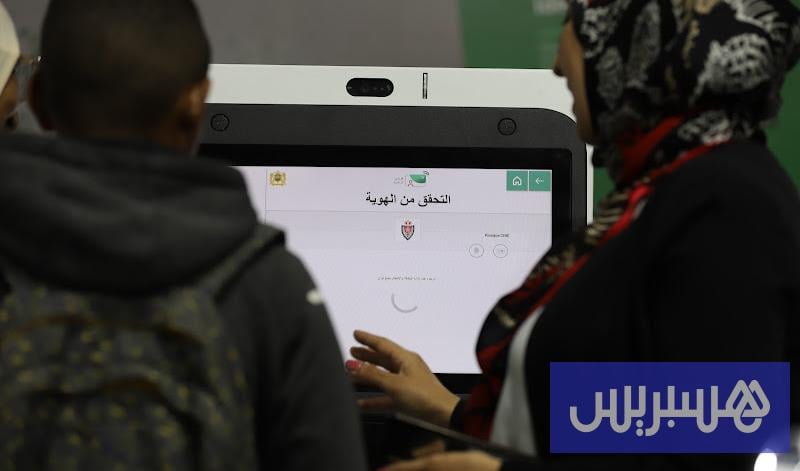
The article also highlights another challenge facing Morocco in achieving its digital ambitions, including AI-related goals: about 40% of people are unable to use smartphones, the internet, or mobile applications due to digital illiteracy or lack of infrastructure.
The source confirms Morocco’s capacity to build an AI ecosystem “benefiting the entire country,” not just “centers in cities like Casablanca, Tangier, and Marrakech,” explaining that “artificial intelligence can help drive regional development by leveraging talents in poor inland areas.”
In this regard, the expert pointed out that the “The Jazari” Institute in the Guelmim-Oued Noun region seeks to “employ AI as a driver for development,” focusing on “key sectors such as smart agriculture, digital health, renewable energy, sustainable tourism, and marine resources.”
The researcher added that “these initiatives alone cannot change Morocco’s technological trajectory, but they send an important signal,” showing “a shift from passive monitoring to active participation in the global digital transformation, including in long-neglected areas; they also reveal upcoming challenges: AI integration is likely to be slow, uneven, and difficult.”
In conclusion, the article states that the most likely scenario is Morocco’s success in implementing digital reforms, especially by expanding and disseminating AI training programs in various regions and supporting innovation through incentives for local startups.




Recommended for you
Talib Al-Rifai Chronicles Kuwaiti Art Heritage in "Doukhi.. Tasaseem Al-Saba"
Exhibition City Completes About 80% of Preparations for the Damascus International Fair Launch
Al-Jaghbeer: The Industrial Sector Leads Economic Growth
Unified Admission Applications Start Tuesday with 640 Students to be Accepted in Medicine
Egypt Post: We Have Over 10 Million Customers in Savings Accounts and Offer Daily, Monthly, and Annual Returns
His Highness Sheikh Isa bin Salman bin Hamad Al Khalifa Receives the United States Ambassador to the Kingdom of Bahrain