









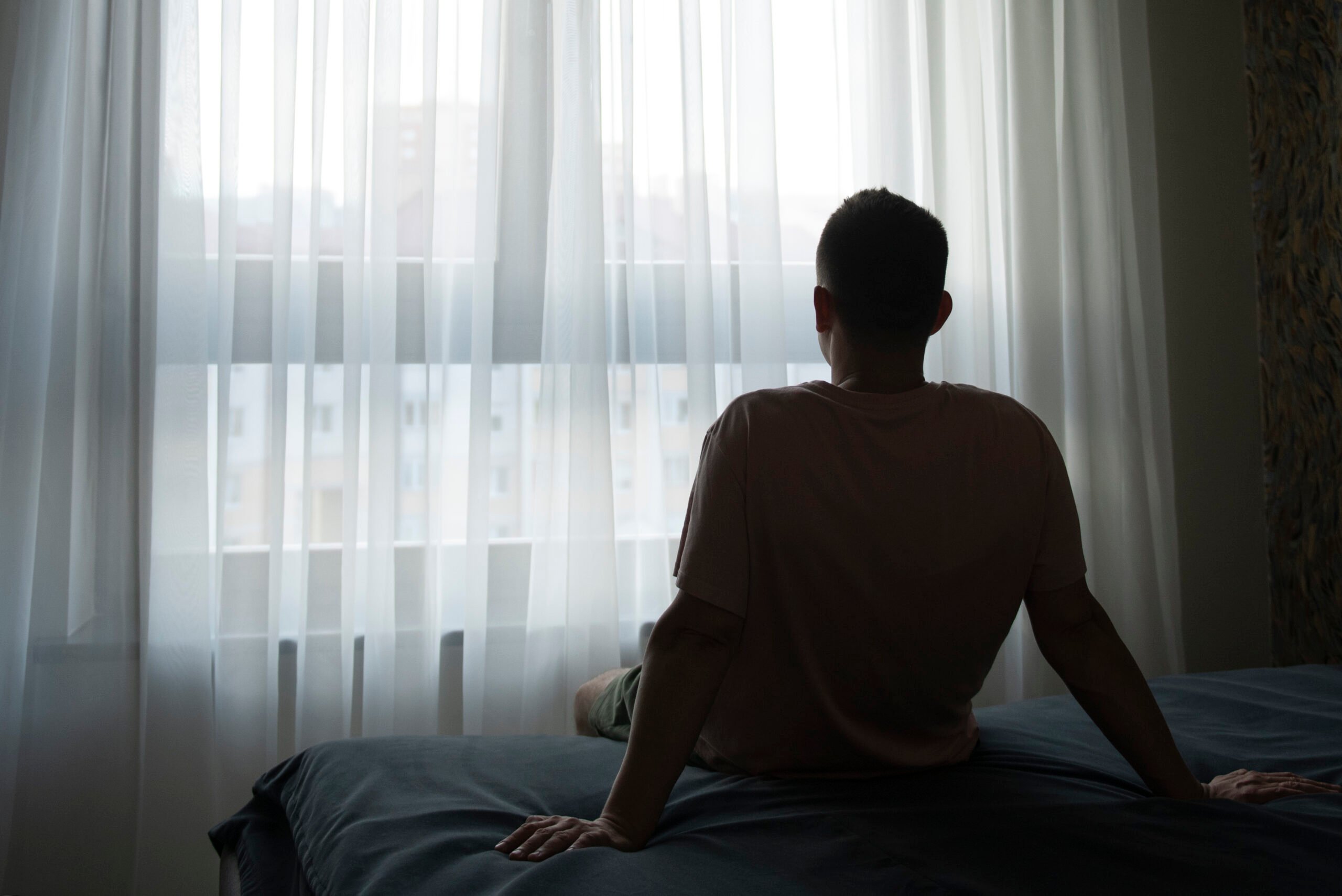
After sufficient hours of sleep at night, a person is expected to wake up feeling relaxed, active, and full of energy and vitality. However, many people complain about waking up tired and gloomy without understanding the cause of this morning depression that affects them at the start of the day.
Morning depression, also known as daily mood disorder, is a symptom of major depression and seasonal depression. It manifests as a mood disturbance upon waking, characterized by feelings of sadness, frustration, loss of passion, and anger in the morning, which may limit or affect daily tasks, then gradually improves as the day progresses.
Low Energy and Fatigue in the Morning
People with severe depression may experience worsening mood in the morning. Others suffer from depression only in the morning. Symptoms include difficulty waking up, low energy, poor concentration, intense irritability, loss of appetite, difficulty performing daily tasks even simple ones like showering and making coffee, laziness, lack of motivation, severe fatigue despite adequate sleep, appetite disturbances, feelings of guilt, despair, and worthlessness.
Hormonal Factors and Causes
Doctors have not identified the main causes of morning depression, but several hypotheses exist, such as sleep disorders (interrupted sleep, snoring, sleep apnea) leading to insufficient rest; increased cortisol secretion (stress hormone) which peaks in the morning causing increased heart rate, high blood pressure, diabetes, increased breathing rate, and depression; elevated levels of interleukin 6 in the morning, a chemical released by the immune system, observed in depression, schizophrenia, and other mental illnesses; recurrent body inflammations increasing the risk of morning depression; and disruptions in the biological clock rhythm that regulates mood and energy throughout the day.
Treatment Methods
Treatment options include psychotherapy, morning outdoor exercise, medications, improving sleep habits by darkening the room and maintaining a comfortable temperature, ensuring a comfortable bed, reducing noise, going to bed and waking up at fixed times, and light therapy. Alternative treatments may also help when combined with primary treatments, such as acupuncture, meditation, yoga, relaxation, massage, music therapy, and nutritional supplements and herbs.
Change Your Lifestyle
In addition to treatment and medications, lifestyle changes can help improve morning depression symptoms. These include avoiding caffeine and alcohol stimulants, quitting smoking, taking very short naps to avoid affecting nighttime sleep, turning off computer and phone screens an hour before bed as blue light hinders sleep, creating ideal sleep conditions such as a quiet and dark room, setting morning commitments and mandatory tasks to force waking up, and maintaining a consistent sleep schedule.




Recommended for you
Talib Al-Rifai Chronicles Kuwaiti Art Heritage in "Doukhi.. Tasaseem Al-Saba"
Exhibition City Completes About 80% of Preparations for the Damascus International Fair Launch
Al-Jaghbeer: The Industrial Sector Leads Economic Growth
Unified Admission Applications Start Tuesday with 640 Students to be Accepted in Medicine
Egypt Post: We Have Over 10 Million Customers in Savings Accounts and Offer Daily, Monthly, and Annual Returns
His Highness Sheikh Isa bin Salman bin Hamad Al Khalifa Receives the United States Ambassador to the Kingdom of Bahrain