









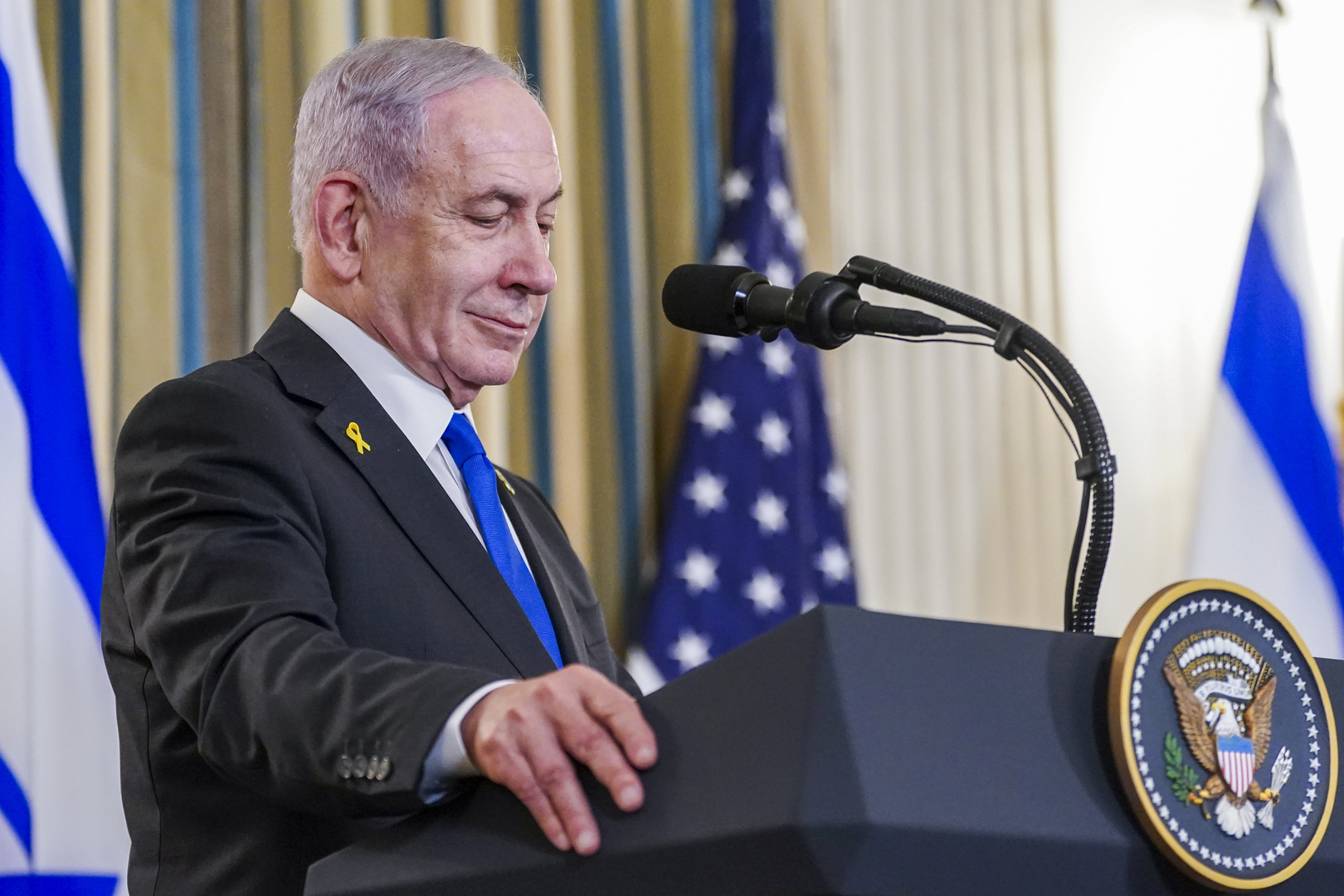
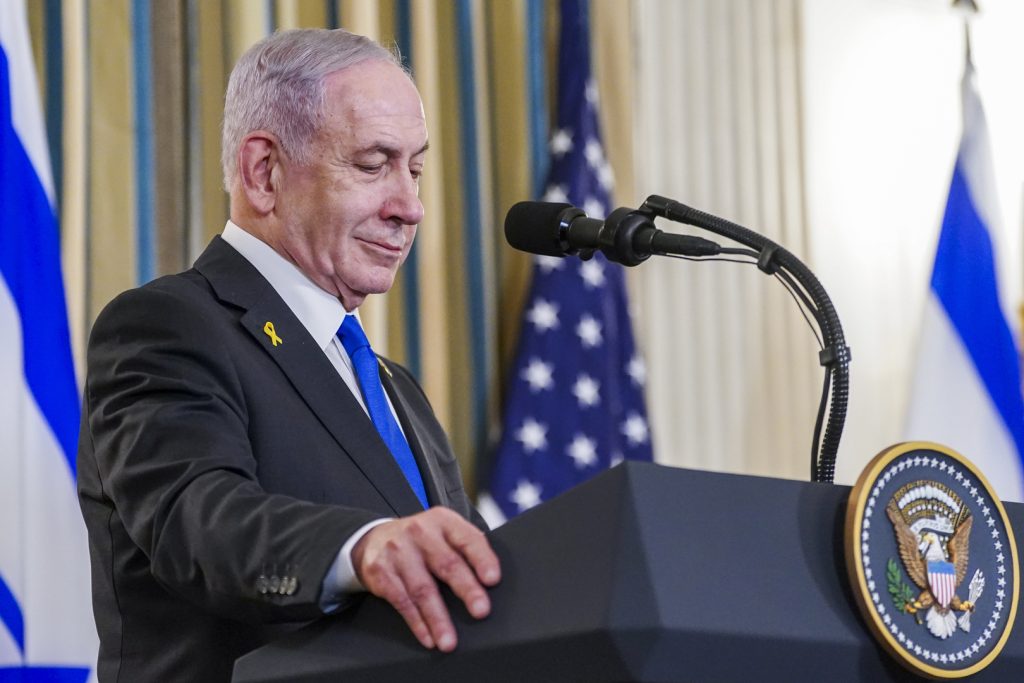
Israeli Prime Minister Benjamin Netanyahu’s apology to Qatari Prime Minister Mohammed bin Abdulrahman Al Thani for an airstrike targeting Hamas leaders in Doha has ignited a wave of anger within Israel.
Israeli officials harshly criticized the move, describing it as “humiliation and subservience,” though there was limited support viewing it as a “painful necessity” to achieve the strategic goal of recovering hostages from Gaza.
Netanyahu issued the apology to Qatar during a phone call from the White House, where he met with U.S. President Donald Trump, at the latter’s direct initiative and mediation.
According to diplomatic sources, Trump asked Netanyahu to explicitly apologize for violating Qatari sovereignty as part of broader efforts to realign relations between Israel and Qatar and advance ceasefire negotiations and a prisoner exchange deal.
The White House later confirmed that the call between Trump, Netanyahu, and Qatar’s Emir Sheikh Tamim bin Hamad Al Thani was “constructive,” with the U.S. president expressing his desire to “put Israel-Qatar relations on a positive track after years of misunderstanding and tension.”
Officials added that “Netanyahu expressed deep regret for the unintentional killing of a Qatari security officer during a military operation targeting five Hamas operatives in Doha,” referring to the early September “Summit of Fire” operation.
The operation, which resulted in the deaths of two aides to Hamas leaders alongside the Qatari security officer, angered Doha and prompted urgent U.S. intervention to contain the crisis, especially given Qatar’s pivotal role as a key mediator between Israel and Hamas in hostage release negotiations.
However, within Israel, the apology was not welcomed. On the contrary, it quickly became a fierce political battleground spanning the far right to the far left.
The harshest critic was Finance Minister and leader of the Religious Zionism party, Bezalel Smotrich, who called the apology a “humiliating apology” and a “disgrace.”
Smotrich wrote on his platform: “Today is the anniversary of the Munich Agreement (September 29, 1938). As then, so today, Winston Churchill’s famous words resonate: England could choose between shame and war, it chose shame, and therefore will also get war. Apologizing to a state that funds and supports terrorism is not only weakness but a betrayal of principles.”
Meanwhile, National Security Minister Itamar Ben-Gvir defended the raid in Doha, stating: “Targeting the perpetrators of the October 7 massacre in a hostile country like Qatar was a critical, just, and unparalleled moral act… It is time to tell the world the truth: Qatar is a state that supports, funds, and incites terrorism. No money in the world can wash the terrorism from its hands.”
National Missions Minister Orit Strook expressed her displeasure sarcastically, questioning: “Did the Emir of Qatar apologize to the Prime Minister for the October 7 massacre?” noting that Netanyahu apologized to the Qatari Prime Minister, not the Emir, a move some saw as downplaying the event.
Conversely, Israel Beiteinu party leader Avigdor Lieberman sharply criticized Netanyahu personally, saying: “It is unreasonable for Netanyahu to apologize to Qatar, which has yet to condemn the October 7 massacre, while he has never apologized to the people of Israel for the thousands killed, assaulted, and kidnapped during his tenure.”
Yair Golan, leader of the Democratic Party, described the move as “humiliation,” writing: “Unbelievable. He did not apologize to the families of the abandoned captives, nor to the families of victims who lost loved ones, nor to the kibbutzim that were burned, nor to the parents of fallen soldiers or hundreds of thousands of reservists sold to the ultra-Orthodox. But he apologized to the Prime Minister of Qatar!.. Netanyahu apologized to the man who funded the October massacre with hundreds of millions, whose money built tunnels, bought weapons, killed Jews, and kidnapped families. Before this enemy of Israel, this anti-Jew, Netanyahu humbled and bowed. Netanyahu is weak and submissive. He was and will remain a strategic partner to Hamas and Qatar. He will not be forgiven neither this Yom Kippur nor the next hundred Yom Kippurs.”
Golan added: “What deal can be made with those who fund killers? What negotiations with those who embrace terrorism? If we truly want to end Hamas, we must first end dependence on Qatar and its policies.”
On the other hand, there were limited voices supporting the step. Innovation, Science, and Technology Minister Gila Gamliel defended Netanyahu, stating in an official statement: “Mr. Prime Minister, we express our full confidence in your leadership and diplomatic and security policies. Your vast experience and wise decisions form a steady pillar in these difficult times. We are confident that your decisions stem from a deep responsibility towards Israel’s future. Together we will continue to strengthen the nation’s security and enhance its standing in the world. The people stand behind you with determination and pride.”
Meanwhile, MK Gilad Kariv linked the apology to the “Qatar Gate” affair, involving suspicions of Netanyahu’s close associates receiving money from Doha. Kariv said: “What a gap between Netanyahu’s provocative speech after the attack on Qatar and his humiliating apology to the hosts of terrorists! This is the fate reached when you fund a deadly terrorist organization for years and allow a hostile government access to your office instead of making brave decisions. Hostages must be returned. The war must end. Qatar’s agents must be expelled from here.”
Even among the far right, statements included sharp sarcasm. Heritage Minister Amichai Eliyahu joked: “Mr. Prime Minister, the only apology the Qataris deserve is that we failed to wipe those damn people off the face of the earth.”



Recommended for you
Al-Jaghbeer: The Industrial Sector Leads Economic Growth
Talib Al-Rifai Chronicles Kuwaiti Art Heritage in "Doukhi.. Tasaseem Al-Saba"
Exhibition City Completes About 80% of Preparations for the Damascus International Fair Launch
Unified Admission Applications Start Tuesday with 640 Students to be Accepted in Medicine
Egypt Post: We Have Over 10 Million Customers in Savings Accounts and Offer Daily, Monthly, and Annual Returns
His Highness Sheikh Isa bin Salman bin Hamad Al Khalifa Receives the United States Ambassador to the Kingdom of Bahrain