









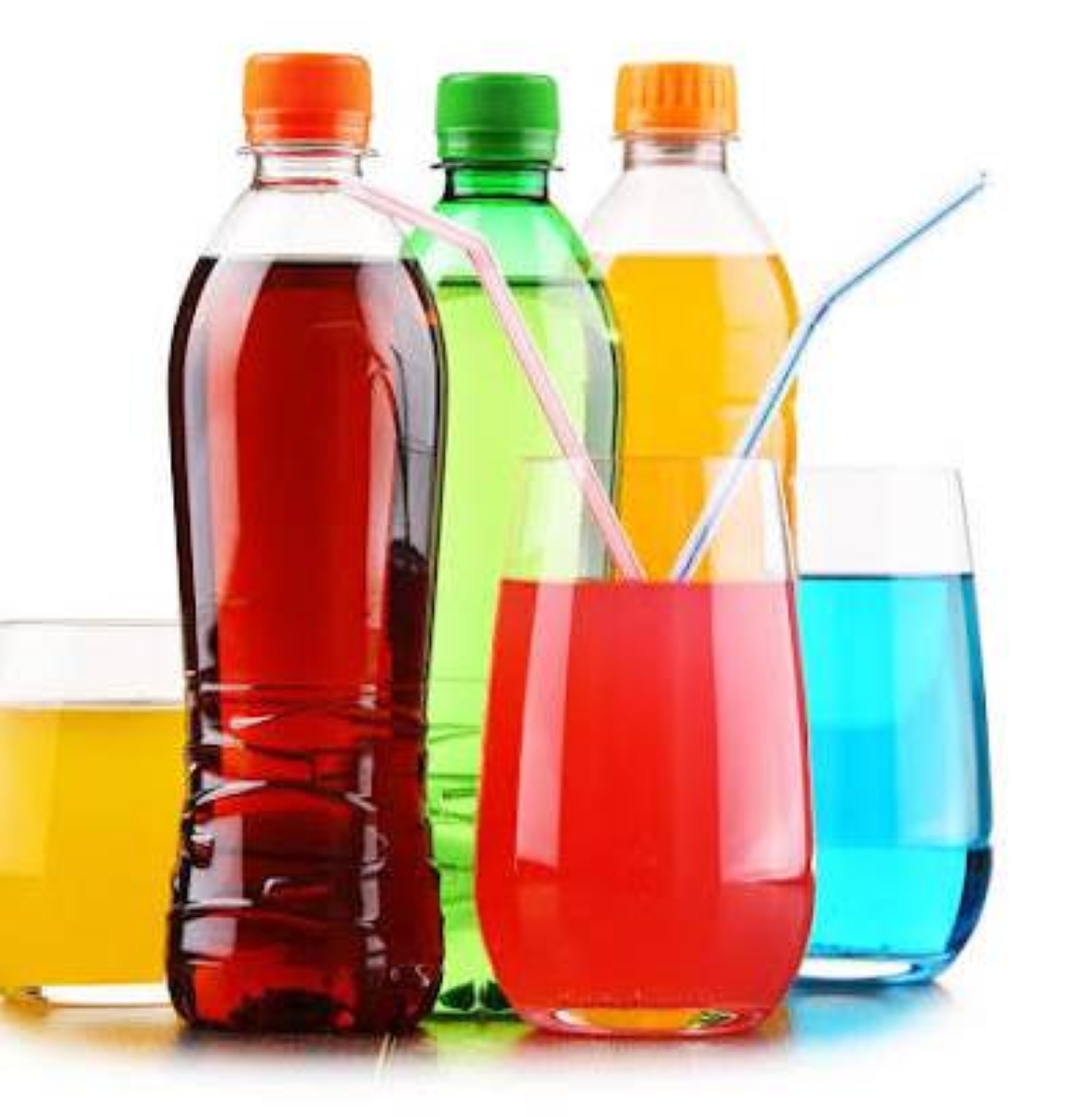
The Zakat, Tax and Customs Authority has proposed an amendment to the Excise Tax Regulations, introducing a graduated system of four tax brackets for sweetened beverages to create a direct economic incentive for producers to reformulate their products and reduce sugar content.
Under the new mechanism, if approved, sugar-free beverages or those containing low amounts of sugar (less than 5 grams per 100 milliliters) will be fully exempt from tax, with a tax value set at “zero riyals per liter.” This sends a clear message to the market and consumers that healthy choices will bear no additional tax burden. The amendment reflects Saudi Arabia’s adoption of best global practices in using tax policies to encourage producers to innovate healthy alternatives and guide consumers toward less harmful options.
This initiative aligns with the broader goals of Vision 2030 to build a vibrant society and an integrated health system.
Conversely, the tax value increases with higher sugar content; medium-sugar beverages (5 to 7.99 grams) will be subject to a tax of 0.79 riyals per liter, while high-sugar beverages (8 grams or more) will face the highest tax bracket of 1.09 riyals per liter. This means that products more harmful to health bear the greater tax burden, which may be reflected in their final retail price.
The amendments also include establishing an unprecedented regulatory tool requiring all importers and producers to register every excise item with the authority before releasing it for consumption.
The amendment grants the authority broad powers to ensure the accuracy of submitted information, including the ability to suspend or cancel the registration of any item or prevent it from entering the market if data inaccuracies are proven, especially those related to components used to calculate the tax, such as sugar content. The amendments also allow the authority to demand certified laboratory results from companies to confirm the accuracy of their data, placing the burden of proof on producers and importers and enhancing market transparency.
Other proposed changes include the obligation for taxpayers to self-report any errors in their tax returns within 15 days of discovery, with broader powers to conduct tax assessments or reassessments, including imposing late penalties on underpaid taxes.
The amendments clarify the tax calculation mechanism for concentrated products and powders, which will be taxed based on the final diluted beverage according to instructions on the packaging, with the authority’s governor empowered to determine the methodology if the instructions are unclear.
The minimum quantity required to obtain a “tax warehouse” license has been raised to 2.5 million liters annually of beverages, aiming to allocate these licenses to establishments with significant commercial activity.




Recommended for you
Al-Jaghbeer: The Industrial Sector Leads Economic Growth
Alternative to UNIFIL Forces
Egypt Post: We Have Over 10 Million Customers in Savings Accounts and Offer Daily, Monthly, and Annual Returns
Talib Al-Rifai Chronicles Kuwaiti Art Heritage in "Doukhi.. Tasaseem Al-Saba"
Exhibition City Completes About 80% of Preparations for the Damascus International Fair Launch
Trump Advisor: Disarming Hamas is Central.. Palestinian Authority to Take Over Gaza After Required Reforms