







The IMF Fall Meetings will bring together political, financial, academic, and economic delegations from around the world, including central bank governors, finance ministers, and representatives from all international, financial, and rating organizations, under the auspices of the IMF and the World Bank.
The priorities and agenda of these important meetings will begin with a general session focusing on international economic changes, followed by a session on economic policies for finance and development. Attention will also be given to rampant inflation shaking the world, currency collapses, promotion of digital currencies, climate change, fighting corruption, terrorism financing, poverty eradication, and financing for development.
Several committee sessions will focus on redevelopment, global economic growth, job creation, and reducing the crippling unemployment affecting most countries. There will be sub-meetings on refinancing struggling countries and post-war reconstruction in various regions.
A dedicated session on financial and monetary matters will discuss liquidity withdrawal and injection to control inflation, as well as an in-depth study on converting cash liquidity to digital liquidity, with close monitoring to combat corruption and money laundering.
Regional sessions will be divided by area, with several sub-sessions for Lebanon to follow up on the desired recommendations. The Fall Meetings will conclude with a press conference presenting the outcomes and recommendations for the next phase and key points for the Spring 2026 meetings.
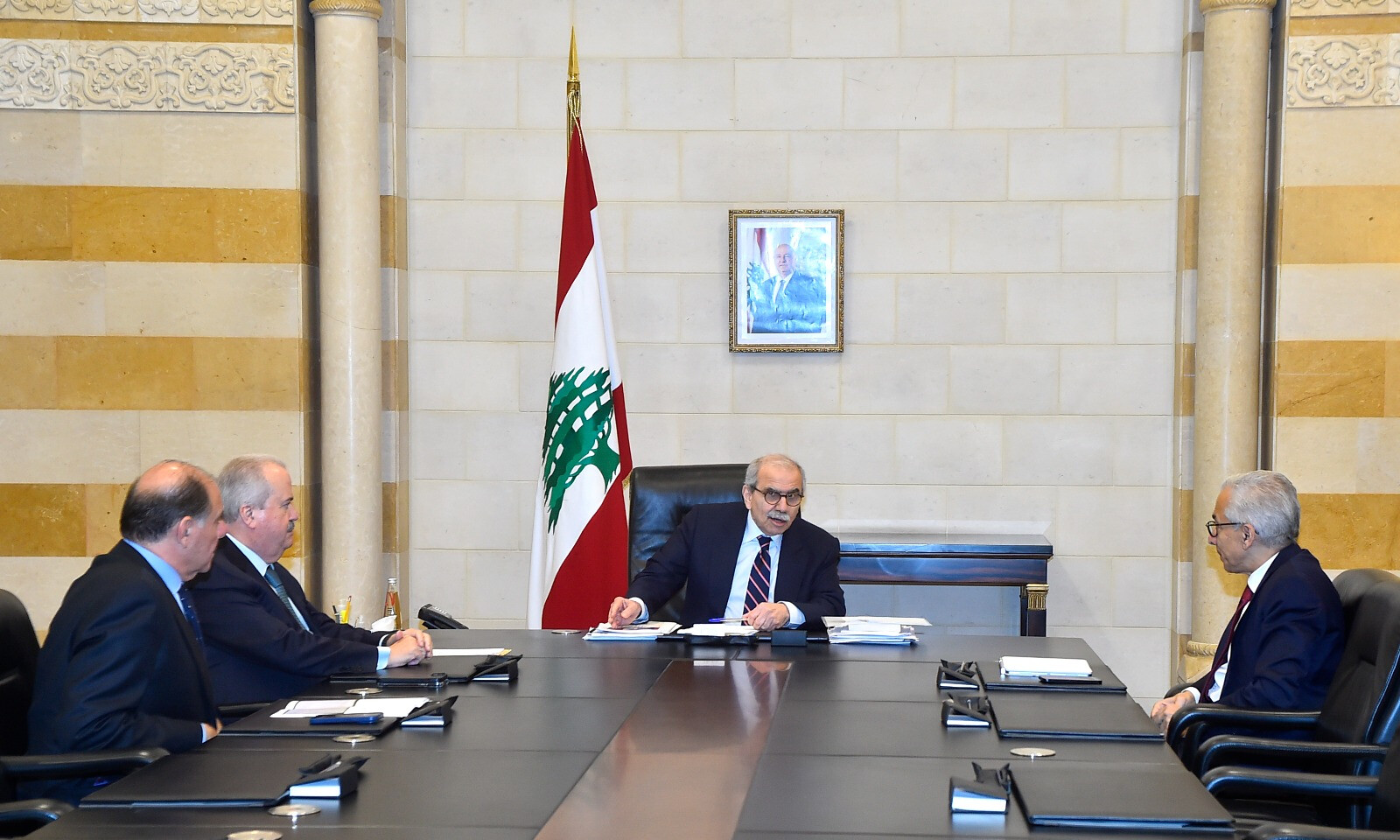
Regarding Lebanon-specific sub-meetings, the IMF regional team will follow up on requirements and recommendations resulting from its delegations’ visits to Lebanon, which occurred twice in 2025 (March and June). Officials will discuss implementing required reforms and laws, and review the draft 2026 budget under committee consideration.
The Lebanese delegation will focus on implementing the anti-corruption and anti-money laundering law passed last year, address the banking sector restructuring project and the explanations required by the Constitutional Council, and present the financial gap project, without which economic recovery and rebuilding trust step-by-step are impossible.
Additionally, the IMF will discuss its plan and implementation to remove Lebanon from the FATF grey list and the European Commission’s blacklist.
Ultimately, Lebanon’s participation in these international meetings is very important, but more important than mere participation and applause is actual engagement, implementation, and follow-up on promises and strategies. We remain far from any serious agreement with the IMF for financing. Is the Lebanese delegation’s participation just for appearances, or is there a real intention to implement reforms and rebuild and develop our beloved country?
We hope the Lebanese delegation presents not just plans and intentions but a unified vision for Lebanon’s future, genuine commitment to reform, and a plan to build a strong state that asserts its authority over all Lebanon and all Lebanese without exception. The delegation must represent one united Lebanon, not a divided Lebanon of mafia-like factions.

Recommended for you
Al-Jaghbeer: The Industrial Sector Leads Economic Growth
Alternative to UNIFIL Forces
Egypt Post: We Have Over 10 Million Customers in Savings Accounts and Offer Daily, Monthly, and Annual Returns
Talib Al-Rifai Chronicles Kuwaiti Art Heritage in "Doukhi.. Tasaseem Al-Saba"
Exhibition City Completes About 80% of Preparations for the Damascus International Fair Launch
Trump Advisor: Disarming Hamas is Central.. Palestinian Authority to Take Over Gaza After Required Reforms