









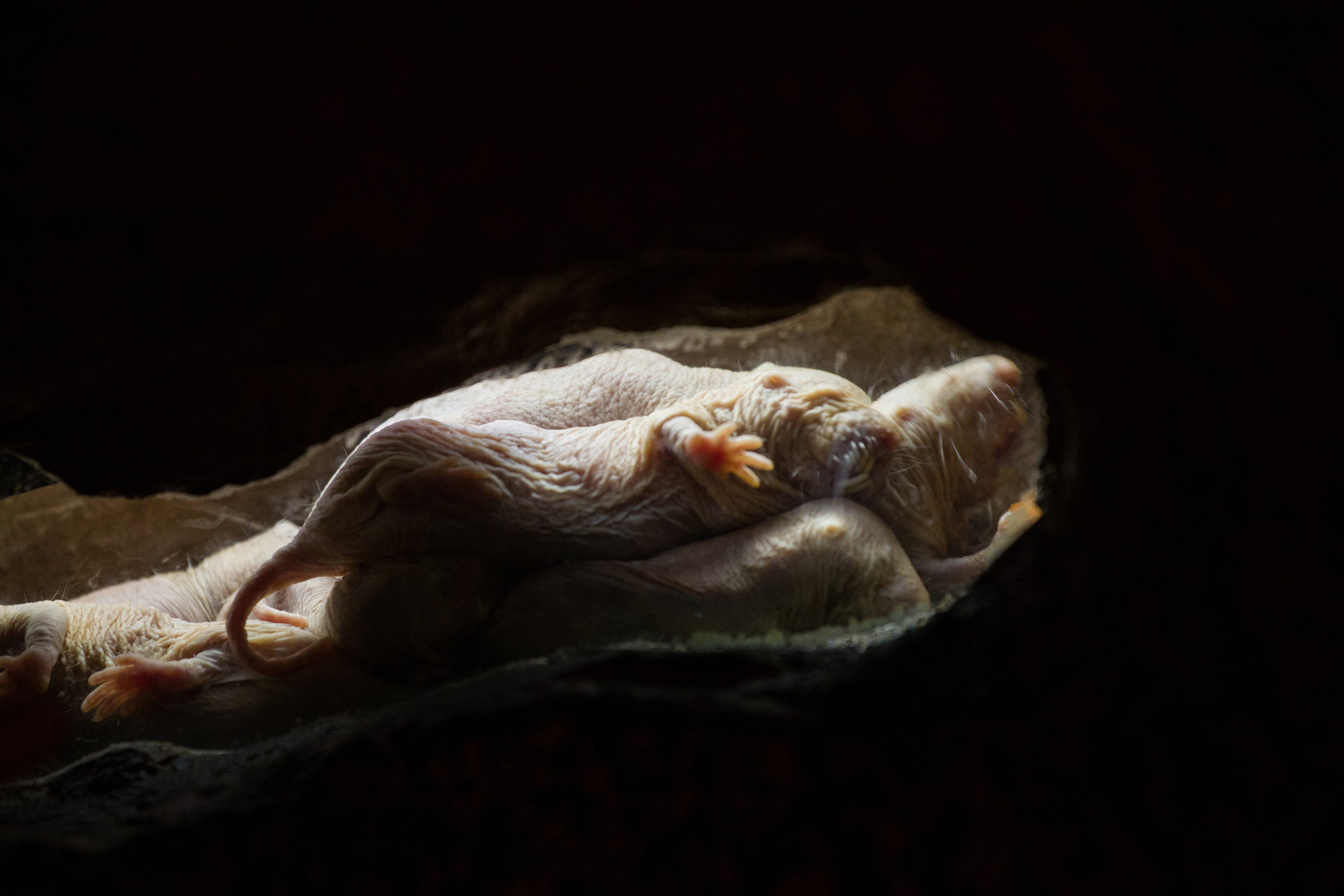
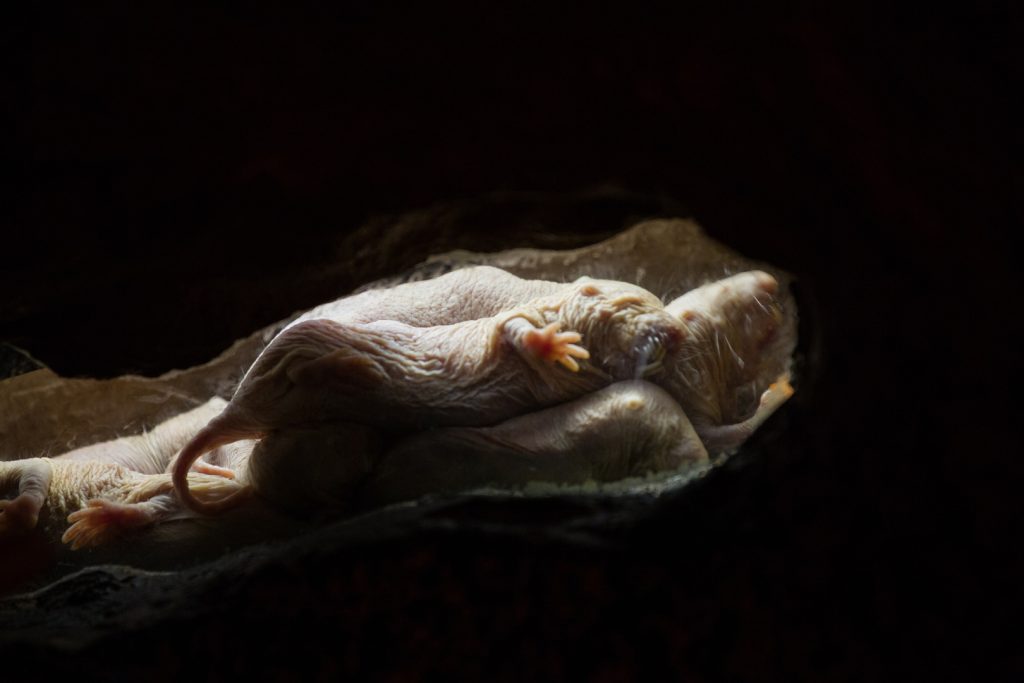
Despite its strange appearance, this naked mole-rat is highly regarded scientifically due to its exceptional resistance to cancer and its long lifespan, which can reach up to about 40 years.
A recent study published in the journal Science indicated that these underground creatures have developed a unique genetic mechanism for DNA repair, which is believed to be the key to their ability to live longer.
Researchers from Tongji University in Shanghai explained that these rodents have evolved mutations in the cGAS protein, responsible for detecting DNA damage and triggering immune responses. The results revealed that these mutations enhance the repair of genetic damage associated with aging, unlike in humans and mice where this protein hinders the repair process.
Scientists believe that this difference in protein function may explain the naked mole-rat’s remarkable longevity. They also pointed out a striking paradox: the genetic makeup of this creature is closer to humans than to mice, making it a valuable research model for studying aging.
Professor Gabriel Balmus, a neuroscientist at the University of Cambridge, told the BBC: “We are witnessing an exciting discovery, which may be just the first step in understanding the secrets of longevity in these creatures.”
The professor added, “If we can mimic the biological engineering of the naked mole-rat, we might be able to develop revolutionary treatments to combat aging that the world desperately needs.”
In a parallel analytical article, biologist John Martinez noted that Chen and colleagues’ study revealed an “unexpected role” for the cGAS protein in the nucleus of naked mole-rat cells, confirming that the secrets of long life are more complex than previously thought.



Recommended for you
Al-Jaghbeer: The Industrial Sector Leads Economic Growth
Egypt Post: We Have Over 10 Million Customers in Savings Accounts and Offer Daily, Monthly, and Annual Returns
Alternative to UNIFIL Forces
Talib Al-Rifai Chronicles Kuwaiti Art Heritage in "Doukhi.. Tasaseem Al-Saba"
Exhibition City Completes About 80% of Preparations for the Damascus International Fair Launch
Trump Advisor: Disarming Hamas is Central.. Palestinian Authority to Take Over Gaza After Required Reforms