









Thirty years ago, Willy Cruz was shocked when he learned that the oil refinery where he worked in Southern California was closing.
Cruz, 61, who now lives in Arizona, spent five years working in the environmental department when the oil company “Bourain” announced it would close its plant in Santa Fe Springs, southeast of Los Angeles. Fearing he might be laid off again if he continued in the sector, Cruz sought respiratory treatment partly due to his asthma and joined a federal vocational training program. He said, “I thought it was great, you know. Moving from pollution to environmental help, isn’t that nice?”
Job Losses
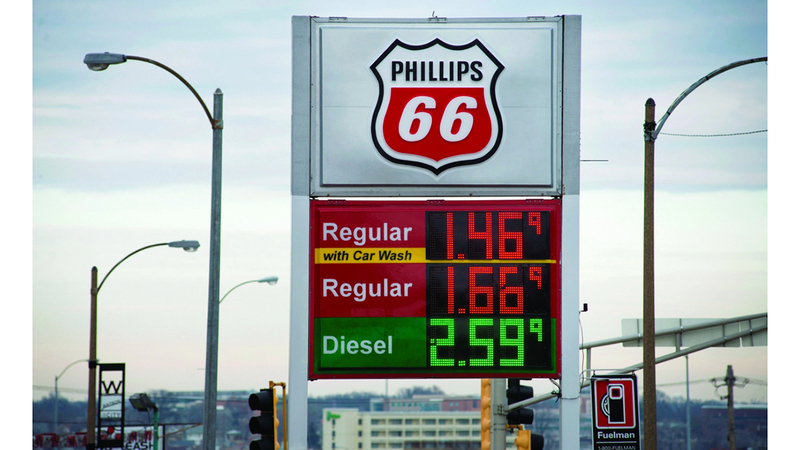
Cruz now advises his son, Wilfredo, as the Phillips 66 refinery in Los Angeles—where Wilfredo worked for 12 years—is planning to close by the end of October.
Thousands, possibly tens of thousands, of workers may lose their jobs in the coming years as California seeks to reduce its reliance on fossil fuels.
Earlier this year, energy company Valero announced it would close a refinery in the California Bay Area.
Prominent California Democrats face challenges dealing with job losses and rising gas prices due to the state’s climate policies.
Meanwhile, state energy regulators are negotiating to keep the Valero plant open and recently withdrew a proposal to penalize oil companies for high profits. Governor Gavin Newsom signed legislation to speed up oil well permits in the Central Valley, a move following years of his statements challenging major oil companies. These mixed messages have left oil workers uncertain about their future, fearing refinery closures.
Market Dynamics
By 2024, California became the eighth-largest crude oil producer in the U.S., down from third in 2014, according to the U.S. Energy Information Administration. The Valero and Phillips 66 refineries scheduled to close represent about 18% of California’s refining capacity, according to state energy regulators. These refineries produce jet fuel, gasoline, and diesel.
Phillips 66 announced it would begin closure procedures this month and end active fuel production by the end of 2025. The closure is based on multiple factors and “in response to market dynamics.”
This announcement followed the governor signing a law last year aimed at preventing fuel price spikes, allowing energy regulators to require refineries to keep a certain amount of fuel on hand to avoid shortages during maintenance shutdowns. However, the company denied that its decision was related to the law.
Phillips 66 affirmed its commitment to treating all refinery workers fairly and respectfully throughout the process.
Restructuring
Valero announced plans to “restructure or cease refining operations” at its refinery in Benicia by the end of next April. The company did not respond to emails requesting comments on its plans. Benicia’s mayor, Mario Giuliani, said Valero pays about $7.7 million annually in taxes to the city, representing about 13% of Benicia’s revenue. He described the planned closure as having “a significant and devastating impact on the city.”
Source: The Hill




Recommended for you
Al-Jaghbeer: The Industrial Sector Leads Economic Growth
Alternative to UNIFIL Forces
Egypt Post: We Have Over 10 Million Customers in Savings Accounts and Offer Daily, Monthly, and Annual Returns
Talib Al-Rifai Chronicles Kuwaiti Art Heritage in "Doukhi.. Tasaseem Al-Saba"
Exhibition City Completes About 80% of Preparations for the Damascus International Fair Launch
Trump Advisor: Disarming Hamas is Central.. Palestinian Authority to Take Over Gaza After Required Reforms