








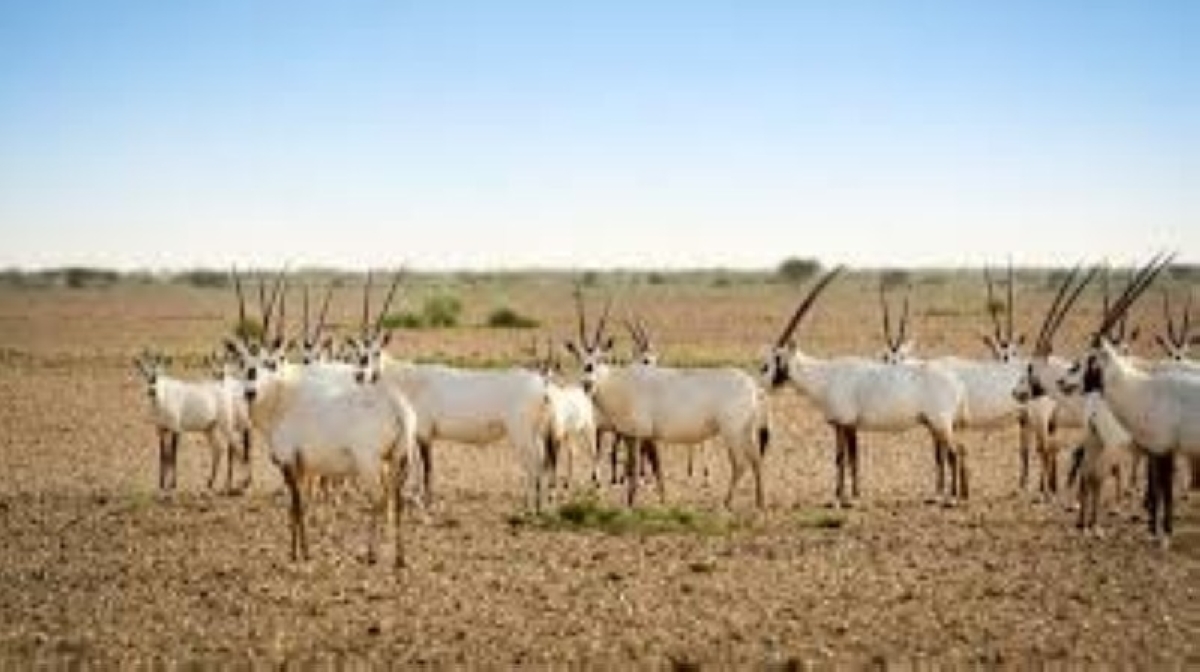
The Ministry of Environment has issued an updated draft regulation for protected areas to reinforce the protection of ecological systems and enhance efforts to preserve Saudi Arabia’s unique biodiversity. The regulation sets a strict framework balancing the protection of natural resources and the regulation of human activities within protected areas. Under the update, individuals entering or crossing protected areas will be subject to stringent controls and must obtain prior authorization from the competent authority.
The draft grants security companies inside protected areas the authority to inspect people and their vehicles at entry and exit gates, with the right to deny entry to any violators, recover any prohibited natural resources or organisms, and impose prescribed fines.
The regulation also grants supervising authorities flexibility to define protection zones exempted from the licensing requirement under certain controls, and allows issuing immediate licenses for emergency cases, such as search operations for missing persons or livestock, in direct coordination with regional emirates.
The draft emphasizes the prohibition of any activity within protected areas without a permit. The list of prohibitions includes possession or use of weapons and hunting tools, harming natural organisms, lighting fires outside designated areas, as well as banning grazing, farming, and mineral exploration without a license. It also prohibits driving vehicles off designated paths or exceeding speed limits, erecting buildings or camps outside approved sites, and conducting scientific research or collecting any natural organisms or their products without official permission, aiming to control all activities that could affect the delicate ecological balance of these areas.
The ministry requires obtaining a license from the National Center for Wildlife Development, which is only granted after proving private land ownership and full commitment to applying approved environmental protection standards. It confirmed that any violation of these protected areas will face penalties under the Environmental Law alongside private property protection laws.
The regulation strictly criminalizes any practices that may disrupt the natural balance, such as damaging facilities and boundary markers, releasing invasive or alien species, and bans filming and publishing environmental violations on social media without prior approval.




Recommended for you
Al-Jaghbeer: The Industrial Sector Leads Economic Growth
Alternative to UNIFIL Forces
Egypt Post: We Have Over 10 Million Customers in Savings Accounts and Offer Daily, Monthly, and Annual Returns
Talib Al-Rifai Chronicles Kuwaiti Art Heritage in "Doukhi.. Tasaseem Al-Saba"
Exhibition City Completes About 80% of Preparations for the Damascus International Fair Launch
Trump Advisor: Disarming Hamas is Central.. Palestinian Authority to Take Over Gaza After Required Reforms