








Dr. Rania Al-Mashat, Minister of Planning, Economic Development and International Cooperation, confirmed that the decision by Standard & Poor’s to raise Egypt’s credit rating from “B-” to “B” with a positive outlook confirms the positive impact of the economic and structural reforms implemented by the state.
She added that while the institution’s report expects the Egyptian economy to continue achieving strong growth in the coming period supported by vital sectors such as agriculture, telecommunications, tourism, and wholesale and retail trade, Egypt seeks through the “National Economic Development Narrative” to transform into an economic model based on the most productive sectors with greater access to export markets, contributing to changing the growth structure.
National Economic Development Narrative
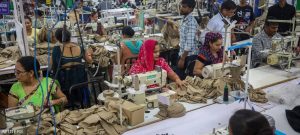
Al-Mashat explained that Egypt implements integrated policies through the “National Economic Development Narrative” by coordinating strategies for industry, trade, investment, and employment, enhancing the growth of production sectors and the real economy. She pointed out that growth indicators during the fiscal year 2024/2025, led by non-oil manufacturing industries as the highest contributors to growth, indicate this transformation and confirm the great potential available to the Egyptian economy.
She mentioned that Standard & Poor’s expects the positive impact on the current account deficit to continue, decreasing to 4% between 2026-2028, amid continued growth in goods and services exports and the state’s policy towards exchange rate flexibility.
Exchange Rate
The institution confirmed that the rating upgrade decision reflects reforms implemented by authorities since March 2024, including the liberalization of the exchange rate system, which led to a sharp rebound in GDP growth during the 2025 fiscal year.
The report also praised the continued implementation of comprehensive structural reforms addressing growth challenges by improving governance of public investments, state-owned companies, and expanding the role of the private sector. It confirmed the government’s ongoing commitment to the public investment ceiling, ensuring enhanced spending efficiency and directing it to priority sectors.
Revenues and Expenditures
In a related context, the report indicated that the government published for the first time revenue and expenditure data for 59 economic entities within the budget statement as of April 2024, reflecting the state’s commitment to financial transparency and public spending governance.
Dr. Rania Al-Mashat confirmed that the content of the Standard & Poor’s report aligns with the economic model proposed by the National Economic Development Narrative, aiming to achieve sustainable growth led by the private sector, focusing on the most productive sectors, and enhancing governance of public investments within a more efficient and transparent environment for managing public resources.



Recommended for you
Al-Jaghbeer: The Industrial Sector Leads Economic Growth
Alternative to UNIFIL Forces
Egypt Post: We Have Over 10 Million Customers in Savings Accounts and Offer Daily, Monthly, and Annual Returns
Talib Al-Rifai Chronicles Kuwaiti Art Heritage in "Doukhi.. Tasaseem Al-Saba"
Exhibition City Completes About 80% of Preparations for the Damascus International Fair Launch
Trump Advisor: Disarming Hamas is Central.. Palestinian Authority to Take Over Gaza After Required Reforms