









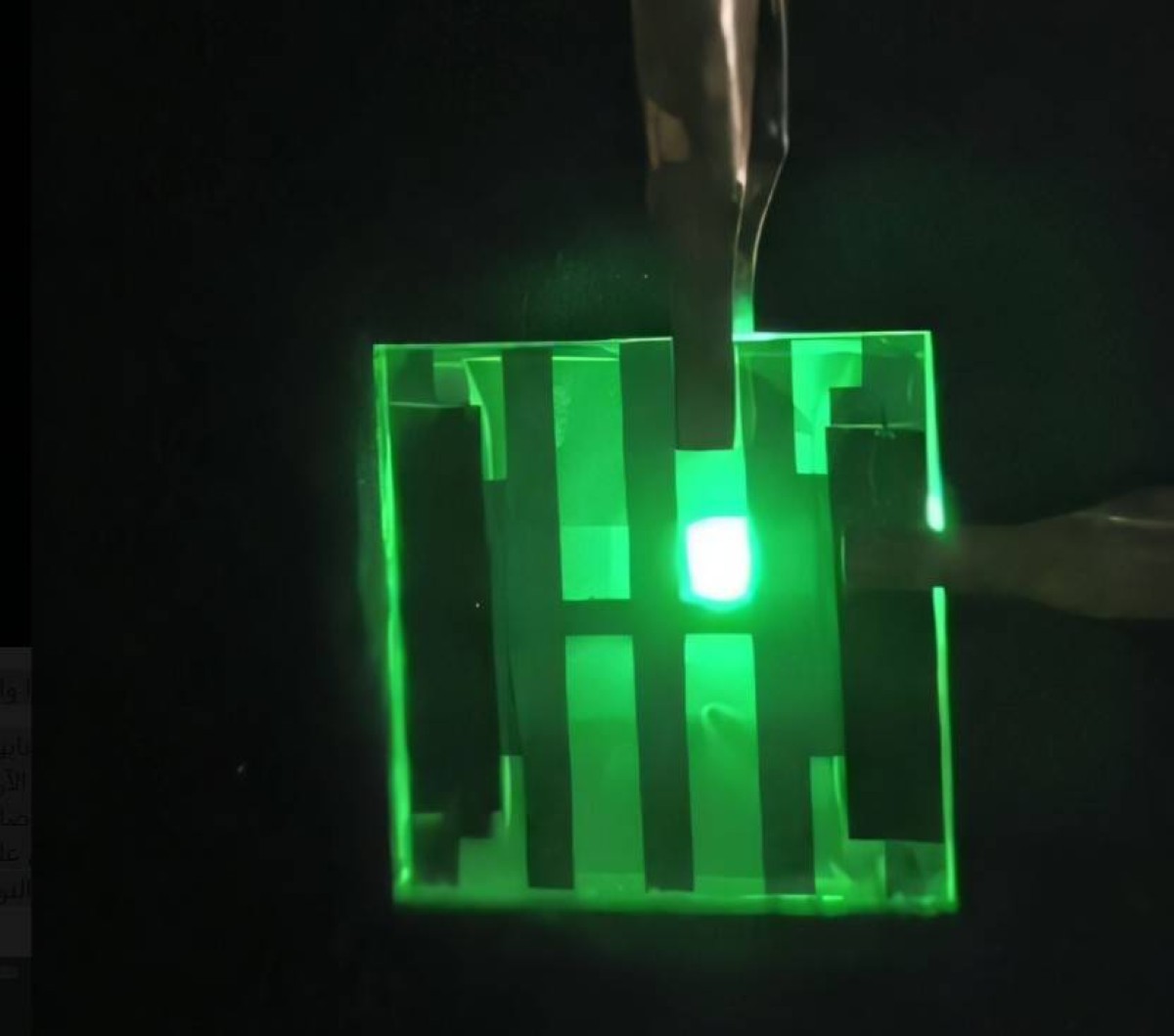
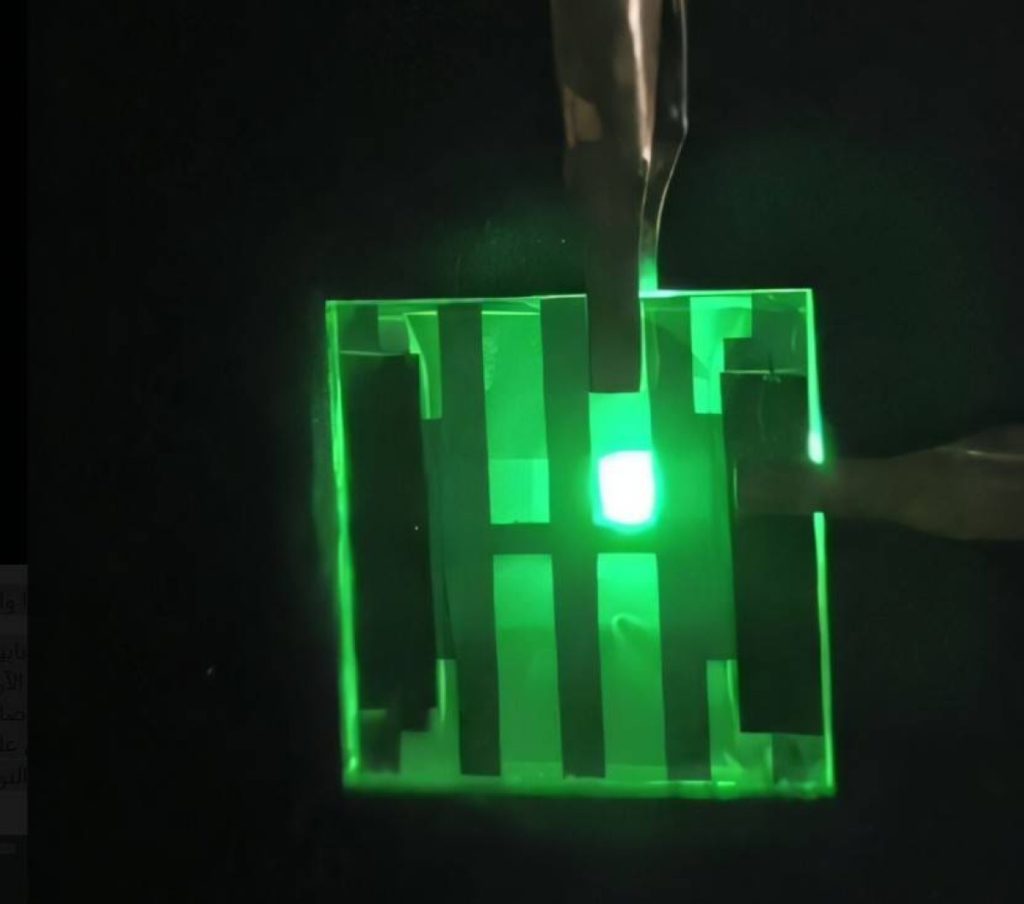
Researchers have succeeded in developing an ultra-thin LED lamp that emits warm natural light resembling sunlight, potentially revolutionizing lighting and electronic device displays.
The innovation details were published in the journal ACS Applied Materials & Interfaces, where the team explained that this technology can be used in the next generation of phone and computer screens, as well as indoor lighting that preserves eye health and sleep quality.
Professor Xianghua Wang, a co-author of the study, said: “This work has proven that it is possible to produce ultra-thin LED lamps based on quantum dots, capable of accurately simulating the full spectrum of sunlight,” according to techxplore.
He added that this type of lamp could bring a qualitative leap in eye-friendly screens, smart lighting systems in homes and offices, and even in agricultural and health applications.
It is known that artificial light often does not match the natural spectrum of sunlight, which may affect sleep rhythms and eye health. Therefore, researchers have been striving for years to create indoor lighting closer to natural light. Some previous attempts relied on flexible lamps containing phosphor dyes, but they could not achieve a balanced color distribution like daylight.
The new technology relies on quantum dots, which are nanoparticles that convert electrical energy into precise light colors. The research team led by Li Chen developed red, yellow-green, and blue quantum dots, then combined them in specific ratios to produce warm white light that mimics sunlight.
The lamp was built on very thin layers of conductive materials coated with thin metallic layers of zinc and sulfur, with a final layer of aluminum or silver.
The result was a lamp about as thin as wallpaper, making it suitable for flat screens or illuminated walls in the future.
In experiments, the lamp performed excellently at a low voltage (around 8 to 11 volts), emitting warm white light similar to sunset light, with a color rendering index of over 92%, meaning objects appear almost in their true colors.
Researchers expect this type of QLED lamp to be used in the future to design eye-friendly screens, smart lighting systems in homes, offices, hospitals, and even indoor plant lighting, as it can be adjusted to produce specific wavelengths suitable for growth needs or human mood.




Recommended for you
Al-Jaghbeer: The Industrial Sector Leads Economic Growth
Alternative to UNIFIL Forces
Egypt Post: We Have Over 10 Million Customers in Savings Accounts and Offer Daily, Monthly, and Annual Returns
Talib Al-Rifai Chronicles Kuwaiti Art Heritage in "Doukhi.. Tasaseem Al-Saba"
Exhibition City Completes About 80% of Preparations for the Damascus International Fair Launch
Trump Advisor: Disarming Hamas is Central.. Palestinian Authority to Take Over Gaza After Required Reforms