








By Iraqi Expert – Haider Abduljabbar Al-Battat
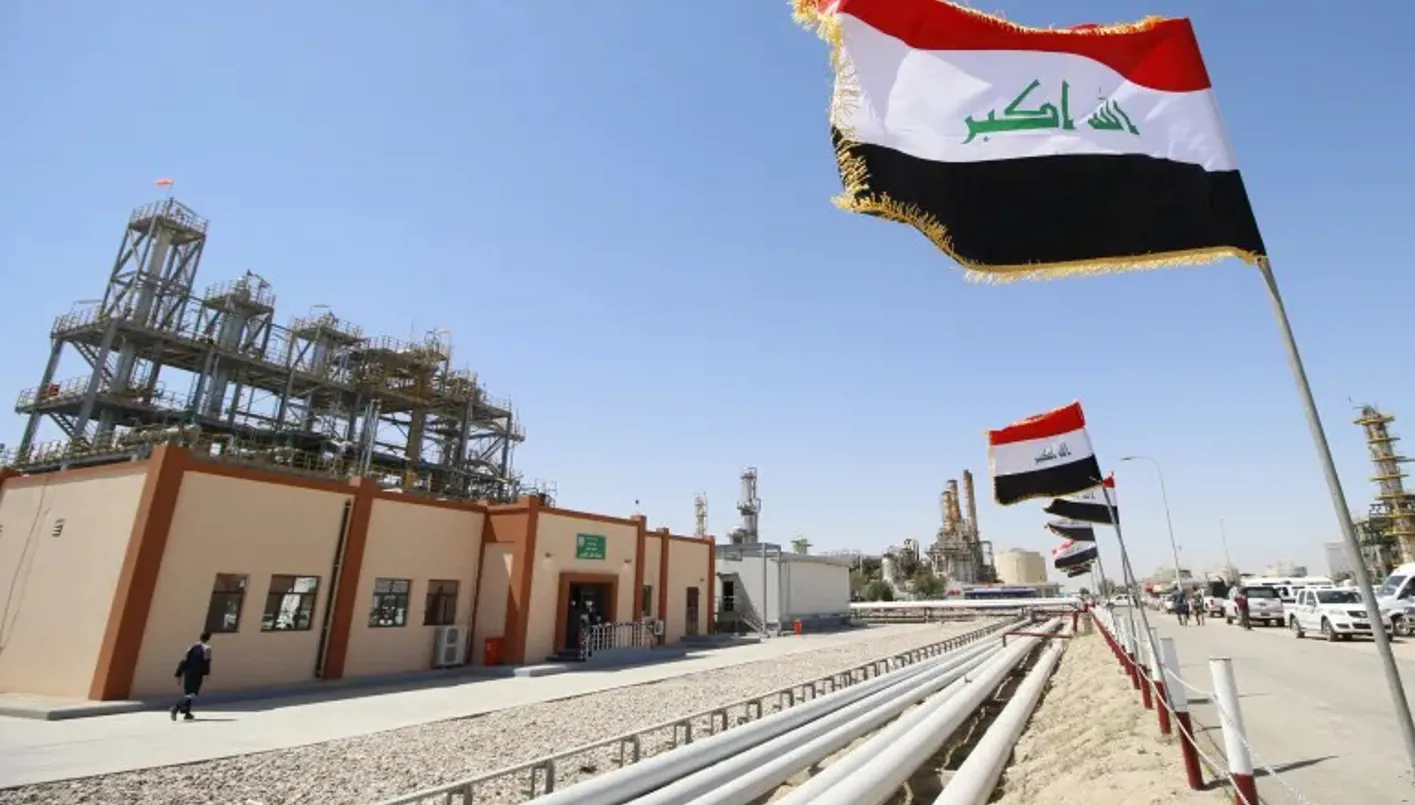
Today, the American company ExxonMobil returns to invest in the Majnoon oil field as if nothing happened and as if its previous record of failures and violations has been erased from memory.
The truth is that this return is not a step towards development but a fear of repeating the same gaps that cost Iraq billions of dollars in losses over the past decade.
First: – Flaw in Contract Philosophy
The contract signed with ExxonMobil represents a fundamental flaw in the philosophy of managing Iraq’s oil wealth in my opinion, as it allows foreign companies to enter and exit oil fields according to their commercial interests while Iraq bears the political and economic burdens.
The company that previously withdrew from West Qurna-1 field and sold its share to Basra Oil Company for $350 million had already recovered all its investment costs and even exceeded its profits by tens of times the actual cost if the work had been carried out by national effort.
With this model, oil contracts have turned from a developmental tool into speculative deals at the expense of the public interest.
Second: – Technical and Economic Gaps in Contract Implementation
ExxonMobil’s previous experience revealed a series of systematic errors, most notably:
- Unjustifiably high cost recovery levels that drained national rent in favor of the companies.
- Excessive production policy without maintaining reservoir pressures, which rapidly reduces the field’s lifespan and leads to the loss of huge amounts of oil that cannot be extracted in the future.
- Neglecting the investment of associated gas as contracts did not include real commitments to build gas processing plants, power generation, or water injection projects.
- Lack of environmental considerations in design and management, especially in southern regions where weak environmental commitments contributed to increased cancer rates and pollution in Basra.
Third: – Failure of Water Injection and Gulf Desalination Project
One of the company’s most prominent failures was the Gulf water desalination and water injection project in southern fields, which was supposed to maintain reservoir pressure and increase sustainable production.
However, the project was not implemented despite spending hundreds of millions of dollars, leading to significant deterioration of reservoir pressures, increased gas and water ratios in production, and worsening water crisis in the south. In my opinion, this is a huge waste of public money!
The company still uses river water for injection purposes, causing direct harm to millions of citizens in Basra, which constitutes a clear environmental and legal violation of the human right to clean water.
Fourth: – Political, Not Technical Withdrawals
ExxonMobil’s withdrawal from its previous projects was not for financial or technical reasons but purely political and commercial reasons related to the balance of American-Chinese influence in Iraq’s oil sector.
Today, its return under new circumstances is not in Iraq’s favor but serves its geopolitical interests linked to controlling production and export mechanisms in the south.
The so-called (General Principles Agreement) to develop Majnoon field should not be understood as an innocent investment agreement but as part of a political repositioning of energy in the region.
Fifth: – Mistake of Assigning Producing Fields to Foreigners
It is legally and economically unacceptable to assign producing fields managed by national effort to foreign companies under partnership or development formats.
Iraq today is restricted by production quotas from OPEC Plus, meaning that an increase in production by a foreign company corresponds to a reduction in production from national fields — effectively transferring rent from the state to foreign companies without increasing the total quota.
Moreover, such assignments cause Iraq to lose control over managing its resources and increase unemployment by reducing national job opportunities.
Sixth: – Previous Legal Violations
ExxonMobil is no stranger to violating Iraqi sovereignty legally.
In 2011, the company signed contracts with the Kurdistan Region without the approval of the federal government, which constituted a violation of the Iraqi constitution and led to a long legal dispute that delayed oil revenue distribution.
The company also previously failed to comply with the Ministry of Oil’s requirements for full financial disclosure and did not provide accurate reports on actual project expenditures.
Seventh: – Responsibility of the Iraqi Government
The Iraqi government today faces a real test: will it repeat past mistakes and allow the reproduction of the (Enter – Profit – Exit) model, or will it make a bold sovereign decision to restructure the oil contracts system?




Recommended for you
Al-Jaghbeer: The Industrial Sector Leads Economic Growth
Egypt Post: We Have Over 10 Million Customers in Savings Accounts and Offer Daily, Monthly, and Annual Returns
Alternative to UNIFIL Forces
Talib Al-Rifai Chronicles Kuwaiti Art Heritage in "Doukhi.. Tasaseem Al-Saba"
Exhibition City Completes About 80% of Preparations for the Damascus International Fair Launch
Unified Admission Applications Start Tuesday with 640 Students to be Accepted in Medicine