









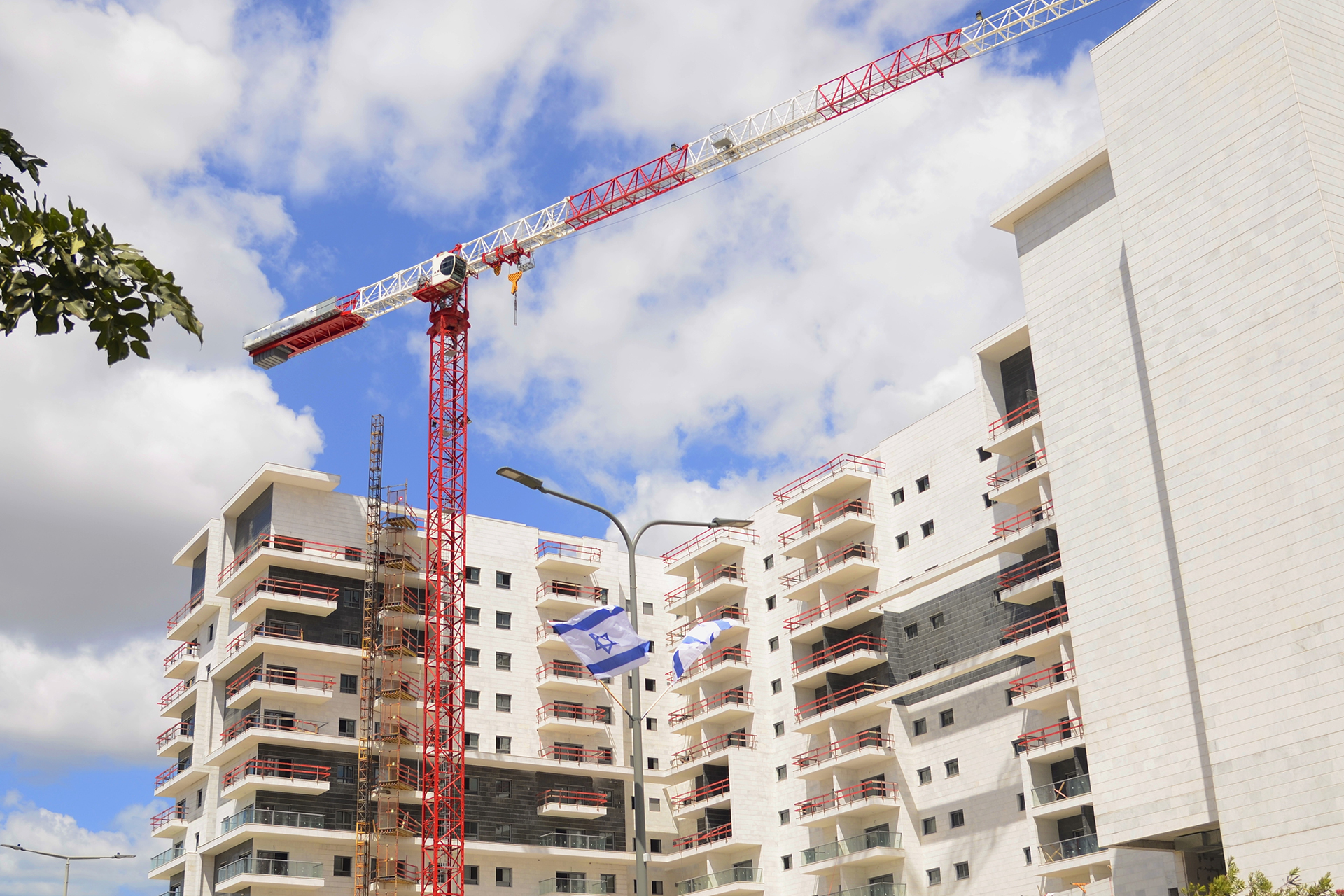
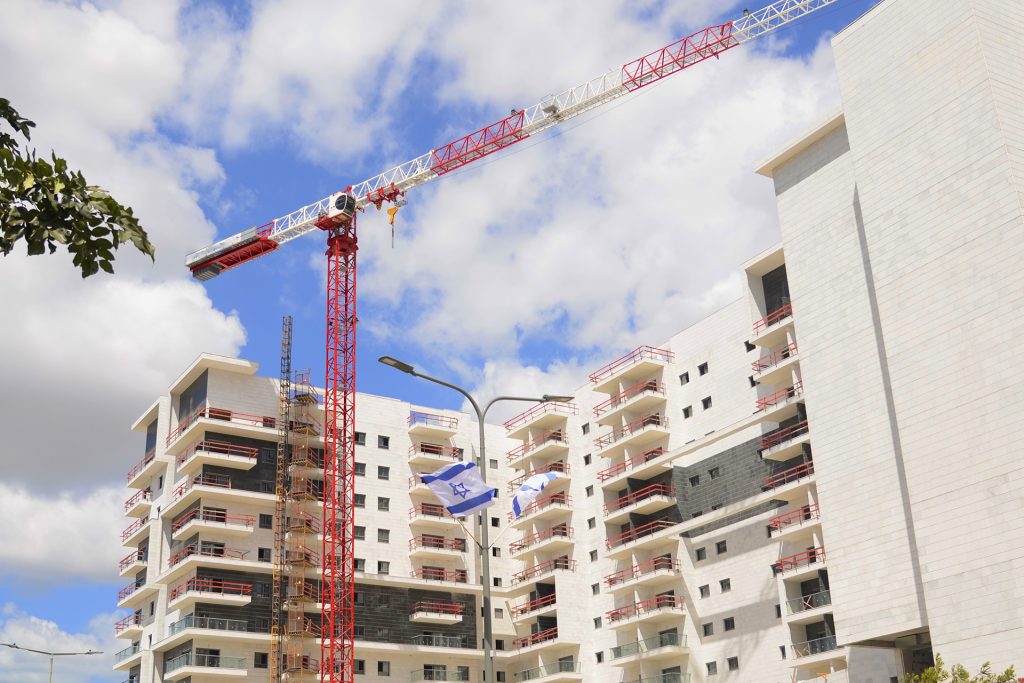
The recent agreement between Israel and Hamas on the first phase of Trump’s plan for a ceasefire and prisoner exchange in the Gaza Strip has sparked a “wave of overwhelming optimism” in the Israeli real estate market, with sharp jumps in real estate company stocks. However, Globes newspaper warned that this rapid rise may conceal a “new financial bubble” amid unstable economic fragility.
Sudden Boom in the Real Estate Market
According to Globes, shares of major real estate development companies in Israel rose during yesterday’s trading following the announcement of the agreement, with “Shikun & Binui” shares up 10.5%, “Israel Canada” up 10%, and “Azorim” up 9%.
The Tel Aviv Stock Exchange construction index rose about 7%, and the real estate index by 5%, marking some of the largest sectoral increases in recent months.
The newspaper explained that investors “are betting that the end of the war will pave the way for a new interest rate cut at the upcoming Bank of Israel meeting in November,” noting that this potential cut “would reduce financing costs for real estate companies and increase purchase demand.”
Bets on the Return of Foreign Workers and Investors
Avishai Ben Haim, CEO of Rothstein Real Estate, described the agreement as a “critical turning point that restores the confidence the market has been seeking since the outbreak of the war,” expecting a series of economic developments including “interest rate cuts, the return of investors, and buyer activity after a long waiting period.”
He added that the return of foreign workers who “avoided coming to Israel during the war” will help “reduce construction costs and accelerate projects.”
Businessman Yossi Avrahami, head of Avrahami Company, saw the agreement as potentially “opening the door for the return of Jewish investors from abroad,” with the possibility of lower building material prices due to improved supply chains.
Excessive Optimism and Underlying Risks
However, Globes noted that “the strong rise in real estate stocks does not necessarily reflect solid economic fundamentals,” pointing out that the Israeli market remains “burdened with debt and a rising government deficit.”
The newspaper warned that bets on interest rate cuts “may be exaggerated,” especially with the ongoing economic war in the Red Sea and continued export declines.
It explained that “the economy lives on confidence and movement, but excessive optimism could lead to a backlash if the agreement implementation falters or security tensions renew.”
Testing Confidence in the Coming Phase
Globes quoted analysts saying that “the current positive indicators are more like a temporary rebound,” and that the government will face a real test in its ability to achieve long-term market stability.
While some see the Gaza agreement as a “major turning point,” as Avrahami described it, others warn of “the real estate recovery turning into a bubble if not supported by genuine economic reforms.”



Recommended for you
Al-Jaghbeer: The Industrial Sector Leads Economic Growth
Alternative to UNIFIL Forces
Egypt Post: We Have Over 10 Million Customers in Savings Accounts and Offer Daily, Monthly, and Annual Returns
Talib Al-Rifai Chronicles Kuwaiti Art Heritage in "Doukhi.. Tasaseem Al-Saba"
Exhibition City Completes About 80% of Preparations for the Damascus International Fair Launch
Trump Advisor: Disarming Hamas is Central.. Palestinian Authority to Take Over Gaza After Required Reforms