









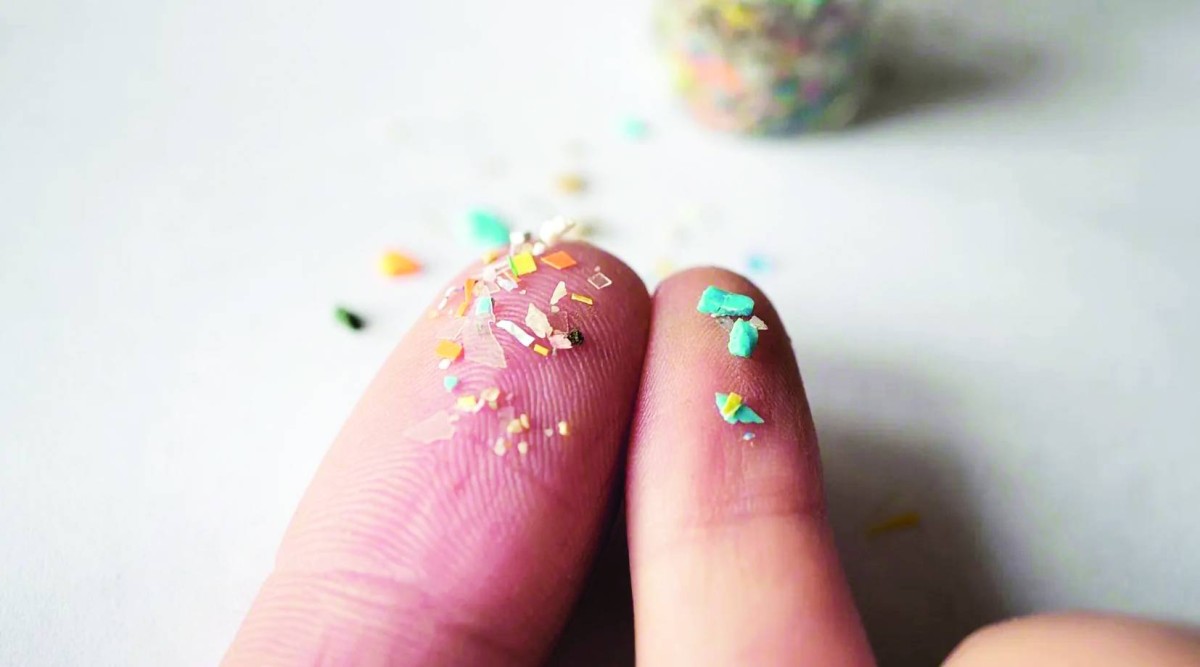
Laboratory experiments indicate that small plastic particles that find their way into the human gut can negatively affect the beneficial bacteria and other microbes that naturally live there, known as the gut microbiome.
Researchers at the European Society for Gastrointestinal Endoscopy conference held in Berlin reported that some changes caused by microplastic particles in gut microbes inside test tubes were similar to changes observed in cases of depression, colorectal cancer, and other diseases.
Previous studies revealed the presence of microplastic particles in samples from people and colon biopsies in a large proportion of volunteers.
The new study used samples from 5 healthy volunteers, where researchers cultured gut bacteria in the lab and then exposed them to five common types of microplastic particles at concentrations simulating what humans might encounter in daily life. Overall, the total bacterial count did not change.
However, bacterial cultures exposed to microplastic particles showed a significant decrease in acidity levels, indicating a change in the activity of biological processes carried out by bacteria in the gut to convert nutrients into energy or beneficial compounds.
Researchers also observed shifts in bacterial composition associated with microplastic particles.




Recommended for you
Al-Jaghbeer: The Industrial Sector Leads Economic Growth
Alternative to UNIFIL Forces
Egypt Post: We Have Over 10 Million Customers in Savings Accounts and Offer Daily, Monthly, and Annual Returns
Talib Al-Rifai Chronicles Kuwaiti Art Heritage in "Doukhi.. Tasaseem Al-Saba"
Exhibition City Completes About 80% of Preparations for the Damascus International Fair Launch
Trump Advisor: Disarming Hamas is Central.. Palestinian Authority to Take Over Gaza After Required Reforms