









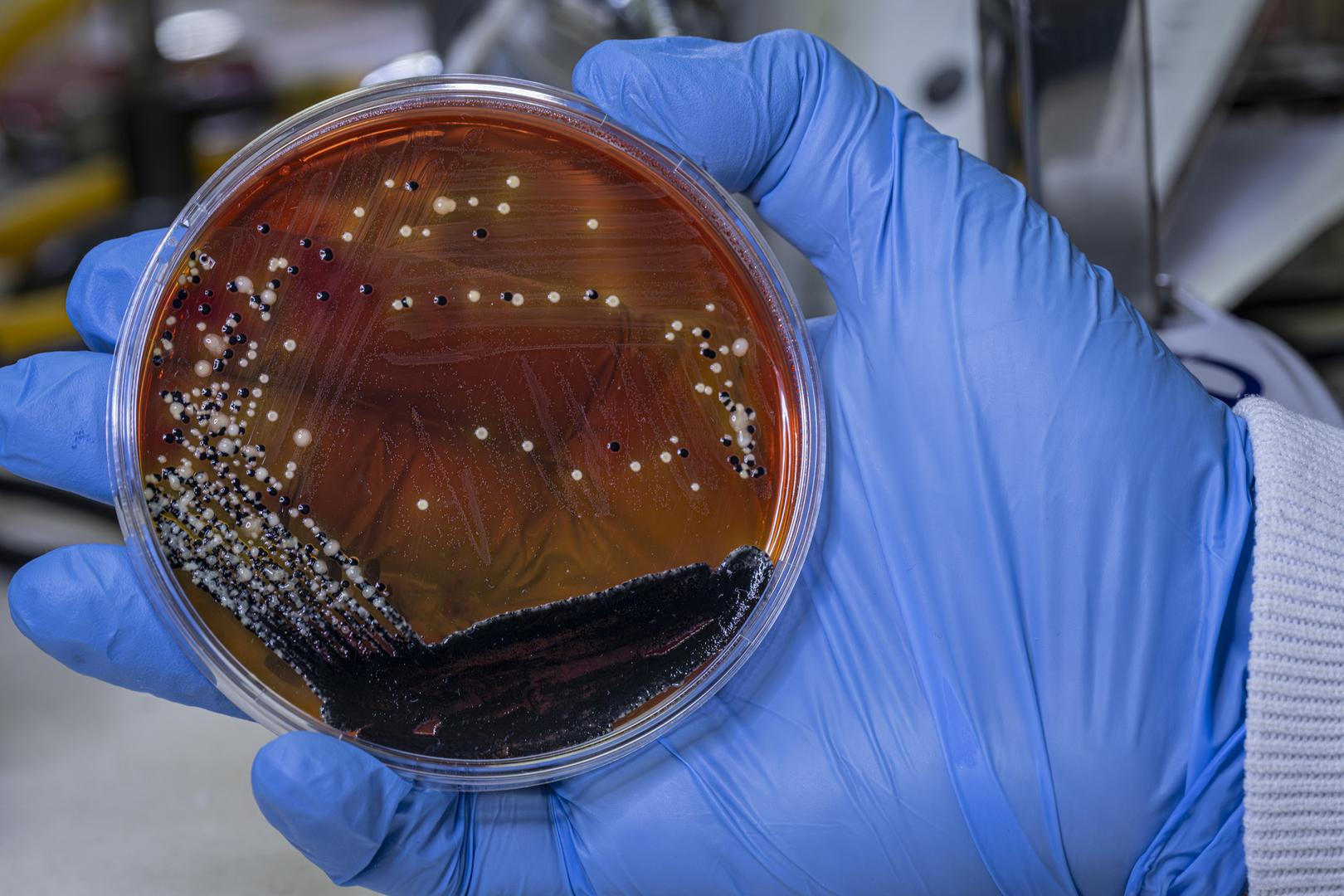
A recent scientific study revealed that human gut bacteria essential for health possess an astonishing ability to withstand the harsh conditions of space travel.
The Australian study demonstrated an unexpected resilience of Bacillus subtilis bacteria to the most extreme conditions of space missions, successfully surviving the launch and re-entry phases through Earth’s atmosphere, presenting scientists with new facts that have implications for the future of human space exploration.
In a unique experiment conducted by Australian researchers, spores of this bacteria – naturally residing in the human gut – were launched to the edge of space aboard a reconnaissance rocket reaching an altitude of 260 kilometers above Earth’s surface.
During its journey, the bacteria faced extremely harsh conditions, starting with acceleration forces reaching 13 times Earth’s gravity during launch, followed by six minutes of weightlessness, and then braking forces exceeding 30 times Earth’s gravity during re-entry, in addition to spinning at a rate of 220 revolutions per second.
After the samples returned to Earth and were examined, surprising results showed that the bacteria maintained their cellular structure completely intact with no significant impact on their growth capability.
These findings are highly significant for the health of astronauts on long-duration missions such as trips to Mars, where the body’s health balance heavily depends on the stability of the bacterial environment in the gut.
On the other hand, these results raise serious scientific warnings about the possibility of contaminating other planets with Earth bacteria, especially as space agencies worldwide prepare to send manned missions to Mars.
A previous study warned that some Earth bacteria could find the Martian soil a suitable environment to live in, threatening to confuse searches for indigenous Martian life and posing a potential risk to the health of the astronauts themselves.
This study highlights the urgent need to develop stricter protocols to protect the ecosystems of other planets while simultaneously preserving astronaut health and ensuring the success of future exploratory missions.


Recommended for you
Al-Jaghbeer: The Industrial Sector Leads Economic Growth
Alternative to UNIFIL Forces
Egypt Post: We Have Over 10 Million Customers in Savings Accounts and Offer Daily, Monthly, and Annual Returns
Talib Al-Rifai Chronicles Kuwaiti Art Heritage in "Doukhi.. Tasaseem Al-Saba"
Exhibition City Completes About 80% of Preparations for the Damascus International Fair Launch
Trump Advisor: Disarming Hamas is Central.. Palestinian Authority to Take Over Gaza After Required Reforms