









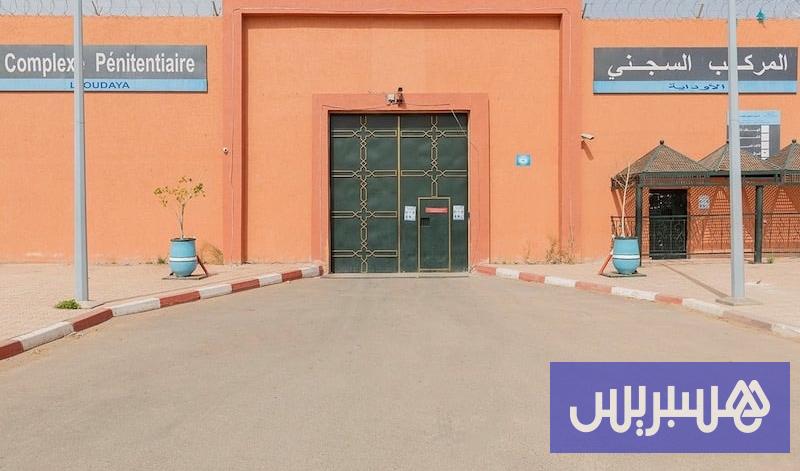
In a new development regarding the implementation of alternative punishments in the national education sector, Hespress learned that Idriss Tazani, director of the Loudaya local prison in Marrakech, contacted the director of the Regional Academy of Education and Training for the Marrakech-Safi region to schedule a meeting to prepare a work program and a list of academy-affiliated locations where community service sentences can be carried out.
In his letter to the academy director, Tazani said: “I kindly request you to set a date as soon as possible to prepare the work program and list of places where community service sentences can be implemented within the framework of bilateral or multilateral agreements.”
This invitation, according to the letter text obtained by Hespress, “is part of the reform of the national criminal justice system, based on the royal directives that combine deterrence and reintegration, and in the framework of implementing Law No. 22/43 related to alternative punishments and the implementing decree No. 386/25/2 which defines how to apply alternative punishments, effective as of August 22, 2025, through coordination with state services, local authorities, human rights and freedoms protection institutions, good governance bodies, public institutions, charitable organizations, places of worship, and other institutions, associations, and NGOs working for the public good.”
A well-informed source previously told Hespress that the ministry is in the process of contacting the directors of regional education and training academies regarding the methods of implementing alternative punishments in educational and training institutions affiliated with the ministry.
The source confirmed the ministry’s keenness to consider “all legal, rights-based, social, and educational aspects when determining the activities to be performed by those sentenced to community service in the sector.”



Recommended for you
Al-Jaghbeer: The Industrial Sector Leads Economic Growth
Egypt Post: We Have Over 10 Million Customers in Savings Accounts and Offer Daily, Monthly, and Annual Returns
Alternative to UNIFIL Forces
Talib Al-Rifai Chronicles Kuwaiti Art Heritage in "Doukhi.. Tasaseem Al-Saba"
Exhibition City Completes About 80% of Preparations for the Damascus International Fair Launch
Trump Advisor: Disarming Hamas is Central.. Palestinian Authority to Take Over Gaza After Required Reforms