








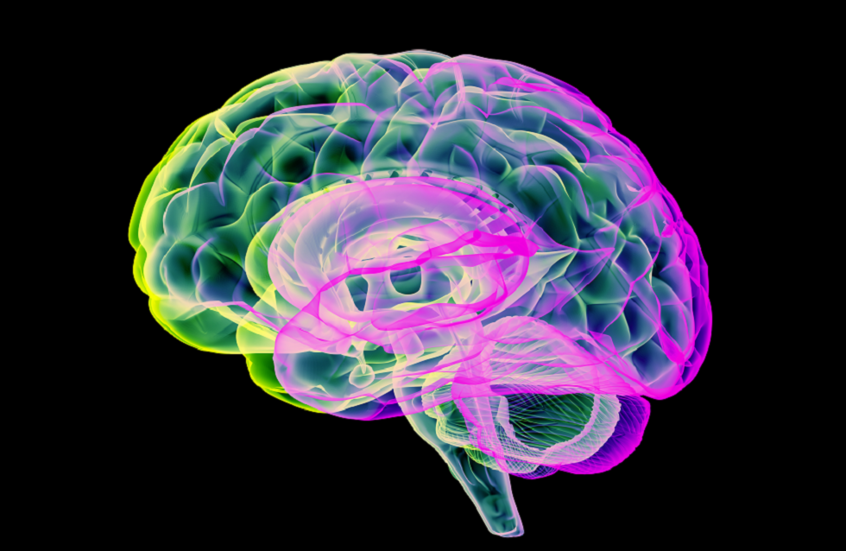
The journal noted that a study conducted by scientists from the University of Florida showed that optimism, good sleep, social support, the ability to manage stress, as well as diseases, are all factors that affect brain health and its biological age, which is not linked to a person’s actual chronological age.
The study involved 128 young and elderly participants, some of whom suffered from painful diseases such as arthritis. Researchers monitored the social and health status of the participants over two years, along with their “brain age,” comparing their health and brain condition to their actual age. They found that people suffering from chronic pain experience faster brain aging, while optimistic individuals and those following a healthy lifestyle had a biological brain age on average eight years younger than others, with their brains aging more slowly.
Scientists also found that stress and financial problems accelerate brain aging, whereas psychological comfort, social support, and a comfortable life improve brain health and protect it from premature aging. Maintaining a healthy weight, regular and deep sleep, and not smoking all help preserve brain health and protect against memory loss and dementia.
Researchers emphasize that healthy habits can be developed at any age, and every additional measure—whether improving sleep or learning to manage stress—provides tangible benefits to the brain.




Recommended for you
Al-Jaghbeer: The Industrial Sector Leads Economic Growth
Alternative to UNIFIL Forces
Egypt Post: We Have Over 10 Million Customers in Savings Accounts and Offer Daily, Monthly, and Annual Returns
Talib Al-Rifai Chronicles Kuwaiti Art Heritage in "Doukhi.. Tasaseem Al-Saba"
Exhibition City Completes About 80% of Preparations for the Damascus International Fair Launch
Trump Advisor: Disarming Hamas is Central.. Palestinian Authority to Take Over Gaza After Required Reforms