





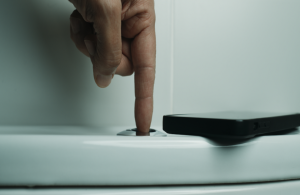




The bladder is one of the body’s most important organs as it stores and releases urine, helping the body eliminate waste and maintain fluid balance. However, just like your heart or lungs, your bladder needs care. Neglecting it puts you at risk of pain, urinary tract infections, and in some cases, serious conditions like urinary incontinence or even cancer. Many bladder problems can be prevented and are linked to daily habits. This report highlights 6 common habits that may harm bladder health, according to the website “Science”.
Delaying bathroom visits leads to urine buildup and bladder muscle stretching. Over time, this can weaken its ability to contract and fully empty the bladder, causing urine retention.
Research indicates that holding urine gives bacteria more time to multiply, increasing the risk of urinary tract infections.
Experts recommend emptying the bladder every three to four hours. In severe cases, chronic urine retention can cause kidney damage.
Take your time and consider emptying the bladder twice: after finishing, wait 10 to 20 seconds and try again to ensure complete emptying.
Dehydration increases urine concentration, irritating the bladder lining and raising infection risk. Drink 6 to 8 cups of water (about 1.5 to 2 liters) daily, more if very active or in hot weather. If you have kidney or liver disease, consult your doctor first.
Low fluid intake can also cause constipation, where hard stool presses on the bladder and pelvic floor, making bladder control difficult.
Caffeine can irritate the bladder and acts as a diuretic, increasing urine production. A study revealed that people consuming more than 450 mg of caffeine daily—about 4 cups of coffee—were more likely to experience urinary incontinence compared to those consuming less than 150 mg.
Smoking is a major cause of bladder cancer, responsible for about half of cases. Smokers are four times more likely to develop the disease than non-smokers, especially if they started young or smoked heavily for years, including cigars.
Chemicals in tobacco enter the bloodstream, are filtered by the kidneys, and stored in urine.
When urine accumulates in the bladder, these carcinogens, including arylamines, can damage the bladder lining.
Bacteria can enter the urinary tract through poor hygiene practices such as wiping from back to front, using harsh soaps, or neglecting handwashing. These factors disrupt the body’s natural microbiome and increase the risk of urinary tract infections.
Your diet and activity level affect your bladder more than you might expect. Excess weight puts pressure on the bladder and increases the chance of urine leakage.
Regular exercise helps maintain a healthy weight and prevents constipation, which in turn puts pressure on the bladder.
Certain foods and drinks—including sodas, spicy foods, citrus fruits, and artificial sweeteners—can irritate the bladder and worsen symptoms in those already prone to problems.
Follow a fiber-rich diet with plenty of whole grains, fruits, and vegetables to protect digestive and bladder health.
Bladder health is influenced by daily choices. Staying hydrated and maintaining good personal hygiene help prevent long-term problems.
If you notice persistent changes such as frequent urination, difficulty emptying the bladder, pain or burning during urination, cloudy or foul-smelling urine, or any sign of blood, consult a doctor.




Recommended for you
Talib Al-Rifai Chronicles Kuwaiti Art Heritage in "Doukhi.. Tasaseem Al-Saba"
Exhibition City Completes About 80% of Preparations for the Damascus International Fair Launch
Al-Jaghbeer: The Industrial Sector Leads Economic Growth
Unified Admission Applications Start Tuesday with 640 Students to be Accepted in Medicine
Egypt Post: We Have Over 10 Million Customers in Savings Accounts and Offer Daily, Monthly, and Annual Returns
His Highness Sheikh Isa bin Salman bin Hamad Al Khalifa Receives the United States Ambassador to the Kingdom of Bahrain