









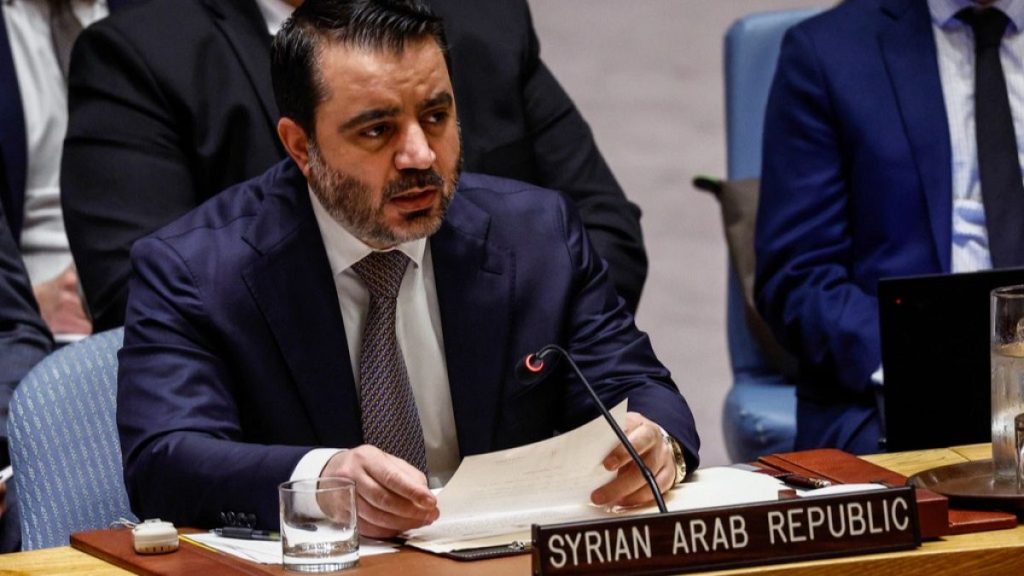
The Syrian Foreign Minister explained that Israel “hindered” the Syrian government during a rising wave of sectarian violence in the south. In an interview with CNN, he stated that “a strong and united Syria will be a stabilizing element serving regional security, including Israel’s.”
Al-Sheibani affirmed that “Syria poses no threat to any party in the region, including Israel, but our new policies of cooperation and peace have been met with threats and strikes.”
He added that his country was “shocked” by the strikes Israel launched following the fall of the Assad regime in December last year. He noted, “Therefore, talking about normalization or the Abraham Accords is somewhat difficult,” referring to the agreements that established relations between Israel and three Arab countries in 2020.
Meanwhile, Israeli Prime Minister Benjamin Netanyahu said on Sunday that the Abraham Accords are “remarkably resilient and strong” despite the war in Gaza, expecting them to expand to include other countries. However, Israel confirms that talks with Syria are ongoing and could lead to a security agreement.
Responding to a question about Israel’s role, Al-Sheibani said Israel “supported outlawed groups, which hindered the Syrian government’s efforts and prevented it from resolving the issue between the Bedouins and Druze.” He considered Israeli intervention “only complicated matters and placed the Druze in a very difficult and embarrassing position.”
Since Assad’s fall, Syria has witnessed waves of sectarian violence. In March, hundreds were killed during a campaign targeting the Alawite sect in the city of Latakia.
In April, clashes erupted between government forces and Druze militias, followed by renewed confrontations in July between Druze and local Bedouin tribes, prompting Syrian army intervention. This was followed by Israeli strikes that Tel Aviv said aimed to protect the Druze.



Recommended for you
Talib Al-Rifai Chronicles Kuwaiti Art Heritage in "Doukhi.. Tasaseem Al-Saba"
Exhibition City Completes About 80% of Preparations for the Damascus International Fair Launch
Al-Jaghbeer: The Industrial Sector Leads Economic Growth
Unified Admission Applications Start Tuesday with 640 Students to be Accepted in Medicine
Egypt Post: We Have Over 10 Million Customers in Savings Accounts and Offer Daily, Monthly, and Annual Returns
His Highness Sheikh Isa bin Salman bin Hamad Al Khalifa Receives the United States Ambassador to the Kingdom of Bahrain