









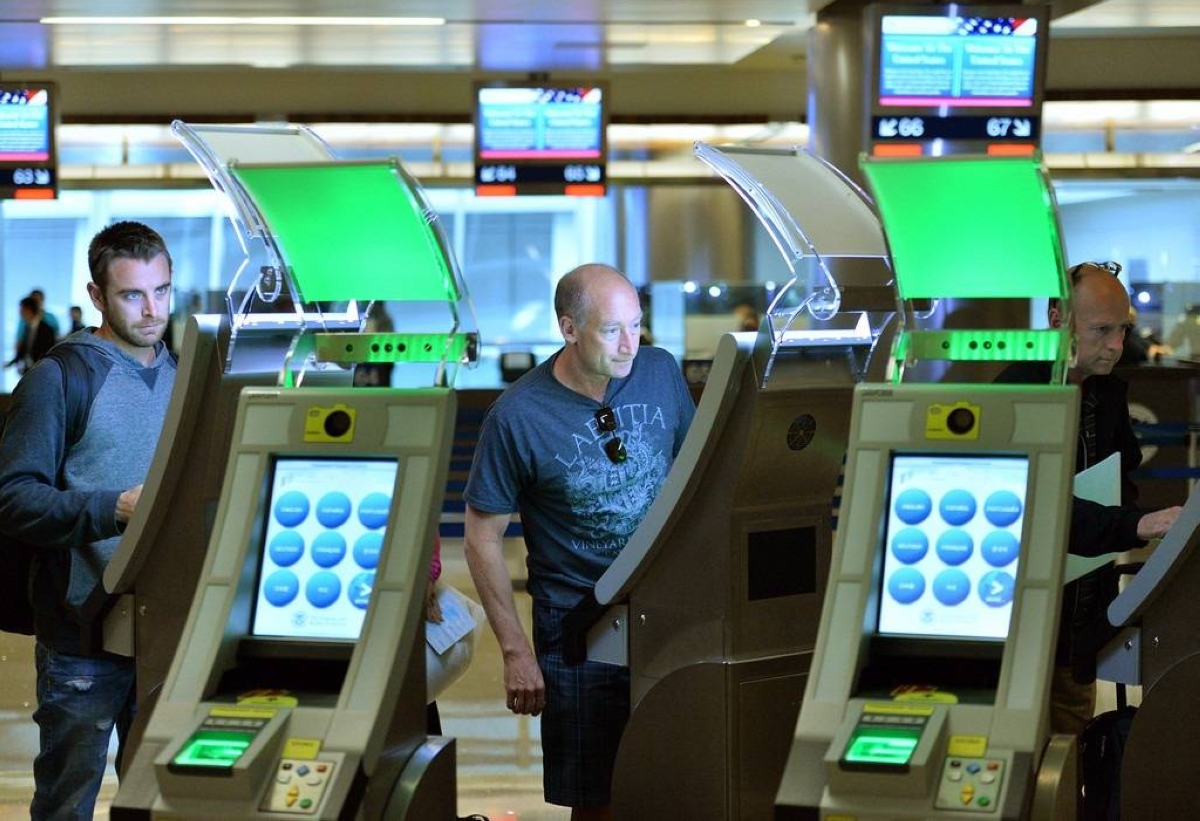
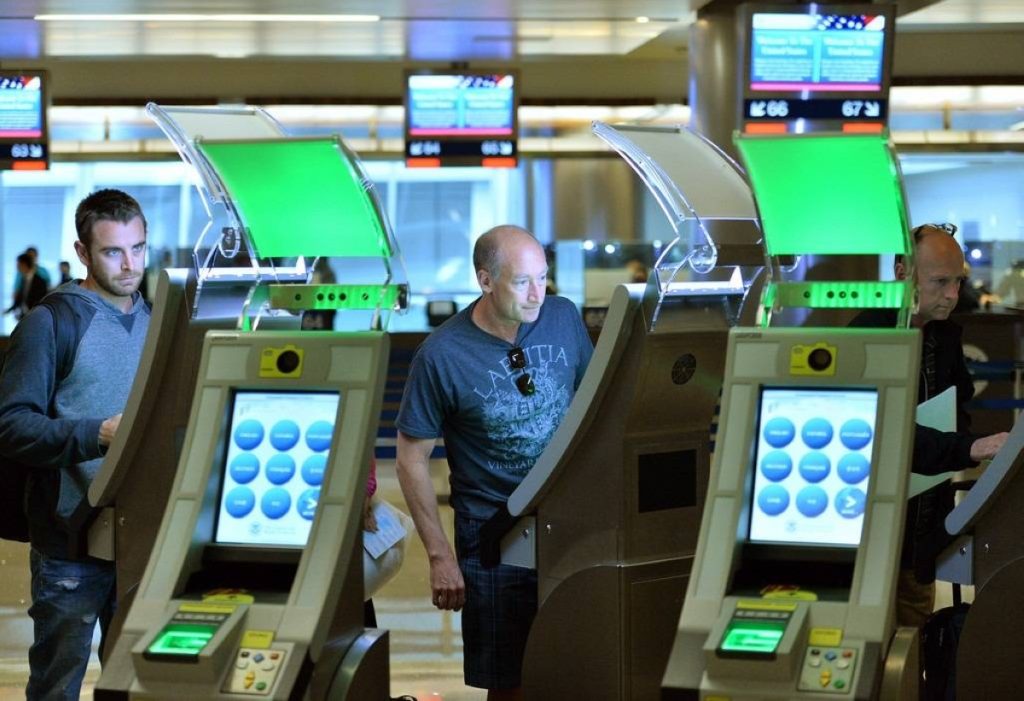
Starting today (Sunday), the European Union begins implementing the new Entry/Exit System (EES) using biometric fingerprinting, requiring millions of tourists and travelers from outside the EU to undergo mandatory biometric checks. The new system, covering 29 European countries, marks a major step towards smarter borders but may change the travel experience forever.
Under the new system, visitors’ fingerprints and facial images will be recorded upon entry into the passport-free Schengen Area, aiming to enhance security but raising concerns about privacy and airport delays.
The system will be gradually implemented starting October 12, with full application by April 2026. Travelers arriving at Schengen airports or ports from countries such as the United States, the United Kingdom, or Middle Eastern nations will provide fingerprints of four fingers and a facial image via automated devices.
According to European authorities, the initial registration may take 2-5 minutes, with possible additional waiting times at major airports like Charles de Gaulle in Paris or Heathrow in London (for those transiting to Europe). Exiting will also be automated, with the system recording dates to detect overstays, which may result in a 3-year entry ban.
The biometric fingerprint project originated following terrorist attacks in Paris in 2015 and Berlin in 2016, with investigations revealing gaps in tracking non-European travelers allowed short stays of up to 90 days within 180 days without a visa.
Previously, European borders relied on paper passport stamps, a system prone to human error and forgery, allowing thousands of “overstayers” to remain illegally.
The European Parliament and Council approved the regulations in November 2017, but technical delays and the pandemic postponed the launch to 2025. The system stores biometric data for three years with privacy protections compliant with the General Data Protection Regulation (GDPR).
The system is estimated to save 500 million euros annually by reducing fraud but may increase airport waiting times by 20% initially. In 2024, the EU recorded 200 million non-European border crossings, with 90% expected to be tracked electronically under the new system.




Recommended for you
Talib Al-Rifai Chronicles Kuwaiti Art Heritage in "Doukhi.. Tasaseem Al-Saba"
Al-Jaghbeer: The Industrial Sector Leads Economic Growth
Exhibition City Completes About 80% of Preparations for the Damascus International Fair Launch
Unified Admission Applications Start Tuesday with 640 Students to be Accepted in Medicine
Egypt Post: We Have Over 10 Million Customers in Savings Accounts and Offer Daily, Monthly, and Annual Returns
His Highness Sheikh Isa bin Salman bin Hamad Al Khalifa Receives the United States Ambassador to the Kingdom of Bahrain