









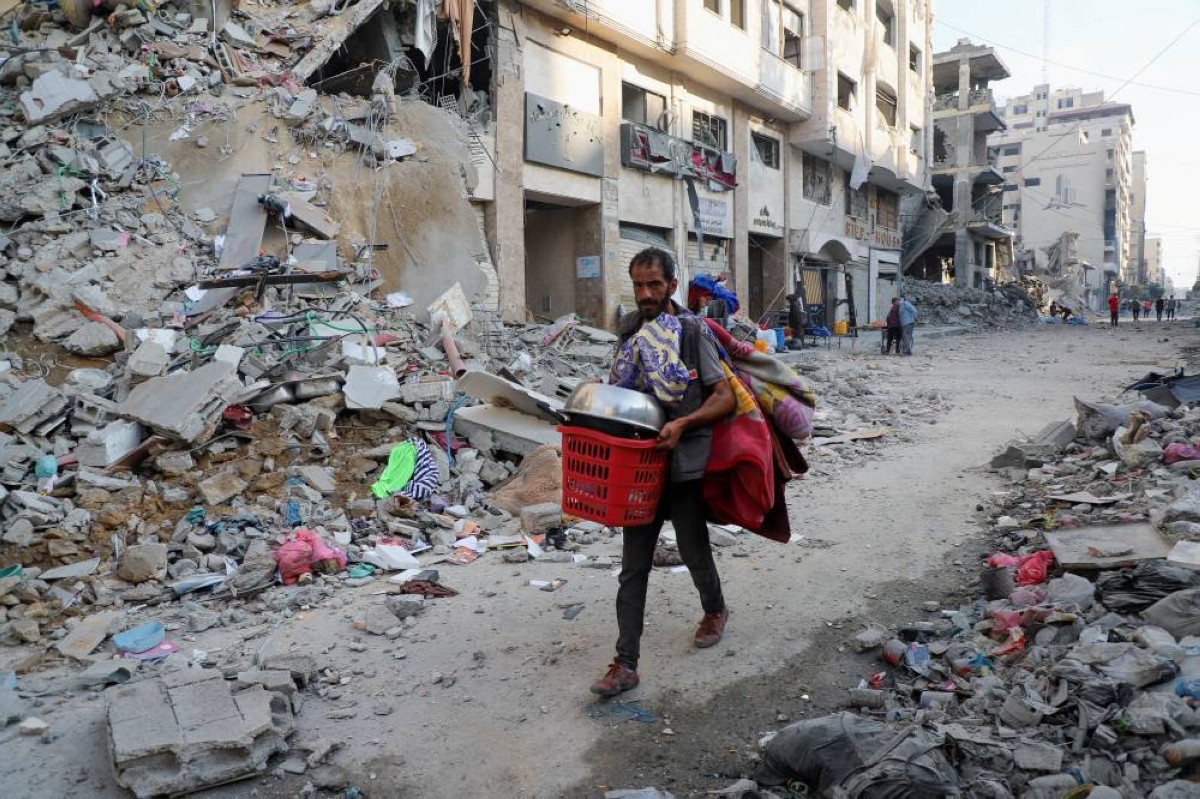
Despite being ruled out since the Israeli aggression on Doha, the truce in the Gaza Strip has resurfaced after Hamas gave preliminary approval to the Witkoff proposal, including the issue of the exile of some of its leaders under certain mechanisms and conditions, considering that the proposed deal meets some of its demands regarding stopping the war, Israeli withdrawal, and the release of Palestinian prisoners.
Although the Israeli army has withdrawn its vehicles from some operational areas in Gaza, it is too early to say this indicates the war is nearing its end, nor is it early to talk about an Israeli vision regarding Gaza’s future that accepts dealing with Hamas, which has controlled it since 2007.
The official Israeli perspectives, meaning the Israeli government, still treat Gaza as a hostile entity deserving collective punishment by all means and tricks. This redefinition, according to observers, may mean continued military operations and Israeli army presence in Gaza even amid talks of a near ceasefire agreement.
This general context was described by observers as a rare opportunity for Hamas, which fully understands the global momentum demanding an end to the war and is keen to avoid confrontation with the world, especially as diplomatic avenues have narrowed. Accordingly, the world awaits a shift in Hamas’s dynamics towards the American proposal.
In Tel Aviv, Israelis fear surprises from Netanyahu, followed by his senior aides, especially Ben Gvir and Smotrich, as the American proposal strips him of plans and ambitions to annex the West Bank. Rejecting it would lead to clashes with the Israeli street, while accepting it would cause cracks in his coalition.
Despite the grim Israeli scene, there is an international desire to end the war, and even Washington sees that its allies worldwide, including Arab allies, want the war to end and push for a political solution. This will not leave President Trump alone with Netanyahu and his coalition, as the calculations to stop the war go beyond the relationship with Israel. Will this movement lead to stopping the war?
Political analyst Mohamed Draghmeh answers “yes,” explaining: “It is difficult to accept the American proposal, but harder to reject it, especially since Hamas is ready to make substantial concessions on Gaza’s governance, weapons, and exile of some leaders abroad, provided guarantees are given on two key issues: stopping the war and the full withdrawal of the Israeli army from Gaza. These guarantees are currently being sought through mediators.”
However, Draghmeh warned of gaps in the American plan, mainly that it guarantees stopping the war but allows Israeli military operations in Gaza under certain conditions and does not guarantee withdrawal. It stipulates a gradual withdrawal, which may stop for some reason and could last weeks or years.
Another assumption not overlooked by observers is that Gaza might return to Egyptian sovereignty or that Cairo might bear some burdens of the war, especially regarding relief and protection of starving residents. However, this remains subject to regional visions for Gaza’s future after the war ends.



Recommended for you
Talib Al-Rifai Chronicles Kuwaiti Art Heritage in "Doukhi.. Tasaseem Al-Saba"
Exhibition City Completes About 80% of Preparations for the Damascus International Fair Launch
Al-Jaghbeer: The Industrial Sector Leads Economic Growth
Unified Admission Applications Start Tuesday with 640 Students to be Accepted in Medicine
Egypt Post: We Have Over 10 Million Customers in Savings Accounts and Offer Daily, Monthly, and Annual Returns
His Highness Sheikh Isa bin Salman bin Hamad Al Khalifa Receives the United States Ambassador to the Kingdom of Bahrain