




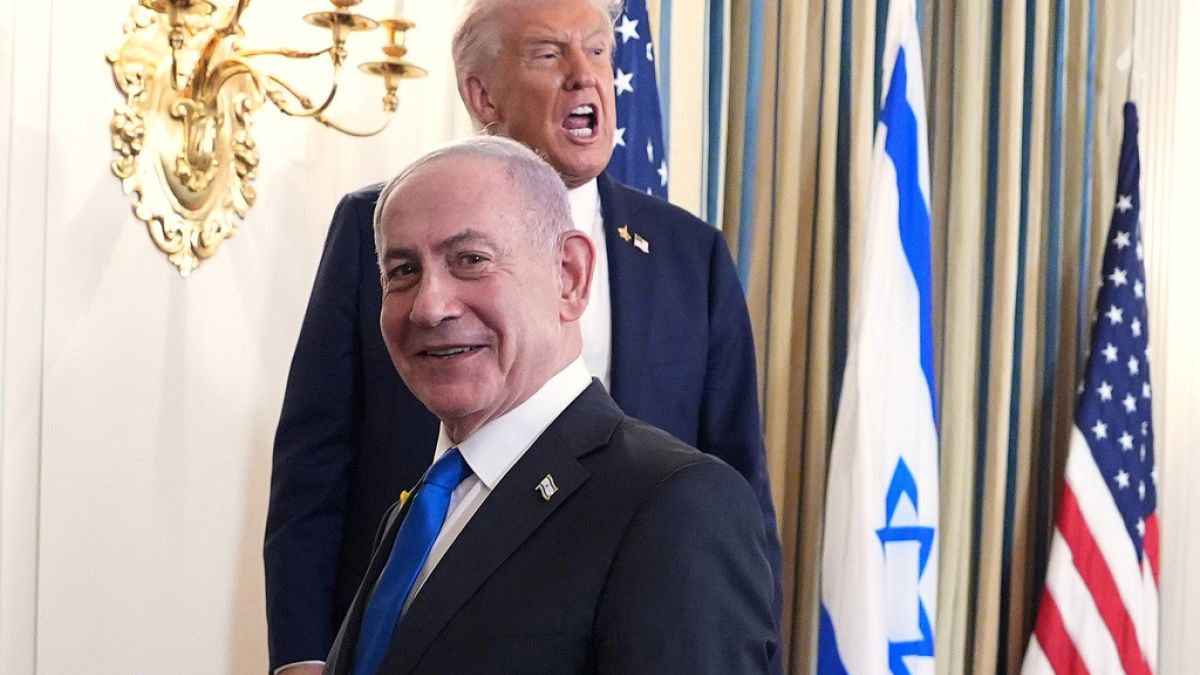
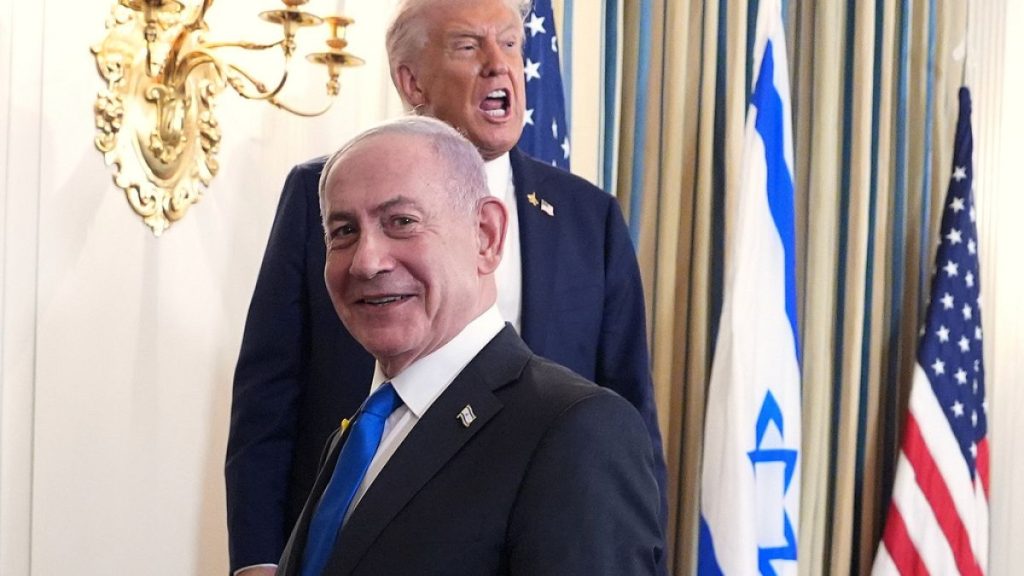
The Israeli Prime Minister says triumphantly: It was a historic visit to the White House. Instead of Hamas isolating us, we turned things around and isolated the movement.
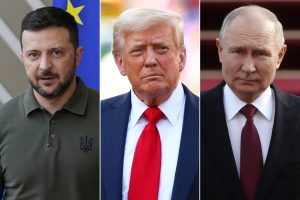
Before the press conference that brought together Israeli Prime Minister Benjamin Netanyahu and US President Donald Trump, the Hebrew media extensively discussed deep disagreements between the two leaders, to the extent that it suggested Tel Aviv was again facing significant pressure from Trump, pushing it to make unexpected concessions, most notably retreating from annexing the West Bank. Some settlement leaders even expressed fears that Trump would push the government to recognize the Palestinian state or at least expand its influence, which they described as a “new October 7th.”
On the ground, Trump announced a 20-point plan including conditions clearly rejected by Hamas, such as disarming, stepping aside, and no immediate Israeli withdrawal from the Gaza Strip.
Despite the general impression of disagreement between the two men, CNN cited Israeli officials saying Trump and Netanyahu agreed on all details beforehand.
Some observers note that Trump’s hint to Arab and Islamic countries during their meeting on the sidelines of the UN General Assembly is an attempt to create a feeling that this is the “last chance” to establish a “lasting” peace, shifting pressure from Israel to Hamas.
Netanyahu said: “It was a historic visit to the White House. Instead of Hamas isolating us, we turned things around and isolated Hamas. Now the whole world, including the Arab and Islamic world, is pressuring Hamas to accept the conditions we set with Trump, to return all the hostages — both alive and dead — while the Israeli Defense Forces remain in the Strip.”
Observers see the absence of any Arab leader alongside Netanyahu and Trump in the room as significant. The presence of a leader from an influential country such as Saudi Arabia, Qatar, the UAE, or Egypt would have given the proposal greater credibility in the Arab world.
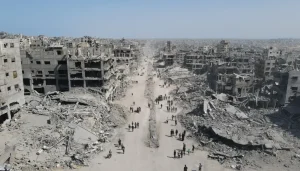
Additionally, some analyses suggest the plan includes vague indications of future Arab contributions with security forces, while Gaza, largely destroyed, tries to rebuild itself.
Regarding the nature of the plan, reports say it does not address Israeli expansion in Gaza nor the settlement issue in the West Bank, even with Trump’s apparent opposition to annexing the occupied West Bank, as projects on the ground continue without support for establishing a Palestinian state, such as the approved “E1” project, which would completely isolate Jerusalem from its Palestinian surroundings.
Evidence, according to reports, is Trump’s praise of Netanyahu’s opposition to establishing a Palestinian state, saying: “You know, during my meeting today, Prime Minister Netanyahu was very clear about his opposition to establishing a Palestinian state… He is a fighter.”
Furthermore, the plan calls for “reforming” the Palestinian Authority but allows, at the same time, the cancellation of the ceasefire if this “reform” is deemed insufficient according to Netanyahu’s assessment.
The Israeli newspaper Haaretz published a notable report stating that the Saudi-French initiative on recognizing the State of Palestine, despite gaining momentum, carries no immediate practical meaning.
The newspaper sees Netanyahu promoting the myth that he alone wants to eliminate Hamas, while the UN conference showed that Arab countries, the United States, and Western countries all want to remove Hamas from power and replace it with ordinary civilian leadership.
Recommended for you
Talib Al-Rifai Chronicles Kuwaiti Art Heritage in "Doukhi.. Tasaseem Al-Saba"
Exhibition City Completes About 80% of Preparations for the Damascus International Fair Launch
Al-Jaghbeer: The Industrial Sector Leads Economic Growth
Unified Admission Applications Start Tuesday with 640 Students to be Accepted in Medicine
Egypt Post: We Have Over 10 Million Customers in Savings Accounts and Offer Daily, Monthly, and Annual Returns
His Highness Sheikh Isa bin Salman bin Hamad Al Khalifa Receives the United States Ambassador to the Kingdom of Bahrain