









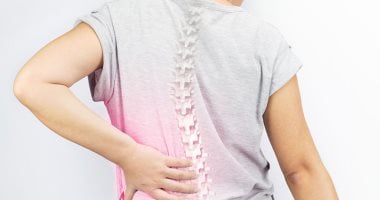
Chronic spinal inflammation has long been associated with men in older medical research, but modern science has revealed a different aspect: women are affected at rates close to men, though their symptoms differ in severity and location, making diagnosis more difficult and prolonged.
According to the Health website, this type of inflammation is classified as an autoimmune disease, meaning the immune system attacks the body’s healthy tissues, especially the joints connecting the spine to the pelvis, causing stiffness and chronic pain that may extend to peripheral joints such as the knees and wrists.
Although chronic spinal inflammation was previously considered a “male” disease, modern medical reality—as noted by Health—shows that women suffer from it to degrees not less than men, and may be more affected physically and psychologically.
Understanding gender differences in symptoms and treatment is a crucial step toward providing fair and accurate healthcare, empowering women to control their condition and continue their lives with confidence and activity.
Women with chronic spinal inflammation experience a wide range of symptoms, some resembling general fatigue or muscle problems, which often delays diagnosis.
Early notable signs include:
- Widespread pain in the lower back or hips.
- Inflammation or painful redness in the front part of the eyes.
- Swelling in the joints of the hands or ankles.
- Increased sensitivity to pain when pressing certain body areas.
- Later disease onset: Symptoms in women usually start at a relatively older age, often confused with signs of aging or muscle strain.
- Widespread rather than localized pain: Women often feel pain in multiple body areas, not just the spine.
- Fewer changes in imaging: Women show less bone erosion on scans compared to men, sometimes resulting in normal imaging despite the disease presence.
- Variable drug response: Some women do not optimally benefit from biological treatments like tumor necrosis factor inhibitors used to reduce inflammation.
- Hormonal influence: Estrogen is believed to play a role in easing or worsening inflammation, with symptoms often increasing during menstruation or after menopause.
- Delayed diagnosis: Women typically take about nine years on average to receive an accurate diagnosis, roughly two years longer than men.
- Association with other diseases: Such as inflammatory bowel diseases or other autoimmune disorders.
- Atypical symptoms: Instead of classic back pain, complaints may appear as pain in shoulders, knees, or hands, leading doctors to believe the problem is muscular or hormonal.
- Misleading imaging results: Early X-rays often do not show the clear bone inflammation signs seen in men, leading to neglect or misclassification as fibromyalgia or chronic strain.
- Commitment to daily stretching exercises to maintain spinal flexibility.
- Regular follow-up with a rheumatologist.
- Use of non-steroidal anti-inflammatory drugs or biologics when needed.
- Controlling triggers such as smoking, lack of sleep, or stress.
- Nutrition rich in omega-3 to reduce inflammation.
Research shows women are more prone than men to associated conditions like psoriasis and chronic bowel inflammations, which worsen symptoms and complicate diagnosis.
Studies published on Health indicate that the disease pattern in women follows a slower course and spreads in small joints, while in men it tends to affect the vertebrae more clearly and directly.
There are seven main differences observed between the two:
The disease goes beyond physical pain; it also affects sleep quality, energy, and overall mood. It can cause changes in physical activity, reducing the ability to exercise or perform self-care as before.
Regarding fertility, research does not indicate that chronic spinal inflammation reduces the likelihood of pregnancy, but some anti-inflammatory drugs or corticosteroids may affect ovulation or egg quality. Therefore, consulting a specialist before planning pregnancy is advised.
During pregnancy, experiences vary: some women feel temporary symptom improvement, while others experience increased pain and stiffness, especially in the last months of pregnancy. This is likely due to hormonal changes, extra weight, and fetal pressure on the pelvis.
Two main reasons make the disease more obscure in women:
This diagnostic delay means many women do not receive appropriate treatment until years after suffering, allowing inflammation to progress and affect other joints.
Treatment relies on a combination of medication, movement, and healthy habits.




Recommended for you
Talib Al-Rifai Chronicles Kuwaiti Art Heritage in "Doukhi.. Tasaseem Al-Saba"
Al-Jaghbeer: The Industrial Sector Leads Economic Growth
Exhibition City Completes About 80% of Preparations for the Damascus International Fair Launch
Unified Admission Applications Start Tuesday with 640 Students to be Accepted in Medicine
Egypt Post: We Have Over 10 Million Customers in Savings Accounts and Offer Daily, Monthly, and Annual Returns
His Highness Sheikh Isa bin Salman bin Hamad Al Khalifa Receives the United States Ambassador to the Kingdom of Bahrain