




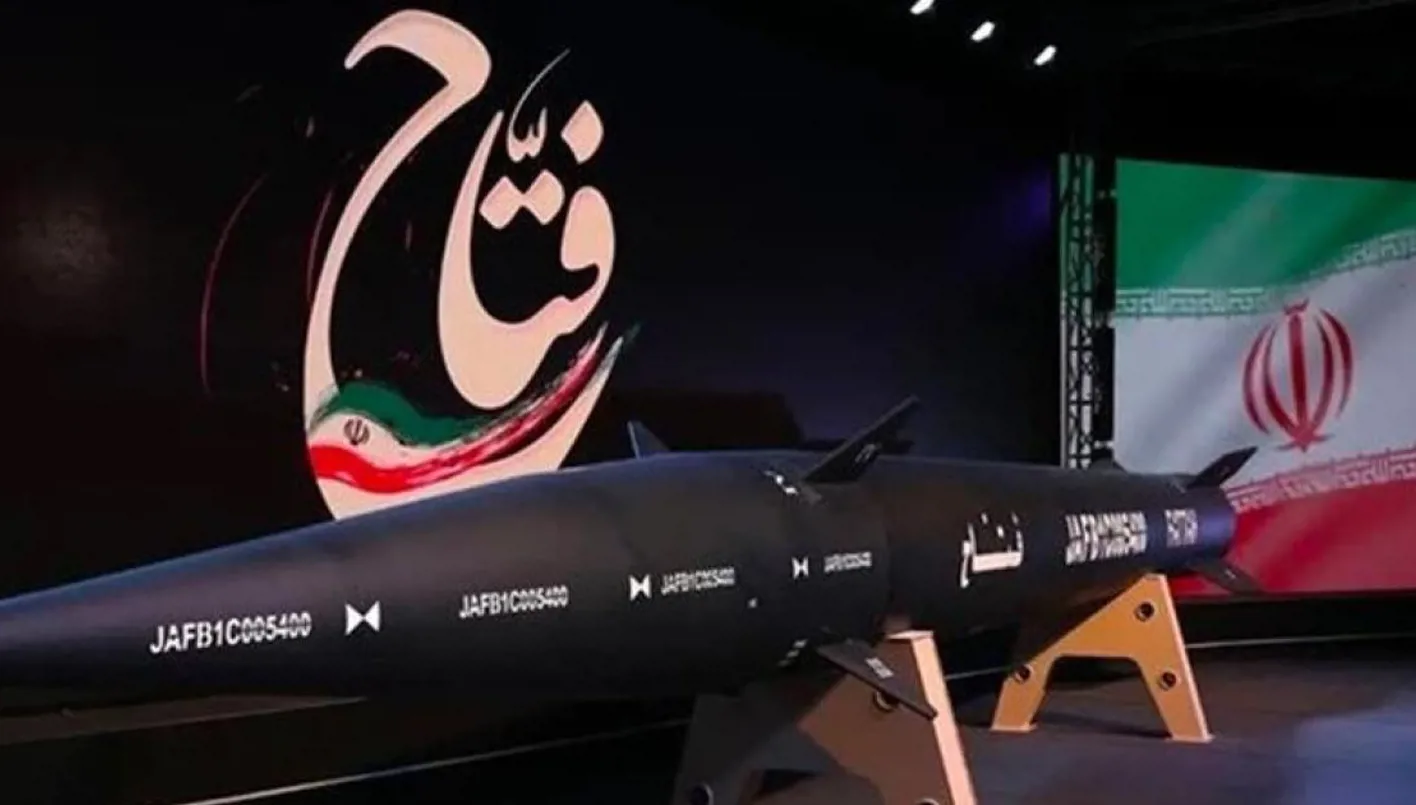
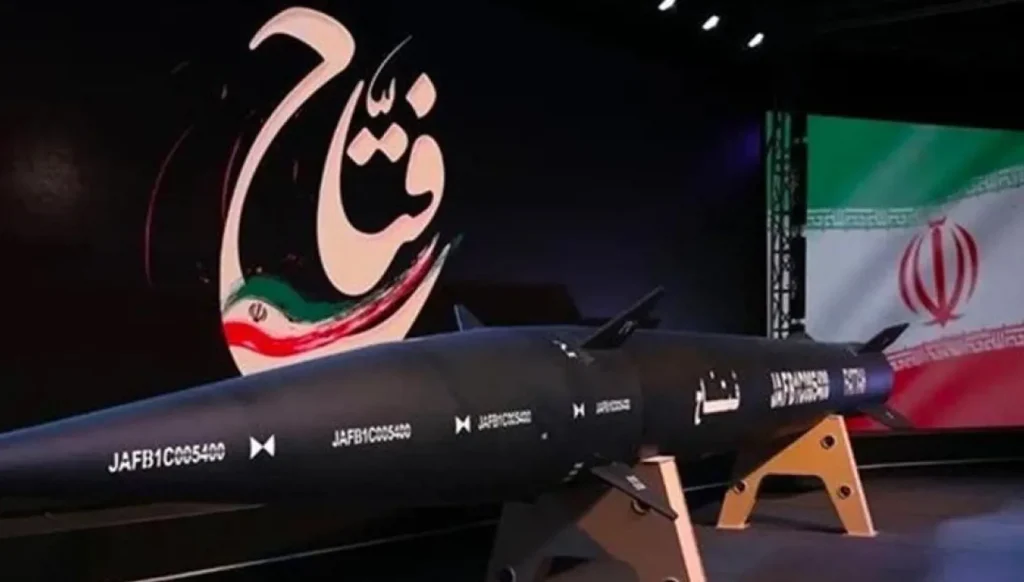
Ahmad Bakhshayesh Ardestani, a member of Iran’s Parliament National Security and Foreign Policy Committee, revealed that Tehran has lifted all previous restrictions on the range of its ballistic missiles, stating that the decision was made with the approval of Supreme Leader Ali Khamenei amid rising tensions with the United States and Israel.
In an interview with “Iran Monitor,” Ardestani said the Supreme Leader had previously limited missile range to 2200 kilometers for specific reasons, but all these restrictions have now been removed. He added that Iran will continue to develop its missile program to any level it deems necessary for its national security.
He emphasized that Tehran will not accept any limitations on its missile capabilities as they represent the most important element of Iran’s defensive power, adding that Iran is currently considered the fourth strongest missile power in the world.
Negotiations with Washington
Regarding negotiations with the United States, Ardestani stated that Iran should not initiate talks in the next six months, believing that if the government manages the economic situation and contains internal protests, Western countries will be forced to propose dialogue again.
He added that Western officials believe reactivating the “snapback” mechanism and the return of UN sanctions will worsen living conditions and increase public anger, but if these expectations do not materialize, Western capitals will be forced to change their stance toward Tehran.
He pointed out that the conditions set by Washington for resuming negotiations are unacceptable to Iran, explaining that US demands include zero uranium enrichment, restricting the missile program, stopping support for Iran-aligned groups in the region, and conducting direct negotiations with Tehran. He considered accepting such conditions as surrender before negotiations even begin.
On the “snapback” mechanism, the Iranian MP said Europe has become a tool in the hands of the United States, adding that US pressure on the European Union led to activating the mechanism despite the agreement reached between Iran and the International Atomic Energy Agency mediated by Egypt.
Nuclear File
Regarding the nuclear issue, Ardestani stressed that Tehran will not withdraw from the Nuclear Non-Proliferation Treaty (NPT), affirming that Iran does not seek to produce a nuclear bomb but aims to expand the use of nuclear energy in medical, agricultural, pharmaceutical, and environmental fields. He called on the Atomic Energy Organization of Iran to increase transparency and inform citizens about nuclear achievements so the public understands these activities are not solely military but can positively impact daily life.
Tensions with Israel
On tensions with Israel, the Iranian MP said the chances of a new war between the two countries are currently low, noting that Iran’s response during the 12-day war constituted a clear deterrent to Israel despite the losses Iran suffered. He added that the Iranian missile response caused significant damage to Israeli air defense systems.
Ardestani concluded by saying that the United States and Iran must acknowledge they have been in continuous conflict for over 47 years without either side eliminating the other, adding that it is time to reach a realistic formula for coexistence or cooperation. He indicated that Iran must move beyond the era of former US President Donald Trump in any possible way, referring to the need for cautious dealings with the US’s fluctuating policies toward Tehran.
Recommended for you
Talib Al-Rifai Chronicles Kuwaiti Art Heritage in "Doukhi.. Tasaseem Al-Saba"
Al-Jaghbeer: The Industrial Sector Leads Economic Growth
Exhibition City Completes About 80% of Preparations for the Damascus International Fair Launch
Unified Admission Applications Start Tuesday with 640 Students to be Accepted in Medicine
Egypt Post: We Have Over 10 Million Customers in Savings Accounts and Offer Daily, Monthly, and Annual Returns
His Highness Sheikh Isa bin Salman bin Hamad Al Khalifa Receives the United States Ambassador to the Kingdom of Bahrain