




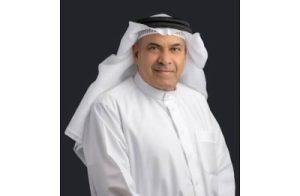


Ahmed Al Ali, General Manager of Kalimat Group, emphasized the importance of balancing the teaching of Arabic and other languages, especially during early childhood (from one to three years old). He told “Emarat Al Youm” that “the mother tongue is the true link between the child and his identity, while other languages are tools to understand the world and open up to different cultures.”
He said, “Other languages are important tools for communication and openness to global cultures, but they cannot replace the mother tongue, which represents the root of identity and the spirit of belonging. It is the language we speak to our families, worship with, and read our literary and religious heritage in. Foreign languages remain a means to understand others, not to understand ourselves. The beginning must be within the family and during early childhood, not after entering school.”
He explained, “When we wait until the age of six or seven to introduce Modern Standard Arabic to the child, it is as if we are teaching him a second language. Therefore, Arabic should be introduced in nurseries through curricula tailored to the young age group, where the child is more receptive to absorbing and retaining knowledge.”
During his participation in the Early Childhood Literacy Conference 2025, in its second edition concluding today in Sharjah, Al Ali pointed out that the leadership in the UAE pays great attention to enhancing the status of the Arabic language through policies, programs, and conferences. He stressed the importance of presenting the language to children in a way that aligns with their way of thinking and interaction with the world, through play and experience rather than rote learning.
He continued, “We need a stimulating educational environment where the child feels happy while learning. From this perspective, we were inspired during the conference by the Italian Reggio Emilia approach, an educational philosophy focusing on the creative aspects of the child in early childhood, viewing the child as a competent and creative learner capable of building knowledge independently. This method is based on principles of exploration and play, encouraging self-expression through (one hundred languages) such as drawing, sculpting, and music.”
For his part, Ammar Al Ali, Director of Partnerships and Communications at the National Academy for Childhood Development, said that the Arabic language represents a fundamental pillar for strengthening cultural and national identity and instilling values of belonging among emerging generations, especially amid technological development and the intermingling of other languages. He added that the Early Childhood Literacy Conference 2025 brings together a selection of global and regional experts to review the latest initiatives and best practices in Arabic language education, enhancing reading and writing skills from the earliest years, in line with the UAE’s vision and the efforts of the Abu Dhabi Early Childhood Authority to develop the early education sector.
He explained that the conference offers a diverse program of panel discussions and interactive workshops.



Recommended for you
Talib Al-Rifai Chronicles Kuwaiti Art Heritage in "Doukhi.. Tasaseem Al-Saba"
Al-Jaghbeer: The Industrial Sector Leads Economic Growth
Exhibition City Completes About 80% of Preparations for the Damascus International Fair Launch
Unified Admission Applications Start Tuesday with 640 Students to be Accepted in Medicine
Egypt Post: We Have Over 10 Million Customers in Savings Accounts and Offer Daily, Monthly, and Annual Returns
His Highness Sheikh Isa bin Salman bin Hamad Al Khalifa Receives the United States Ambassador to the Kingdom of Bahrain