







Israeli media have discussed what they described as a “strategic failure” suffered by Israel in its war on the Gaza Strip after two years of fighting, noting that Israel has failed to defeat or even weaken Hamas.
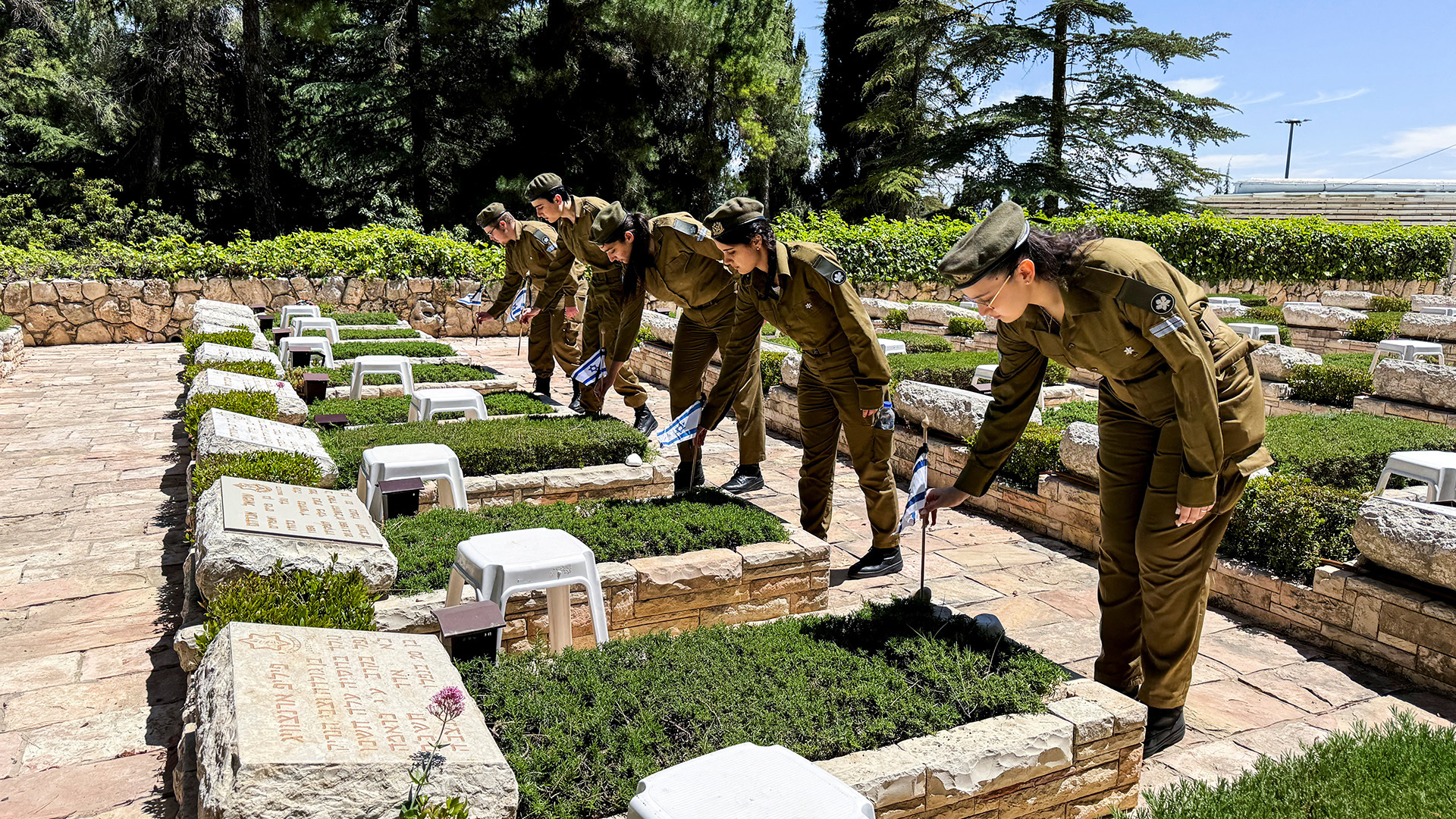
Alon Ben David, a military affairs analyst on Channel 13, described the war against Hamas as “the longest and toughest in Israel’s history,” explaining that the number of Israeli fatalities has reached 1,972 since October 7, 2023, including 913 soldiers, in addition to more than 30,000 injured, with over 10,000 diagnosed with psychological injuries.
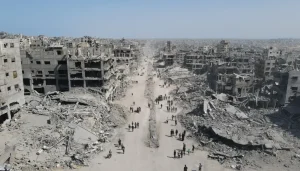
Ben David pointed out that the Palestinian toll was severe and unprecedented in any previous war fought by Israel, with official statistics reporting about 65,000 deaths, while estimates suggest the real number approaches 100,000, roughly 5% of Gaza’s population.
In a related context, Palestinian affairs expert Dr. Roni Shaked said the conflict with the Palestinians “will not end soon,” adding that the desired peace requires a change in Israel’s own approach, not just from the other side.
He explained that Israel still “lives in an illusion” that it can solve the problem militarily at a time when it is becoming more complicated over time.
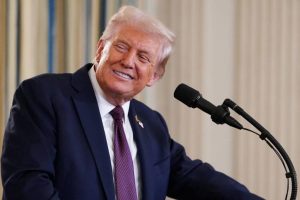
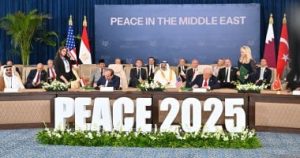
Shaked viewed former US President Donald Trump’s talk of a “comprehensive peace in the Middle East” as far from the field reality, adding that Israel remains mired in its conflict with the Palestinians despite all the promises and initiatives launched over the past years.
Historic Failure
Reserve Major Gilad Ach (head of the “Reserve Soldiers Until Victory” movement) acknowledged that the Israeli army failed despite all its strength to eliminate Hamas, noting that Hamas remained resilient despite the extensive attacks it faced.
Ach added that “the army that managed to strike Iran and the Houthis could not end Hamas’s existence,” considering that Hamas achieved what Hezbollah in Lebanon or even the Arab armies in their previous wars with Israel did not, stressing that its resilience “represents a military and historic failure” for Israel.
He considered that releasing resistance leaders in prisoner exchange deals, such as the previous Shalit deal, will lead to the emergence of new leaders like Yahya Sinwar, bitterly asking, “What will all these do tomorrow morning?” referring to concerns about the resistance returning to confrontation after the exchange.
In a comment reflecting the political ambiguity surrounding the post-war phase, US political affairs expert Yiftach Dayan said Israel does not know what awaits it in the second phase of the exchange deal, nor whether its terms will favor Hamas.
Dayan explained that the initiative presented by Trump includes more than 20 clauses that “may involve painful concessions” for Israel, as he described it.
Meanwhile, Likud party Knesset member Osher Shakalim spoke about Gaza’s future after the war, confirming that he does not expect any settlement project there at the current stage but stressed the need to keep the idea of settlement on the political discussion agenda.
Shakalim expressed confidence that US President and Prime Minister Benjamin Netanyahu will make “the right decisions in Israel’s interest,” calling for patience before judging the outcomes of the first phase of ongoing understandings regarding Gaza.

Recommended for you
Talib Al-Rifai Chronicles Kuwaiti Art Heritage in "Doukhi.. Tasaseem Al-Saba"
Exhibition City Completes About 80% of Preparations for the Damascus International Fair Launch
Al-Jaghbeer: The Industrial Sector Leads Economic Growth
Unified Admission Applications Start Tuesday with 640 Students to be Accepted in Medicine
Egypt Post: We Have Over 10 Million Customers in Savings Accounts and Offer Daily, Monthly, and Annual Returns
His Highness Sheikh Isa bin Salman bin Hamad Al Khalifa Receives the United States Ambassador to the Kingdom of Bahrain