



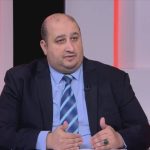




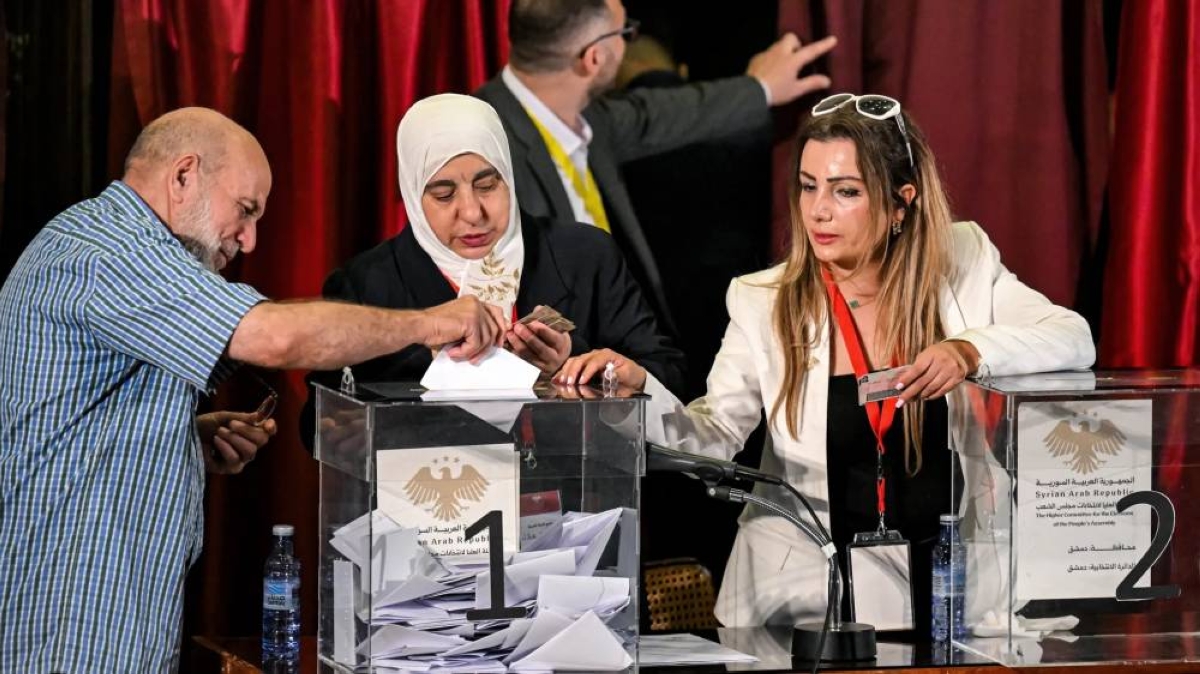
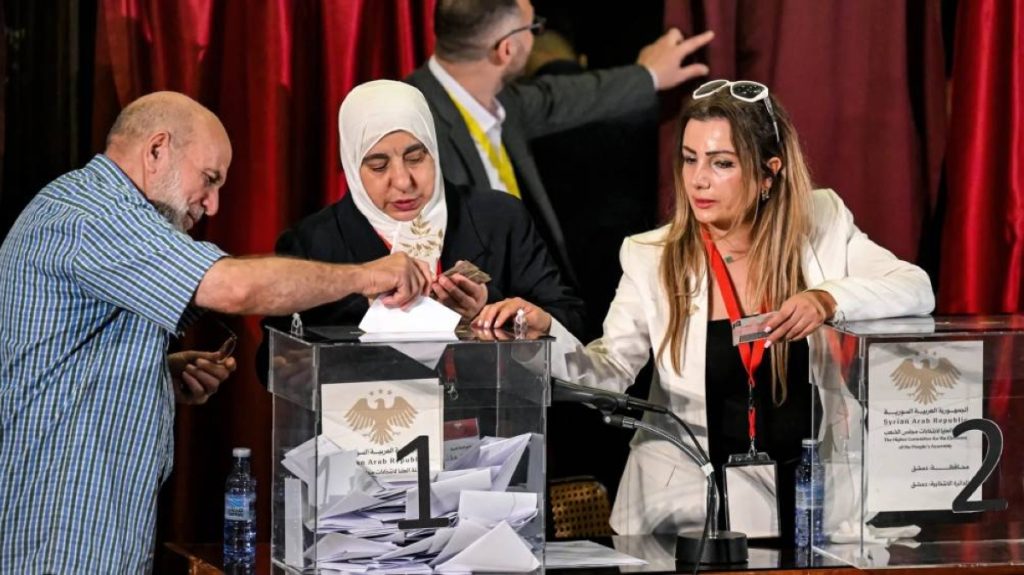
Following the announcement of the results of the first parliamentary election in Syria after the overthrow of Bashar al-Assad’s rule, Nawar Najm, spokesperson for the Supreme Committee for People’s Council Elections, stated that the process was neither an appointment nor a direct election, noting that it faced significant challenges.
Najm said in a post on the “X” platform today (Saturday): “The first challenge was to establish a temporary electoral system convincingly, away from personalization and close to the concerns and opinions of the people after realizing the inability, neither remotely nor closely, to conduct traditional direct elections due to logistical, demographic, and political circumstances.”
He added that the second challenge was satisfying the people amid a popular culture of shifting loyalties, according to his expression.
The committee spokesperson confirmed that correcting mistakes is better than stubbornly persisting in them, and that respecting fundamental principles in the temporary electoral law may be more important than announcements of official or unofficial names, according to him.
He pointed out that the remarkable success witnessed at the ballot boxes was sufficient to reveal the diseases and weaknesses of Syrian society and to work on correcting them, considering that Syria is still largely far from women’s participation until mentalities change.
Najm considered that the revolution was present in the People’s Council with personalities whose revolutionary credentials are unquestionable, with some exceptions, and personalities whose competence is unquestionable, stressing the need for a fast parliamentary culture, new ideas, and a real ability and desire to transform the parliament into a genuine place for participation and diversity so that the circle does not narrow and the parliament does not become a political minority far from the concerns and basic needs of the people, which can no longer wait and hinder the development train.
He emphasized the necessity of real societal integration and transitioning from the slogan “The people want to overthrow the regime” to “The people want to build the homeland.”
About 6,000 people participated in the process of selecting deputies, competing among more than 1,500 candidates, including only about 14% women, for membership in the council, whose term will be renewable for 30 months.
The next parliament is to be formed through a mechanism defined by the constitutional declaration and not by direct elections from the people, as regional bodies formed by a supreme committee elected two-thirds of the 210-member council, with the Syrian president Ahmad Al-Shar appointing the remaining third.
The selection of council members in the provinces of As-Suwayda, Raqqa (north), and Al-Hasakah (northeast) was postponed due to security challenges, according to the election committee.
Recommended for you
Talib Al-Rifai Chronicles Kuwaiti Art Heritage in "Doukhi.. Tasaseem Al-Saba"
Exhibition City Completes About 80% of Preparations for the Damascus International Fair Launch
Al-Jaghbeer: The Industrial Sector Leads Economic Growth
Unified Admission Applications Start Tuesday with 640 Students to be Accepted in Medicine
Egypt Post: We Have Over 10 Million Customers in Savings Accounts and Offer Daily, Monthly, and Annual Returns
His Highness Sheikh Isa bin Salman bin Hamad Al Khalifa Receives the United States Ambassador to the Kingdom of Bahrain