






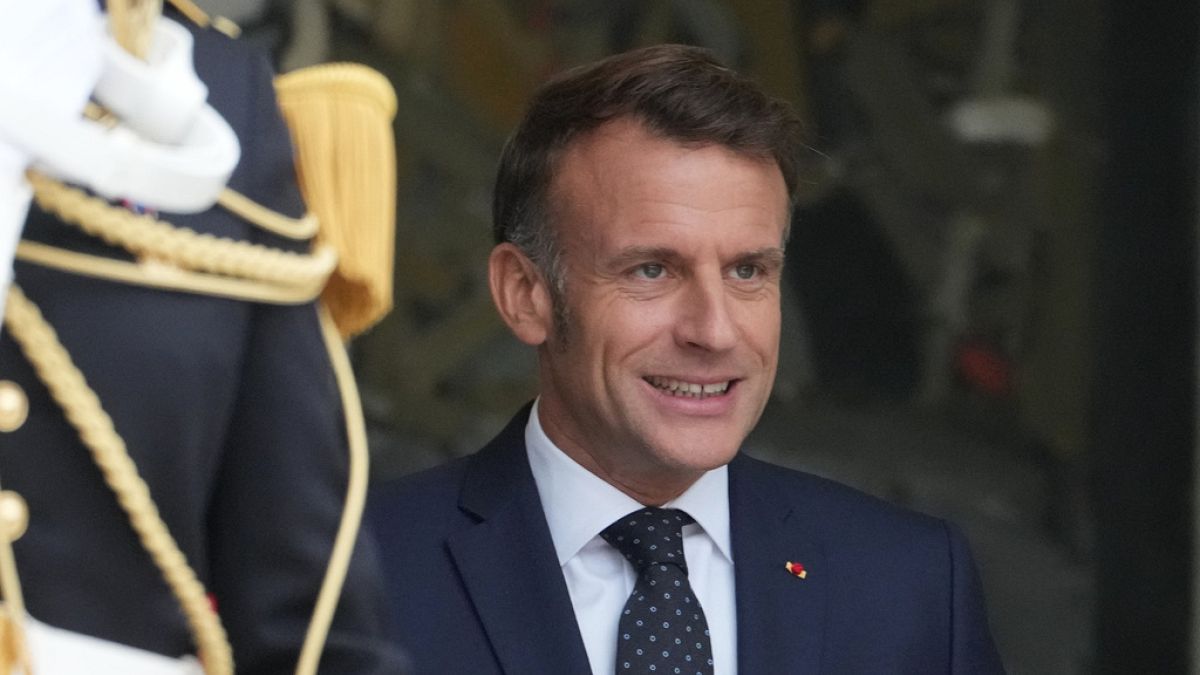
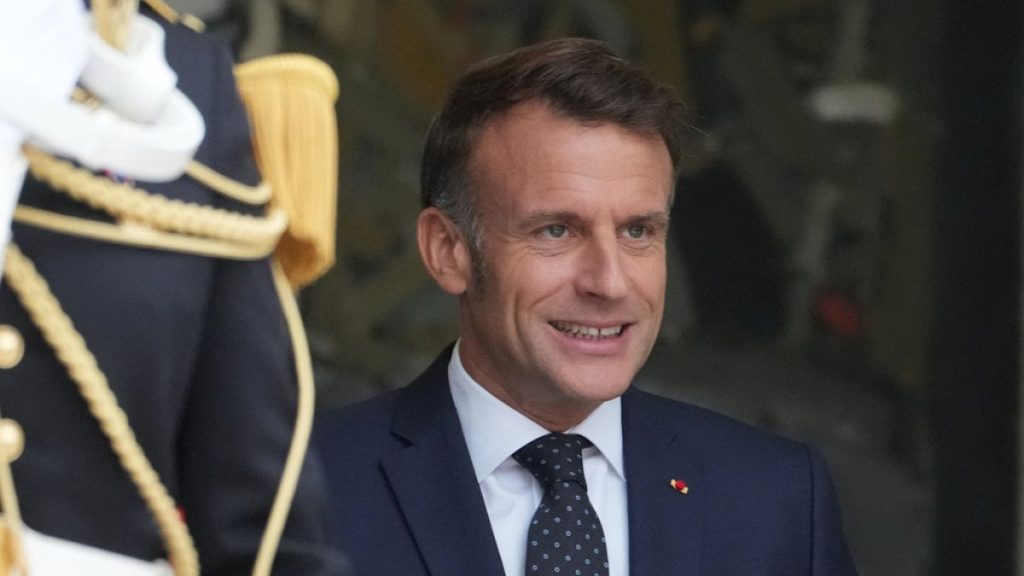
The announcement came after final consultations with representatives of France’s main political parties. Earlier, Macron held a meeting at the Élysée Palace with party leaders, excluding representatives from the far-left “France Insoumise” and the far-right “National Rally” parties. The Élysée stated before the meeting that it “should be a moment of collective responsibility.”
This move marks a pivotal moment in Macron’s term, which runs until 2027. The president faces increasing opposition in the French parliament, where no party holds a majority in the National Assembly, alongside pressures from within his own political camp, leaving him limited room to maneuver.
The crisis escalated earlier this week when Lecornu unexpectedly resigned on Monday, just hours after announcing his new government, leading to increased calls from the opposition demanding Macron’s resignation or early new elections.
The roots of the political crisis trace back to Macron’s sudden decision in June 2024 to dissolve the National Assembly, which led to early elections producing a divided parliament without any majority bloc.
After his return to the premiership, Lecornu is expected to face a tough task managing this fragmented political landscape and attempting to pass the 2026 budget, an urgent matter the government must submit before the October 13 deadline.
On Wednesday, Lecornu said he was not “seeking” to retake the position and that his “mission was over,” before announcing his surprising return as Prime Minister.

Recommended for you
Talib Al-Rifai Chronicles Kuwaiti Art Heritage in "Doukhi.. Tasaseem Al-Saba"
Exhibition City Completes About 80% of Preparations for the Damascus International Fair Launch
Al-Jaghbeer: The Industrial Sector Leads Economic Growth
Unified Admission Applications Start Tuesday with 640 Students to be Accepted in Medicine
Egypt Post: We Have Over 10 Million Customers in Savings Accounts and Offer Daily, Monthly, and Annual Returns
His Highness Sheikh Isa bin Salman bin Hamad Al Khalifa Receives the United States Ambassador to the Kingdom of Bahrain