









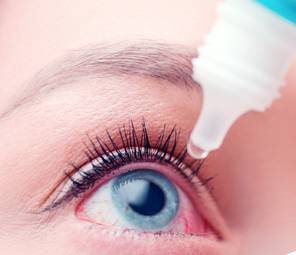
Dry eye is a common condition that occurs when the eyes do not produce enough tears to keep them properly lubricated, causing inflammation and scarring on the eye surface. Patients often feel heat and pain, and doctors usually recommend eye drops for lubrication.
The Ministry of Health warned against exposure to wind, dust, dry air, smoke, and prolonged screen time without blinking. Causes also include laser eye surgery (LASIK) and aging past 65. Women are more prone due to hormonal changes such as menopause. Diseases like diabetes, thyroid disorders, rheumatoid arthritis, and certain medications (decongestants, blood pressure meds, antidepressants) increase risk.
The Ministry advises avoiding hair dryers, staying away from warm rooms, protecting eyes with special glasses, and using ointments or drops before sleep, with medical consultation.
The World Health Organization estimates that dry eye affects 15% of the global population, reaching 50% among contact lens users, impacting about 300 million people worldwide. In the US, 10-20% of the population suffers from dry eye.
The American Academy of Ophthalmology notes an increase in dry eye among youth and elderly, urging doctors to find better treatments. Eye dryness expert Dr. Anat Galor emphasizes the need for more efforts to combat the condition.
Optometrist Mohammed Al-Harbi cited a Saudi study showing 3 out of 10 people suffer from dry eyes, with prevalence up to 75% due to hot, dry climate and exposure to irritants and air conditioning. He recommends cleaning eyelids and lashes, warm compresses, and daily moisturizing drops.
Optometrist Dr. Hamdi Johar described symptoms as burning, pain, foreign body sensation, redness, blurry vision, and light sensitivity. The eye may produce excess tears as a reaction, but they do not provide sufficient lubrication. The tear film has three layers: oily, watery, and mucous, each vital for eye moisture.
Treatment includes wearing sunglasses, limiting screen time, avoiding smoking, sleeping early, using drops mimicking natural tears, and inserting punctal plugs to stimulate tear production. Dr. Johar denied any link between excessive crying and dry eyes, stating crying actually helps moisturize and clean the eyes.
Ophthalmologist Dr. Jaber Abdul Razzaq said 3 in 10 Saudis suffer from dry eyes due to insufficient tear quantity and stability, especially upon waking or exposure to wind and dry heat. He warned elderly, pregnant women, post-LASIK patients, and youth with acne to consult doctors promptly.
Dr. Youssef Saleh Ghous explained dry eye occurs from insufficient tear production or imbalance in tear composition, causing discomfort and burning. He noted children are also affected due to increased electronic device use and reduced blinking. Specialists recommend limiting device use and taking regular breaks.
He also advised adults to avoid direct exposure to air conditioning and dry air, follow the 20-20-20 rule (every 20 minutes, look 20 feet away for 20 seconds), stay hydrated, avoid prolonged contact lens wear and sleeping with lenses, and use specialized moisturizing drops.




Recommended for you
Talib Al-Rifai Chronicles Kuwaiti Art Heritage in "Doukhi.. Tasaseem Al-Saba"
Exhibition City Completes About 80% of Preparations for the Damascus International Fair Launch
Al-Jaghbeer: The Industrial Sector Leads Economic Growth
Unified Admission Applications Start Tuesday with 640 Students to be Accepted in Medicine
Egypt Post: We Have Over 10 Million Customers in Savings Accounts and Offer Daily, Monthly, and Annual Returns
His Highness Sheikh Isa bin Salman bin Hamad Al Khalifa Receives the United States Ambassador to the Kingdom of Bahrain