









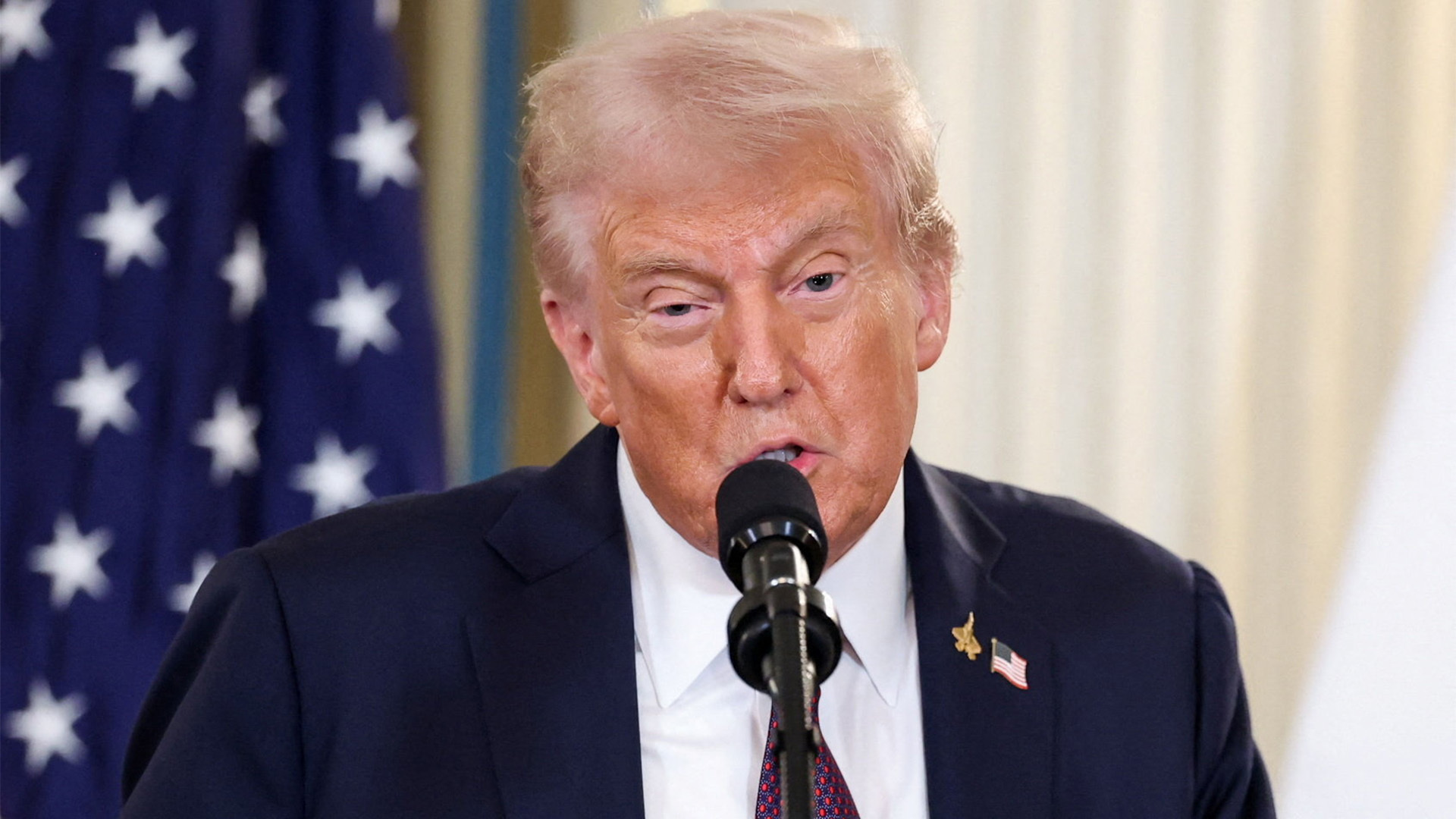
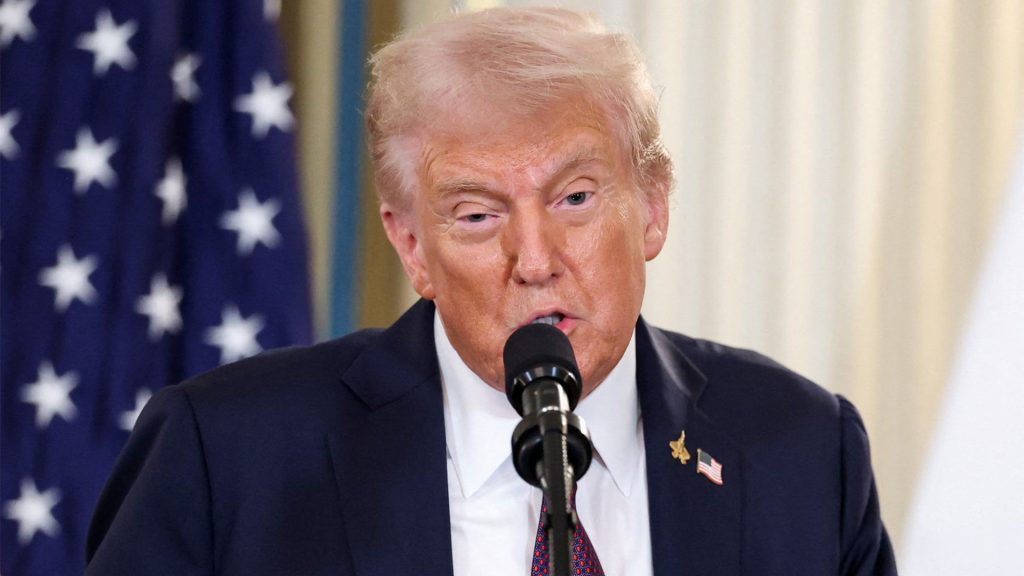
Global newspapers and websites have discussed US President Donald Trump’s plan to stop the war in the Gaza Strip, with some analyses describing it as fragile and fundamentally flawed, while others believe Israeli Prime Minister Benjamin Netanyahu is betting on Hamas rejecting it.
The French newspaper Le Monde described the plan as a fragile compromise that is non-binding for Israel, noting that the commitments imposed on Hamas are clear and strict, while timelines for Israeli military withdrawal from Gaza or the delivery of humanitarian aid are absent, making the situation prone to collapse at the first test.
Libération went further in its criticism, considering the plan a mere formal enticement, with several loopholes allowing Netanyahu to easily escape it, pointing out that everything depends on Hamas’s approval, which was not consulted in the first place, making Netanyahu bet on Hamas rejecting the plan he himself had to accept.
The Economist magazine saw the plan as containing elements from previous initiatives presented by former President Joe Biden and ceasefire agreements that the occupation did not adhere to.
However, it noted that Trump managed for the first time to push Netanyahu to publicly accept the principle of a peace plan and reject the idea of annexing Gaza, which it considered a limited breakthrough despite its fragility.
In Israel, Haaretz newspaper predicted that the plan could cause a political crisis for Netanyahu’s government, noting that any timeline to end the war could turn into a timeline for the coalition’s end, and that Netanyahu is surrounded by red lines difficult to cross, with US pressures potentially increasing divisions within his government.
The British Times linked the plan to the return of former British Prime Minister Tony Blair to the political scene, recalling his previous failure as envoy to the Quartet.
It pointed out that Blair worked for months on a Gaza reconstruction plan presented to Trump and gained his support, raising questions about its chances of success this time.
In a more optimistic reading, Thomas Friedman wrote in The New York Times that the plan represents a bold attempt to turn Gaza’s destruction into an opportunity for regional peace, but stressed that lack of trust makes its implementation nearly impossible without political courage and daily diplomatic effort.
Despite recognizing the difficulties, Friedman saw that success could lead to isolating Iran and attracting more Arab countries to the Abraham Accords, considering it possibly the last chance before sliding into a more dangerous conflict.
David Ignatius in The Washington Post considered the “New Gaza” plan unlike Trump’s previous exaggerations, relying on real commitments including a civilian management committee in Gaza and international forces participation to stabilize the area, quoting two Arab officials that countries like Italy, Indonesia, and Azerbaijan have expressed readiness to send troops.
In the US context, a New York Times poll showed a notable shift in American voters’ stance on the war, with most respondents opposing additional aid to Israel, while 60% supported ending military operations even without releasing all hostages or dismantling Hamas.


Recommended for you
Talib Al-Rifai Chronicles Kuwaiti Art Heritage in "Doukhi.. Tasaseem Al-Saba"
Exhibition City Completes About 80% of Preparations for the Damascus International Fair Launch
Al-Jaghbeer: The Industrial Sector Leads Economic Growth
Unified Admission Applications Start Tuesday with 640 Students to be Accepted in Medicine
Egypt Post: We Have Over 10 Million Customers in Savings Accounts and Offer Daily, Monthly, and Annual Returns
His Highness Sheikh Isa bin Salman bin Hamad Al Khalifa Receives the United States Ambassador to the Kingdom of Bahrain