








Analysts question whether the huge diplomatic momentum can break Israeli stubbornness and whether Washington will succeed in imposing a settlement on both sides, especially as Sharm El-Sheikh talks enter their third day with Friday set as the final deadline for negotiations.
The talks saw the participation of delegations from the Islamic Jihad Movement and the Popular Front for the Liberation of Palestine alongside Hamas. Meanwhile, US President Donald Trump’s envoys, Steve Witkoff and Jared Kushner, arrived along with the heads of Egyptian and Turkish intelligence and the Qatari Prime Minister and Foreign Minister Sheikh Mohammed bin Abdulrahman Al Thani, marking the largest diplomatic gathering to end the war.
A senior Palestinian source revealed that Hamas agreed to release all occupation prisoners and postpone the return of bodies until suitable conditions are met.
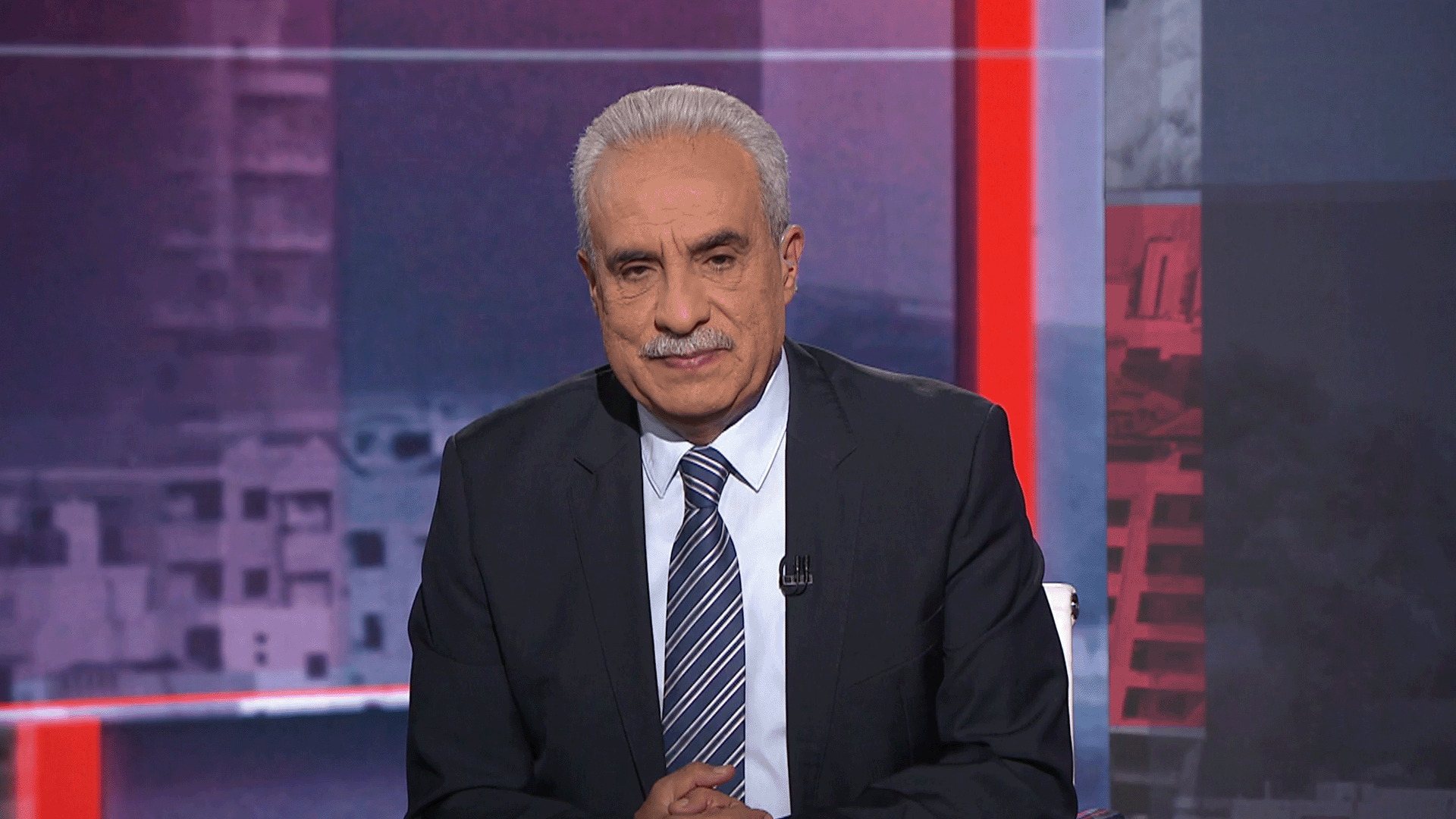
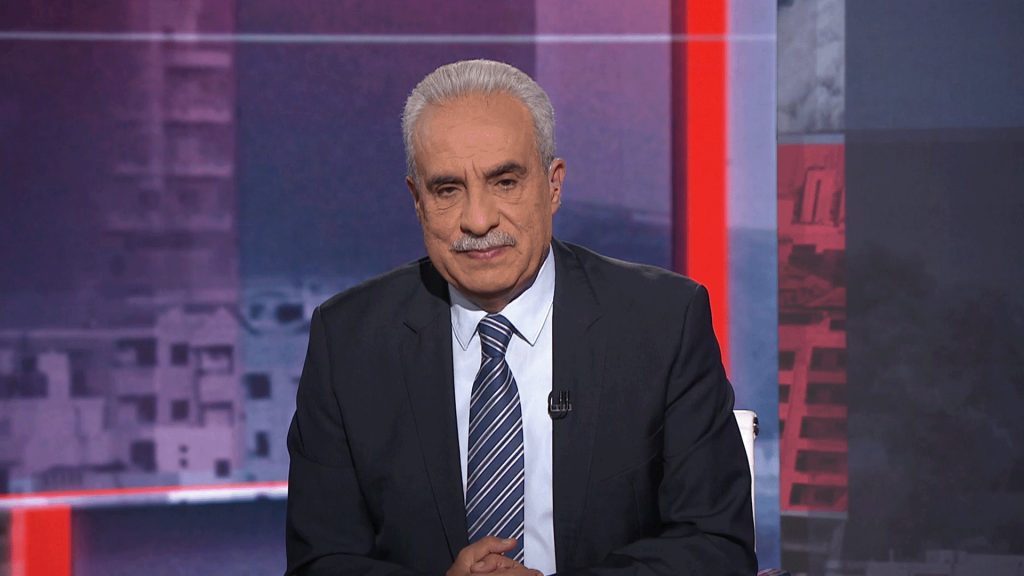
Dr. Ibrahim Farihat, professor of international conflicts at the Doha Institute, said the US delegation was instructed not to leave Cairo without an agreement but warned that the US position seeks an agreement concerning prisoners only without real pressure on Israel afterward.
Meanwhile, Israeli affairs expert Dr. Muhannad Mustafa confirmed that Benjamin Netanyahu, wanted by the International Criminal Court, seeks to influence the agreement to ensure the equation of “ceasefire with the continuation of occupation,” and that Israel maintains a suspicious silence.
Political analyst Ahmed Al-Tanani ruled out Palestinians accepting the occupation’s continuation after two years of resilience during the Gaza war, warning that Trump’s plan includes Israeli control over 60% of the Gaza Strip, meaning the continued suffering of two million displaced people.


Recommended for you
Talib Al-Rifai Chronicles Kuwaiti Art Heritage in "Doukhi.. Tasaseem Al-Saba"
Exhibition City Completes About 80% of Preparations for the Damascus International Fair Launch
Unified Admission Applications Start Tuesday with 640 Students to be Accepted in Medicine
Al-Jaghbeer: The Industrial Sector Leads Economic Growth
Egypt Post: We Have Over 10 Million Customers in Savings Accounts and Offer Daily, Monthly, and Annual Returns
His Highness Sheikh Isa bin Salman bin Hamad Al Khalifa Receives the United States Ambassador to the Kingdom of Bahrain