






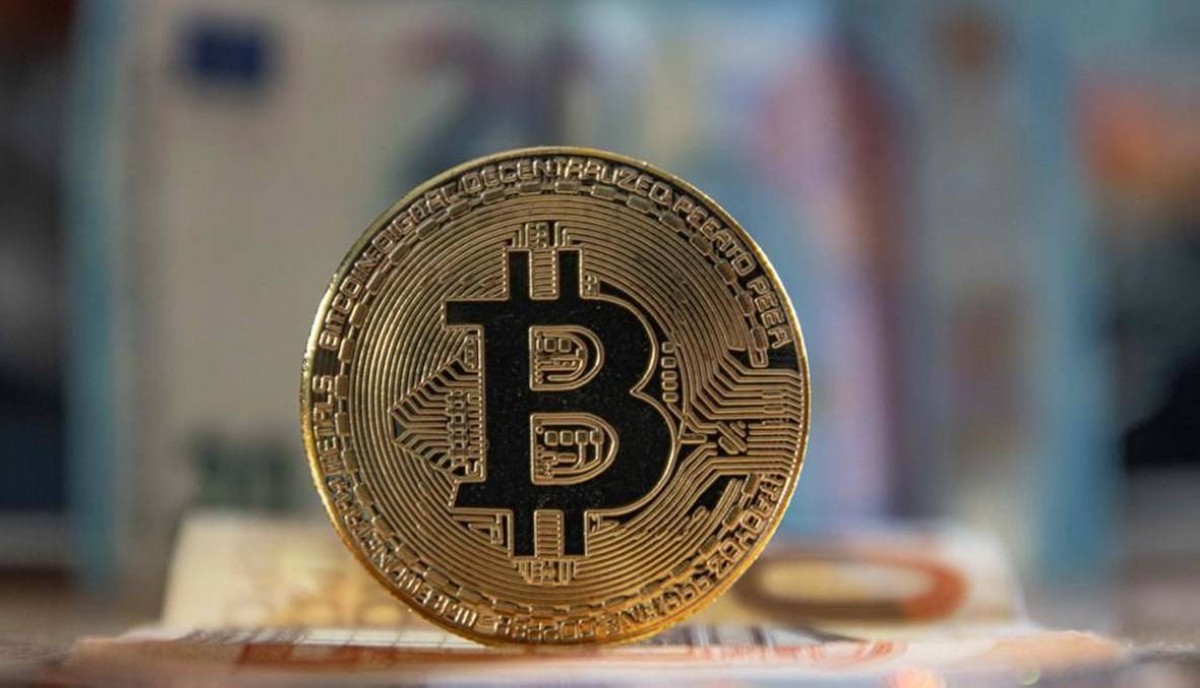
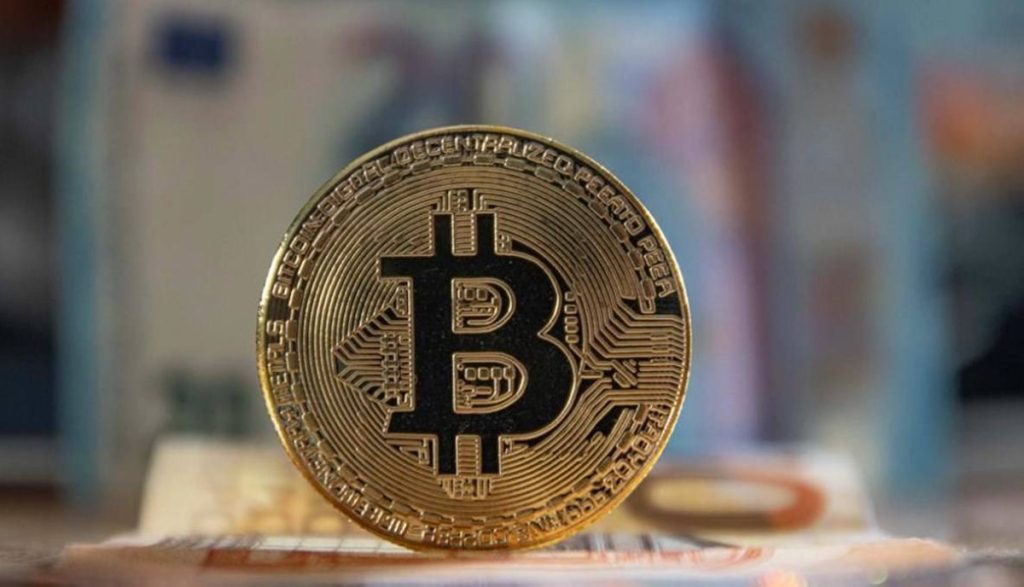
The United Arab Emirates has rapidly risen to become a global hub for cryptocurrencies, leveraging its geostrategic location, regulatory flexibility, and advanced political frameworks to attract both institutional and individual investors.
In 2025, Dubai cemented its position as a leader in digital asset adoption, with its dual regulatory system, tax incentives, and prominent events like the TOKEN2049 conference enhancing the UAE’s role as a bridge between traditional finance and Web3 innovations.
Dubai outperforms traditional centers such as Singapore and the United Kingdom in terms of tax incentives and regulatory flexibility.
While Singapore offers an advanced framework through the Monetary Authority of Singapore (MAS), it lacks the comprehensive tax exemption environment that distinguishes Dubai. The UK, despite a strong innovation environment under the Financial Conduct Authority (FCA), faces reduced attractiveness due to strict regulatory requirements after 2026.
Regulatory Framework
Dubai’s regulatory framework is the cornerstone of its success in the crypto sector; the Virtual Assets Regulatory Authority (VARA) and the Dubai Financial Services Authority (DFSA) at the Dubai International Financial Centre work together to license virtual asset service providers and foster innovation through regulatory sandboxes.
At the federal level, the Securities and Commodities Authority and the Central Bank of the UAE ensure sector compliance with anti-money laundering standards and financial stability.
Innovation and Compliance
For example, VARA launched pilot programs in digital tokens, while the Dubai International Financial Centre in 2025 introduced a dedicated sandbox for tokenized institutional assets, creating a dual-layer system combining innovation and standards compliance.
Tax incentives further boost Dubai’s appeal, with most virtual asset transactions exempted from VAT in 2024, alongside full income tax exemptions for individuals and companies in free zones such as the Dubai Multi Commodities Centre (DMCC) and Ras Al Khaimah Digital Assets Oasis (RAK DAO).
Thanks to its location at the crossroads of Europe, Asia, and Africa, the UAE has naturally become a center for global cryptocurrency flows.
The TOKEN2049 Dubai 2025 conference attracted over 15,000 participants from more than 160 countries, highlighting infrastructure solutions such as layer-two technologies and decentralized physical infrastructure networks (DePIN), with a focus on stablecoins as a key pillar for cross-border payments and decentralized finance integration.
Digital Payments
A highlight of the conference was MGX Fund’s nearly $2 billion investment in the Binance platform using the stablecoin USD1, reflecting major institutions’ confidence in the UAE’s digital asset ecosystem.
Institutional adoption of cryptocurrencies is accelerating, with the UAE ranking among the highest globally in individual crypto ownership at 30.4%, approximately 3 million users by 2025.
This is driven by practical uses including Gulf Craft accepting luxury yacht payments in USDT and USDC, and Emirates Airlines adopting crypto-paid tickets. The UAE attracts record investments in Web3 infrastructure, with startups raising $7.7 billion across 603 deals in Q1 2025, including $2.5 billion for infrastructure projects.
Notable examples include Chorus One via the TON Pool project, and Phantom which raised $150 million to develop blockchain wallets.
MGX Fund injects between $8 to $10 billion annually into AI and Web3 projects, as part of a national strategy targeting $100 billion in AI investments.



Recommended for you
Talib Al-Rifai Chronicles Kuwaiti Art Heritage in "Doukhi.. Tasaseem Al-Saba"
Exhibition City Completes About 80% of Preparations for the Damascus International Fair Launch
Al-Jaghbeer: The Industrial Sector Leads Economic Growth
Unified Admission Applications Start Tuesday with 640 Students to be Accepted in Medicine
Egypt Post: We Have Over 10 Million Customers in Savings Accounts and Offer Daily, Monthly, and Annual Returns
His Highness Sheikh Isa bin Salman bin Hamad Al Khalifa Receives the United States Ambassador to the Kingdom of Bahrain