






Those who believed that the blow Hezbollah received in the recent war was decisive or nearly decisive, forcing it to reconsider its policies and abandon militarization and conflict with Israel, were mistaken, overlooking the party’s founding doctrine and its vision of the state and entity.
When Hezbollah decided to enter the Gaza support war, it had no other choice and, according to its perception of the conflict and its political and ideological reference, it was not obligated to inform or seek permission from the state. The issue, in its view, is bigger than entities and borders it fundamentally does not recognize. Hesitation would have meant the collapse of the entire narrative it built over decades, boasting about its missile power and surprises it holds for the next war, promising the liberation of Palestine and seeing prayer in Jerusalem as near.
What happened over the past two years has placed the party, along with all of Lebanon, before challenges that put the country’s fate at risk if the current political tensions continue to exacerbate the sharp political and popular division.
Although Hezbollah suffered a painful blow during the war, it refuses to consider it a defeat as its opponents inside Lebanon and abroad claim. In its literature and discourse, it continues the same narrative of victory, even though its base implicitly acknowledges the severity of the loss. The reality is that its leadership has no other choice but to rally support and promise future victories.
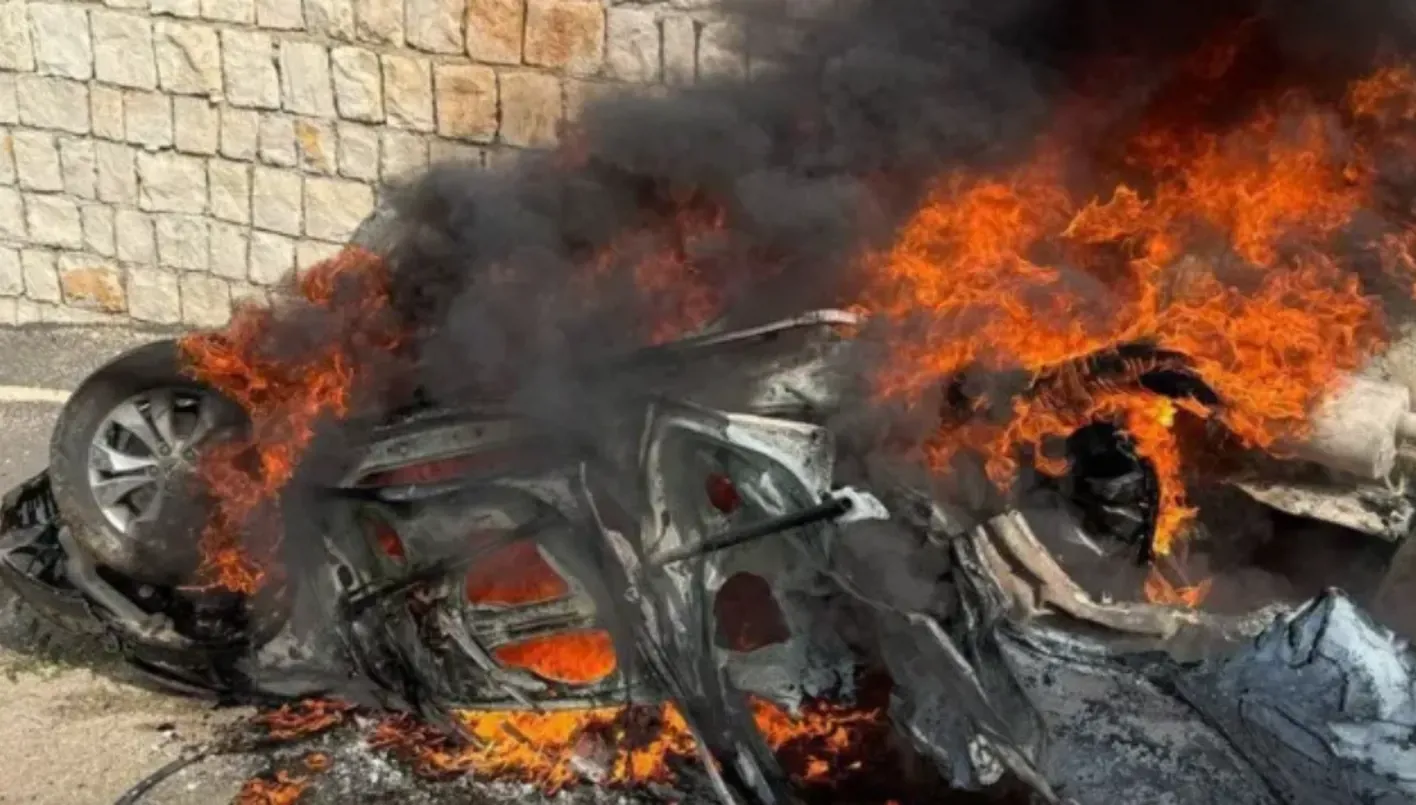
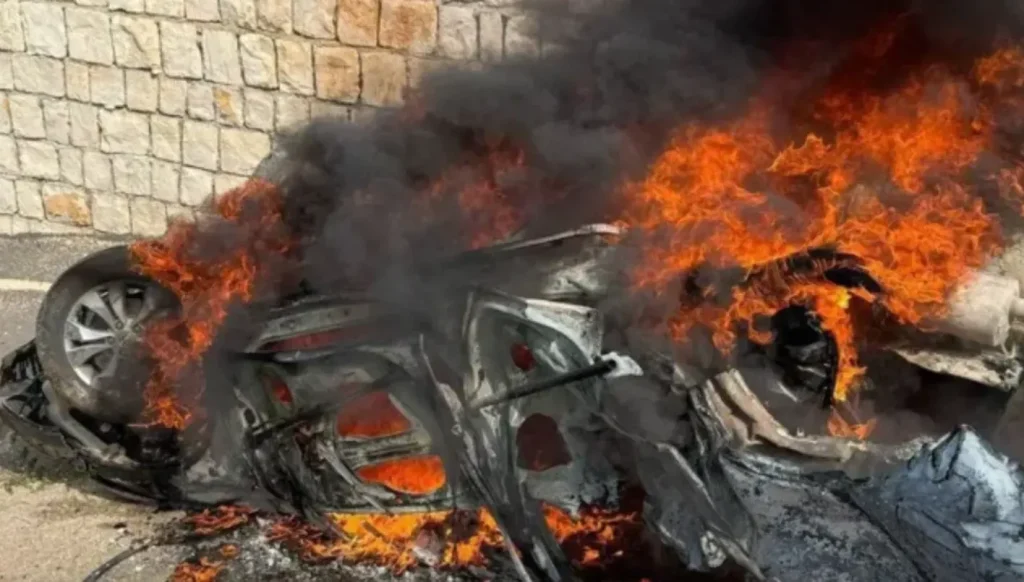
The party convinced its base over the past year that it won, evidenced by Israel’s inability to penetrate more than a few kilometers into the border strip and that its weapons prevented this. It claims to be targeted internally and externally, with the entire environment under threat, and that only its weapons protect it and its community against ongoing Israeli aggression (and internal threats). Hezbollah continues to bleed as Israel wages a war of attrition targeting its positions and cadres, who are killed daily in their cars and on their motorcycles wherever they move. Hezbollah relies on the ceasefire agreement, which Israel neither protects nor respects, interpreting its terms as granting it the right to pursue any threat it perceives in Hezbollah’s movements.
Hezbollah is engaged in sharp political confrontations inside Lebanon after the political and financial isolation imposed by the United States and the West generally on its financial resources from expatriates, Iran, and wealthy Shiites worldwide. These confrontations freeze the entire country’s movement.
Daily Israeli attacks are not the only challenge Hezbollah faces; it stands helpless against them, constrained by the military situation and the unbalanced power equation even before being constrained by the ceasefire agreement.
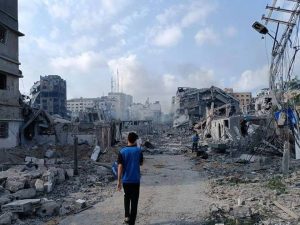
The party has managed to rally the Shiite community around its discourse and victimhood against what the majority considered an attack aimed at weakening its position in Lebanon’s political map and stripping its power cards. However, there is also discontent within a significant segment of the community about its conditions and the escalating militant rhetoric as if nothing happened. What is said at home differs from what is announced on screens and social media. Tens of destroyed border villages’ residents remain displaced without aid, attention to their conditions, or reconstruction promises. Iranian supply routes have been cut off, and the siege is suffocating. The generosity that followed the July 2006 war has become a mere memory.
Displaced people from the south, Bekaa, and southern suburbs represent a heavy burden on Hezbollah, a burden the state seems unprepared or unwilling to bear, claiming it did not declare war and that those who caused the problem should solve it. Moreover, the state is bankrupt and working on securing an austerity budget from citizens who are surprised by repeated increases in tariffs on poor public services and disguised taxes.
Hezbollah is engaged in a sharp political confrontation with its political opponents over political representation, legislative elections, and especially its weapons. The party holds the state responsible for liberating points still occupied by Israel and for reconstruction and demands it confront Israeli attacks. Meanwhile, its base conducts a defamation campaign against Prime Minister Nawaf Salam, other parties, and sometimes President Joseph Aoun. Simultaneously, Hezbollah faces similar campaigns from other sectarian environments, turning sectarian war into a daily escalating dispute.
The Israeli war on Hezbollah has not changed Lebanon’s internal equations, and Tel Aviv does not care much about changing these equations. It may even want them to worsen and internal tensions to rise on the basis of “pot breaking pot,” as long as the current situation guarantees it indefinite control over borders and airspace and frees its hands everywhere, especially after the Gaza war stopped, reinforcing the hypothesis circulating about Israel preparing for a new war on Hezbollah.

Recommended for you
Talib Al-Rifai Chronicles Kuwaiti Art Heritage in "Doukhi.. Tasaseem Al-Saba"
Exhibition City Completes About 80% of Preparations for the Damascus International Fair Launch
Unified Admission Applications Start Tuesday with 640 Students to be Accepted in Medicine
Al-Jaghbeer: The Industrial Sector Leads Economic Growth
Egypt Post: We Have Over 10 Million Customers in Savings Accounts and Offer Daily, Monthly, and Annual Returns
His Highness Sheikh Isa bin Salman bin Hamad Al Khalifa Receives the United States Ambassador to the Kingdom of Bahrain