









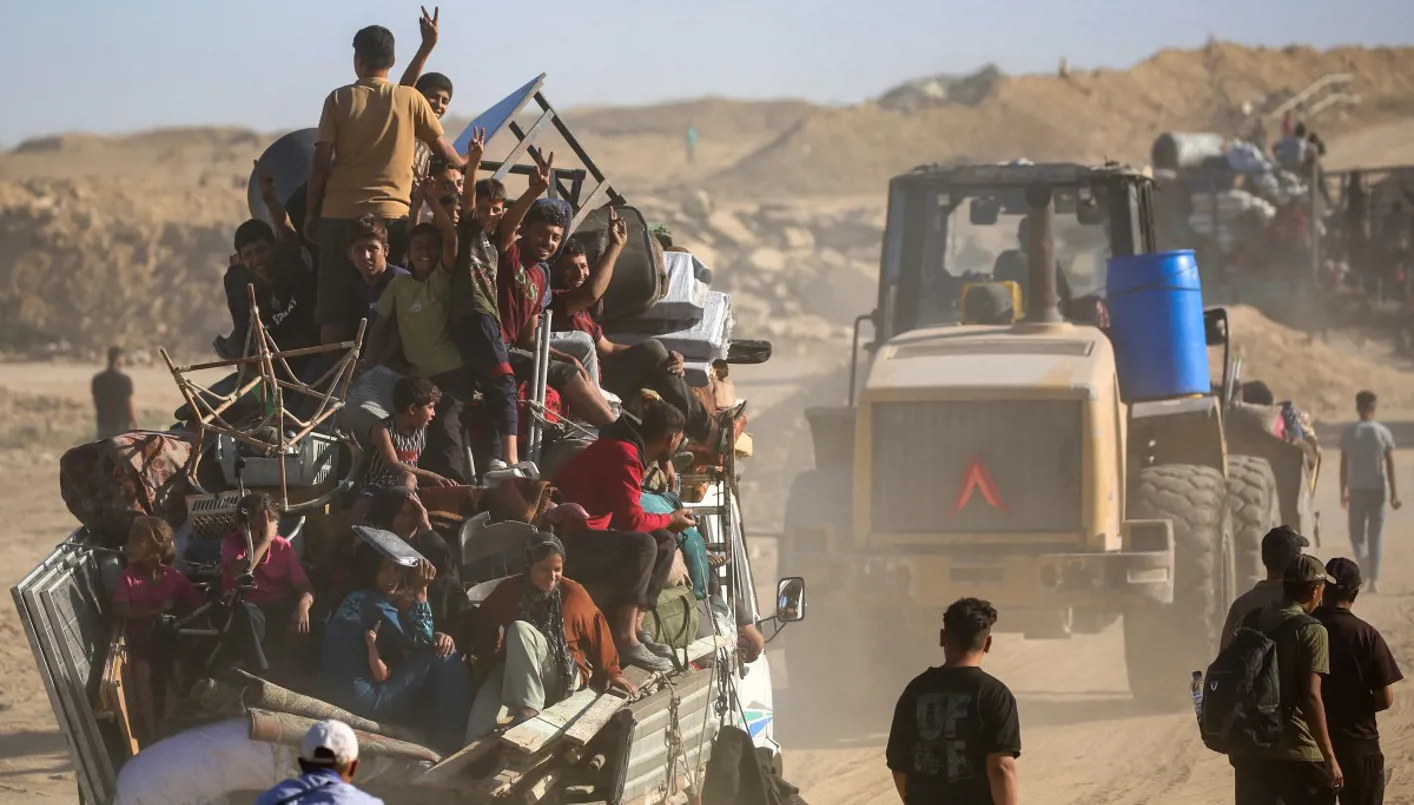
The recent developments in Gaza mark a pivotal stage in the region’s history, which has long been filled with painful events. It is time to acknowledge that U.S. President Donald Trump deserves recognition for his bold and decisive efforts to mediate peace in Gaza. This is the truth, even if pessimists scoff or skeptics are annoyed.
The past two years have seen countless initiatives to establish peace in Gaza, all of which have failed. Today, the U.S. President personally leads the current initiative as head of the newly formed Peace Council. This does not appear to be just another diplomatic initiative with a catchy name, but one with characteristics indicating it is a serious initiative with high stakes, capable of reversing the destruction suffered by the Gaza Strip and the Palestinian people if supported and sustained.
Is this plan perfect? On the contrary. Is it likely to fail? There is a high possibility due to many factors that could hinder it. In fact, the road ahead remains fraught with risks, especially with an extremist Israeli government quick to pull the trigger in power, alongside Hamas’s unsettling history. However, perfection is not a criterion for progress, and it would be madness to expect different results using the same mechanisms the United Nations relied on without success. I address you with these words hoping from the bottom of my heart that reality were different. Unfortunately, reality is like the Arabic proverb “Treat me with what caused the illness.”
In other words, it comes down to turning to America, especially since President Trump is known for making deals, Washington has the ability to influence Israel and enjoys its trust, and all other initiatives have failed so far.
I believe that having a plan, despite its flaws, is better than allowing killing to continue due to the absence of one. Not all parties can be satisfied, and failure is guaranteed if we try to do so.
Diverse reactions have emerged even within the same political camp and will continue to do so. In Israel, some see the initiative as a lifeline for Prime Minister Benjamin Netanyahu and an opportunity to retreat from a long-held position, while others believe it unfairly benefits Hamas after its refusal to surrender cost thousands of innocent lives and nearly total destruction of Gaza.
There is a bitter feeling on the Palestinian side for obvious reasons, as it seems these efforts were insufficient and came too late for many. After losing tens of thousands of lives, widespread famine, and Israel committing what a UN agency today described as genocide, the Palestinians’ wound has deepened and their trust weakened. Nevertheless, Hamas considers this step a victory and proof of its refusal to surrender, ignoring the severe human losses caused by its stubbornness.
These discussions are important, but they should not distract us from the fact that President Trump is not only making promises but is now fully committed to them as head of the peace initiative. This is truly important because it pressures all parties to fulfill their commitments, including Israel, and limits Netanyahu’s ability to evade accountability under the pretext of security concerns.
Arab and Islamic countries have supported this initiative, which serves their interests, and their support is necessary and wise from both moral and strategic perspectives. However, we cannot jump the gun and celebrate; the war is not over, suffering is not over, and we are far from achieving peace.
This initiative stems from sincere and serious intentions to establish peace, and considering it otherwise is unfair to the cause. We know it is still new and fragile, but it needs our full support, in word and deed. Therefore, humanitarian aid must flow smoothly, and food, shelter services, and medical supplies must reach those in need before the crisis worsens with the coming winter.
This is not the time for political boasting or imposing absolute ideological standards but a time to act based on reality, show compassion, and decisively resolve matters quickly.
If we want to ensure that Gaza incidents do not repeat, we must immediately initiate discussions on the two-state solution. I say immediately, not eventually. I say immediately, not “at the right time,” because this is the only logical and just way I see to avoid committing further atrocities in the future.
Perhaps the atrocities of October 7 and the genocide Israel has committed since then serve as a warning bell about the region’s inability to endure another round of revenge and casualties. The international community must exert pressure to establish a fair, feasible, and implementable solution to ensure the security of the Israeli people, protect the Palestinian people and their dignity, and recognize their state.
The plan laid out by Trump may not be perfect, but it is a first step toward peace in a region where first steps are rarely taken and hopes often fleeting. Therefore, this initiative deserves praise. The question remains: will Israel and Hamas squander this opportunity as they have many times before, or will they commit together to allow its implementation?
Let us hope they make their decision wisely for the sake of Gaza and the future of the entire region.



Recommended for you
Talib Al-Rifai Chronicles Kuwaiti Art Heritage in "Doukhi.. Tasaseem Al-Saba"
Al-Jaghbeer: The Industrial Sector Leads Economic Growth
Exhibition City Completes About 80% of Preparations for the Damascus International Fair Launch
Unified Admission Applications Start Tuesday with 640 Students to be Accepted in Medicine
Egypt Post: We Have Over 10 Million Customers in Savings Accounts and Offer Daily, Monthly, and Annual Returns
His Highness Sheikh Isa bin Salman bin Hamad Al Khalifa Receives the United States Ambassador to the Kingdom of Bahrain