









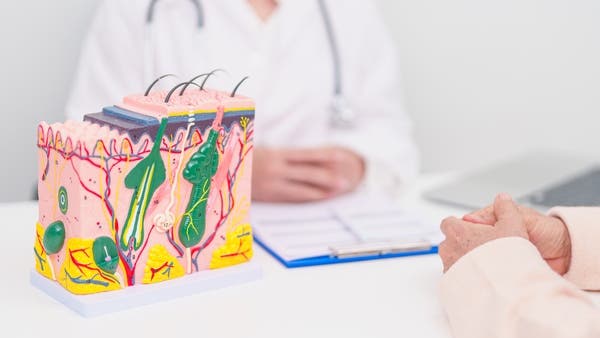
A common form of vitamin B3, sold over-the-counter, has emerged as an affordable ally in protecting against skin cancer, reducing the risk by an average of 14%, rising to 54% for anyone previously diagnosed with skin cancer.
A new study involving more than 33,000 patients supported earlier evidence from a 2015 Australian trial, according to New Atlas citing JAMA Dermatology.
In the study, researchers from Vanderbilt University Medical Center in the US conducted a large real-world analysis of US veterans, reviewing health records of 33,822 individuals and comparing those prescribed “niacinamide” at a dose of 500 mg twice daily for more than 30 days with matched patients who did not take it.
Effectiveness of Niacinamide
Overall, niacinamide—also known as nicotinamide, a form of vitamin B3 found in food and supplements that supports cellular energy, DNA repair, and skin health—was associated with a 14% reduction in skin cancer risk.
When people started taking niacinamide after a prior skin cancer diagnosis, the risk dropped by 54%. The effect was observed in both basal cell carcinoma and squamous cell carcinoma, with the greatest reduction in squamous cell cancers.
A Significant Shift
Dr. Lee Willis, a researcher and assistant professor of dermatology and medicine at Vanderbilt University Medical Center, said, “There are no guidelines on when to start niacinamide treatment for skin cancer prevention,” adding that the study’s results “will bring a paradigm shift in treatment practices, from starting it after patients have multiple skin cancers to starting earlier. However, there is still a need to improve identifying beneficiaries, as only about half of patients develop multiple skin cancers.”
Sun Exposure
Basal cell carcinoma, which usually affects skin areas exposed to prolonged sunlight, develops slowly but may go unnoticed for some time and may require surgery.
In 2024, I underwent surgery to remove a 0.4 cm tumor, which required deep and wide excision and about 20 stitches, both subcutaneous and superficial.
Squamous cell carcinoma consists of malignant tumors on the skin’s surface layer. Along with melanoma, these form the three main types of malignant skin cancer.
DNA Repair
Niacinamide has been shown to help skin cells repair DNA damage caused by ultraviolet radiation and reduce some of the immunosuppressive effects of sunlight.
Although this is an observational study and cannot prove causality, it is the largest dataset so far on daily niacinamide use outside controlled clinical trials. The veteran group tends to be older and male (average age 77, mostly white men), and researchers warn that studies on a more diverse population are needed to see if these results can be replicated more broadly.
Practical and Affordable Approach
While researchers emphasize this is not a substitute for covering exposed skin and applying sunscreen, for people who have had their first basal or squamous cell carcinoma removed, a daily niacinamide regimen stands out as a practical and affordable way to reduce recurrence risk. This study provides doctors and patients with more real-world data to assess the benefits of these supplements.
Promising Effectiveness
Dr. Youssef Mohamed, a senior researcher at the University of Queensland, said, “Niacinamide shows promising effectiveness as a practical tool for skin cancer prevention, highlighting the importance of timing; starting early may be key to stronger protection.”
He added, “Overall, these findings reinforce what many dermatologists have long suspected—that niacinamide is an underutilized, low-risk treatment that can make a difference in reducing the burden of skin cancer, especially for patients with an early history of the disease.”
For doctors, niacinamide’s appeal lies in its easy availability, safety, and tolerability. Niacinamide is inexpensive, sold over-the-counter, and free of major side effects.


Recommended for you
Al-Jaghbeer: The Industrial Sector Leads Economic Growth
Alternative to UNIFIL Forces
Egypt Post: We Have Over 10 Million Customers in Savings Accounts and Offer Daily, Monthly, and Annual Returns
Talib Al-Rifai Chronicles Kuwaiti Art Heritage in "Doukhi.. Tasaseem Al-Saba"
Exhibition City Completes About 80% of Preparations for the Damascus International Fair Launch
Trump Advisor: Disarming Hamas is Central.. Palestinian Authority to Take Over Gaza After Required Reforms