









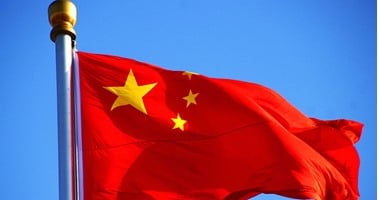
European concerns are rising over China’s dominance in metal markets, as the European Union considers imposing heavy tariffs on steel imports from Beijing in an effort to protect European industry from unfair trade practices and ensure local factories remain competitive amid a fierce global race for key materials in heavy industries and green transition.
The European Commission is reportedly examining high customs duties on steel imports from China following increasing complaints from European companies about Chinese dumping in the markets, where products are sold at prices far below their actual cost, leading to declining profits and closures of some European factories in recent years, according to the Spanish newspaper 20 Minutos.
Sources inside Brussels say the move is part of a new European strategy to counter unequal economic threats from China, which has become the main supplier of low-cost steel on the continent amid a sharp production increase exceeding 55% of global output. Commission data indicates that China’s steel exports to Europe have risen by 40% since 2022, raising concerns among governments and companies about the erosion of Europe’s market share.
The Spanish newspaper El Economista noted that the EU intends to adopt a carbon border pricing mechanism as one of the tools to impose tariffs on products from countries that do not comply with European environmental emission standards, including iron and steel, in an attempt to protect industries bearing extra costs to reduce emissions within Europe.
Brussels faces increasing pressure from member states, especially France, Germany, and Italy, which view Chinese dumping as a threat to hundreds of thousands of jobs in the industrial sector and undermining European efforts to achieve economic independence in strategic materials.
European Trade Commissioner Valdis Dombrovskis stated that the EU will not stand idly by against practices that undermine fair competition, emphasizing that Europe seeks open trade but based on level playing field rules.
In response, China warned that any additional tariffs would be considered trade discrimination and met with countermeasures, noting that its exports meet global demand and contribute to market stability. Beijing urged Brussels to resolve disputes through dialogue and cooperation rather than trade barriers.
Economic analysts believe this step could open a new chapter in the global trade war, affirming that Europe is trying to balance protecting its local industry while maintaining economic relations with the world’s second-largest economy. Experts indicate that imposing tariffs will affect construction costs, the automotive industry, and renewable energy, potentially impacting final consumer prices in the continent.
With increasing economic tensions between the West and China, steel appears to have become a new battleground between the two trading powers, as Europe seeks to demonstrate its ability to defend its industry without sacrificing free trade principles or its strategic interests.


Recommended for you
Talib Al-Rifai Chronicles Kuwaiti Art Heritage in "Doukhi.. Tasaseem Al-Saba"
Exhibition City Completes About 80% of Preparations for the Damascus International Fair Launch
Unified Admission Applications Start Tuesday with 640 Students to be Accepted in Medicine
Al-Jaghbeer: The Industrial Sector Leads Economic Growth
Egypt Post: We Have Over 10 Million Customers in Savings Accounts and Offer Daily, Monthly, and Annual Returns
His Highness Sheikh Isa bin Salman bin Hamad Al Khalifa Receives the United States Ambassador to the Kingdom of Bahrain