








As the war in Gaza approaches its second year, US President Donald Trump proposed a peace initiative he called a historic opportunity, but the decisive factor for the plan’s success remains Hamas’s stance, which Trump has given only a few days to respond.
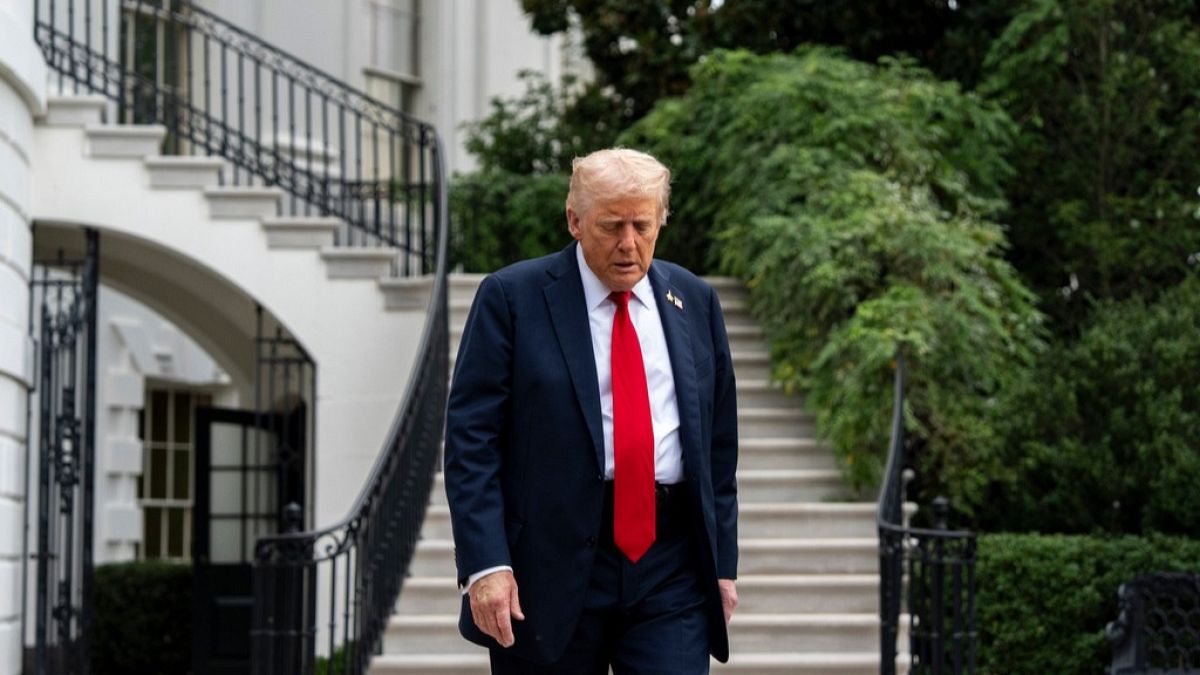
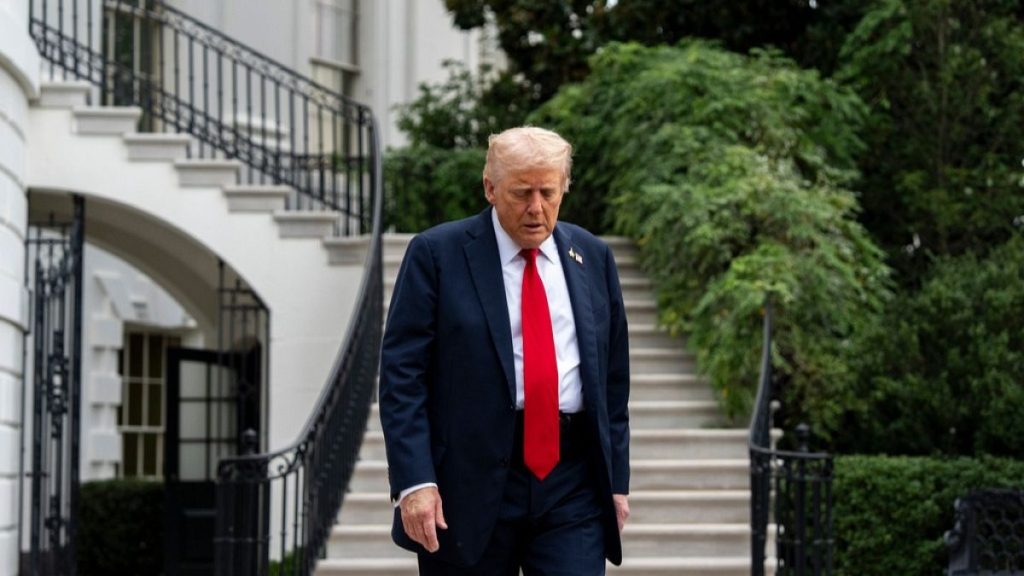
On Tuesday, while leaving the White House, Trump said Israeli and Arab leaders had agreed to the plan, adding: “We are only waiting for Hamas.”
He explained that Hamas has “three or four days” to respond to the proposal he presented with Benjamin Netanyahu on Monday in Washington. Trump affirmed that Israel “will do what is necessary” and will have his full support to end the Hamas threat if the group rejects the deal.
Meanwhile, sources inside Hamas confirmed the armed group will take time to study Trump’s proposal and consult allies before announcing its position, according to the Associated Press.
The 20-point plan calls for an immediate ceasefire, with Hamas releasing all hostages, alive or dead, within 72 hours. Israeli estimates indicate 48 hostages remain captive, including 20 believed to be alive.
In return, Israel will release 250 prisoners serving life sentences and 1,700 detainees from Gaza, including women and children, in addition to handing over the bodies of 15 Palestinians for each hostage’s body.
The plan also provides for a gradual withdrawal of Israeli forces after disarming Hamas and deploying an international security force.
Under the proposal, Hamas will be barred from any political or military role, its military structure will be dismantled entirely, amnesty will be granted to those who pledge to give up arms, and those wishing to leave Gaza will be allowed to do so. An international security force will maintain order and train the Palestinian police.
Civically, Gaza will be governed by a temporary government of Palestinian technocrats under the supervision of a “Peace Council” chaired by Trump and former British Prime Minister Tony Blair, with broad powers over reconstruction. Neutral international bodies such as the United Nations and the Red Crescent will oversee humanitarian aid flow.
The plan states that the Palestinian Authority, after required reforms, will govern Gaza at the end of the transitional phase. It also hints at the possibility of opening a path toward establishing a Palestinian state if conditions are met.
However, Netanyahu, who approved the plan at the White House, firmly rejects this clause, consistent with his government’s hardline stance against any Palestinian state.
The plan has received support from foreign ministers of Pakistan, Indonesia, Egypt, Jordan, the UAE, Turkey, Saudi Arabia, and Qatar, provided it paves the way for a Palestinian state, unifies Gaza and the West Bank, and halts Israeli annexation of lands.
In a joint statement, the ministers confirmed their readiness to engage “positively” with the US and concerned parties to complete the agreement and ensure its implementation.


Recommended for you
Talib Al-Rifai Chronicles Kuwaiti Art Heritage in "Doukhi.. Tasaseem Al-Saba"
Exhibition City Completes About 80% of Preparations for the Damascus International Fair Launch
Al-Jaghbeer: The Industrial Sector Leads Economic Growth
Unified Admission Applications Start Tuesday with 640 Students to be Accepted in Medicine
Egypt Post: We Have Over 10 Million Customers in Savings Accounts and Offer Daily, Monthly, and Annual Returns
His Highness Sheikh Isa bin Salman bin Hamad Al Khalifa Receives the United States Ambassador to the Kingdom of Bahrain